Banks and telecom operators in India are jointly testing a silent authentication system to combat rising digital payment fraud.
The mechanism shifts verification from user-entered OTPs to network-level checks.
It aims to curb SIM cloning, eSIM swap frauds and reduce failed transactions.
Banks, Telcos Working On Silent Authentication System To Prevent Transaction Fraud Through Mobile
Increasing dependence on digital transactions has also led to an increase in digital fraud. To establish a secure mechanism to ensure fraud-proof payment transactions, banks and telecommunication companies are working together to develop a ‘silent authentication’ mechanism that will shift the authentication layer from SMS-based OTP entered by users to a network-level authentication process

Summary
Advertisement
Amid rising instances of digital transaction frauds, banks and telecommunication companies are working on developing a ‘silent authentication mechanism’ to curb fraud. It would do away with the need to verify transactions with a one-time password (OTP). Now, they will be replaced with a traditional SMS-based OTP authentication with a smoother process using silent authentication at the network level rather than at the user level. It is aimed at stopping practices of SIM cloning or unauthorised eSIM swaps, which fraudsters use for intercepting OTPs.
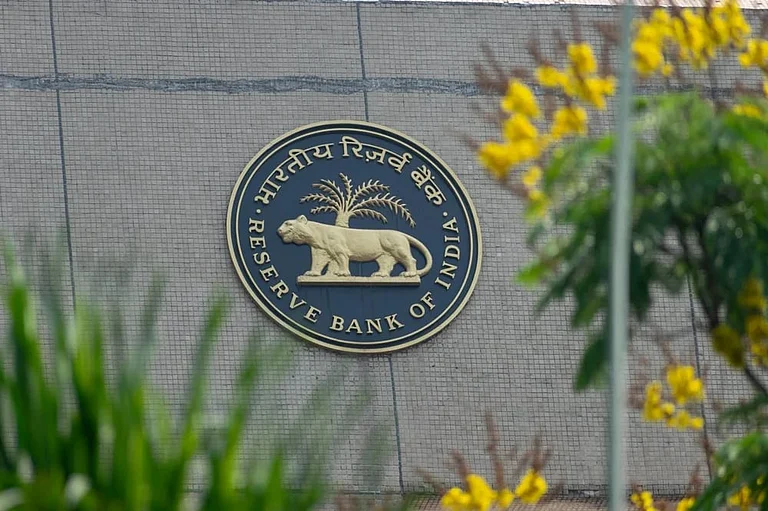
According to the two-factor authentication (2FA) rules of the Reserve Bank of India (RBI) applicable from April 1, 2026, two distinct factors will have to be used to verify digital transactions. On these lines, now stakeholders plan to bring security from the user level to the network level.
What Is Silent Authentication?
For the uninitiated, silent authentication is a sophisticated background check of the transaction initiation at the network level. Under this mechanism, it is checked whether the mobile number registered with a banking application matches the SIM card currently active on the device. So, instead of the user manually entering a code, the authentication happens at the network level, making the verification process invisible to both the user and the potential fraudsters.
Advertisement

How Does It Work?
When a transaction is initiated, the system will check the SIM by matching the SIM in the physical device with the number linked to the user’s bank application. In case of a mismatch, it will not allow the transaction to proceed without requiring any input or permission from the user.
So, by adding the authentication check at a higher level – from user-level to the network-level – the mechanism aims to ensure enhanced digital transaction security.

Benefits And Bank Collaborations
According to media reports, the process is under trial as of now. Once it is adopted full-fledged, it will benefit users. There would be fewer transaction failures due to delayed or missing SMS messages, along with enhanced protection from SIM cloning. Banks and other entities involved in the payment would also benefit due to reduced fraud, fewer failed transactions, and greater consumer trust.
Advertisement
Apparently, Axis Bank has been actively working on several pilot projects with telecom companies on this.
Show comments
Published At: