Leaseback ensures steady rental income
Investors shift focus to yield generation
Branded residences boost this investment trend
How Leaseback Models Are Turning Luxury Homes Into Rental Income Homebuyers
Luxury housing in India is changing from ownership to yield-driven investments. Here's why investors are moving towards leaseback models

Summary
Advertisement
The luxury housing segment in India is moving from the traditional ownership models to an investment model. Among these, leaseback arrangements have emerged as one of the most favoured for both developers and high net-worth investors (HNIs).
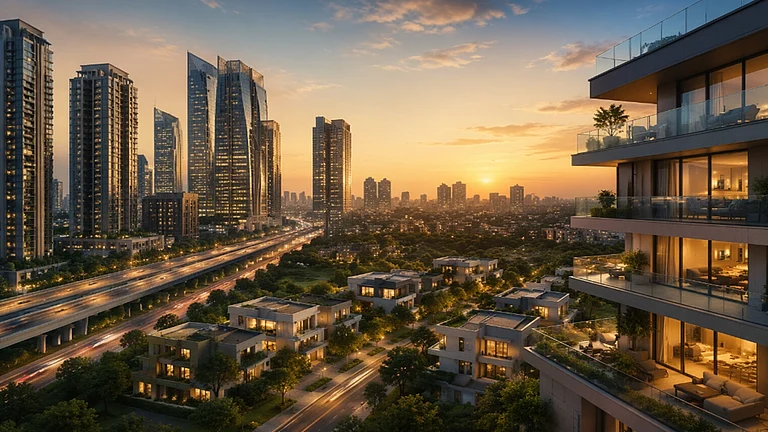
Real estate experts say this investing habit is a sign of a major evolution in the realty sector on a broader spectrum, where assets are no longer viewed as capital-making tools, but also as assets that generate predictable income. According to them, this shows how preferences among the buyers are changing. Previously, buying a house served as the sole purpose of stability and security, but that has now changed more towards investment with the passage of time.

“India’s luxury housing market is clearly evolving from pure ownership to a more yield-driven mindset, where buyers are as focused on how their asset performs as what it represents,” says Sandeep Ahuja, CEO, Atmosphere Living.
Advertisement
What is a LeaseBack Model
At the core of this investing method is the leaseback model, which allows buyers to purchase a high-end residential unit and lease it back to the developer, who gets to operate it for a fixed tenure. In return, the buyer receives assured rental income, which is backed by agreements to protect the buyer and their returns on the property. This transforms the luxury purchase into an asset that blends consumption with high returns.
Says Ahuja: “Leaseback models are becoming popular. They allow buyers to own a residence while it is professionally managed and leased, creating a predictable, hassle-free income stream while reducing the volatility typically associated with rental ownership.”
One of the primary reasons this form of buying has seen such traction is the changing investor mindset. The affluent buyer today is focused on yield rather than just being reliant on capital appreciation. They are making their investments work for them. Investors are seeking stable income streams after considering factors, such as volatility in traditional asset classes and moderate appreciation in this real estate segment. Leaseback models address the needs of the buyers.
Advertisement
“Such trends correlate directly with the emergence of branded and serviced residences in 2026,” says Ahuja.
One of the key reasons this model works for the buyers is the rise of hospitality-led residential projects. Branded residences are being integrated into the leaseback structures. In such cases, the property is managed like a hospitality asset. Buyers benefit from the hassle-free ownership and high-yield returns.
This system is not without challenges. Investors must evaluate the credibility of the lease contract and exit options after the lease tenure ends. It is equally important to check the developer's credibility and reputation. Unlike the traditional rental arrangements, where returns fluctuate with the supply and demand dynamics, leasebacks are sealed tight with a contract, making any amendments a critical job.
Adds Ahuja: “That said, the success of any such model ultimately depends on the credibility of the operator, as consistent occupancy, service quality, and sustained returns are all driven by the strength behind the asset.”
Advertisement
Show comments
Published At: