India's 10-year bond yield rose as high as 6.89 per cent on March 23
Bond yields recovered after US halted military attacks on Iran
India's 10-Year Bond Yield Rises To Highest In Over A Year: What Should Investors Do?
India's 10-year government bond yield rose to a 19 month high of 6.89 per cent on March 23, before recovering and settling at 6.84 per cent. Experts said that rising bond yields provide good entry for investors in the shorter end of the yield curve amid ongoing geopolitical conflicts

Summary
Advertisement
Indian bonds have been falling due to a combination of global and domestic factors. The 10-year government bond (G-sec) yield jumped to as high as 6.89 per cent on March 23, the highest level seen in over 19 months, amid the ongoing war in Iran, which has led to a sharp rally in crude oil prices. However, towards the end of the day, yields recovered slightly after the US postponed military strikes on Iran for the next five days.
The 10-year G-Sec settled around 6.84 per cent by the end of the session, up over 1 per cent from the previous close. Yields recovered slightly after US President Donald Trump posted on Truth Social that, after a productive conversation with Iran over the past two days, he decided to halt all military strikes on Iranian power plants and energy infrastructure for five days, subject to the success of the ongoing negotiations with the country.
Advertisement

“…BASED ON THE TENOR AND TONE OF THESE IN DEPTH, DETAILED, AND CONSTRUCTIVE CONVERSATIONS, WITCH WILL CONTINUE THROUGHOUT THE WEEK, I HAVE INSTRUCTED THE DEPARTMENT OF WAR TO POSTPONE ANY AND ALL MILITARY STRIKES AGAINST IRANIAN POWER PLANTS AND ENERGY INFRASTRUCTURE FOR A FIVE DAY PERIOD, SUBJECT TO THE SUCCESS OF THE ONGOING MEETINGS AND DISCUSSIONS,” Trump said in the social media post.
Investors will now wait for a conclusive and confirmed end to the Iran war for further cues in the market, experts said. With the sharp rally in crude oil prices and the rupee touching fresh lows, fears of imported inflation rattled bond markets. Additionally, the 10-year benchmark U.S. Treasury yield has also seen a sharp rise, jumping over 45 basis points over the past three weeks. While the development in the war negotiations was a positive sign, bond investors will look for a more decisive end to the war and to the disruptions in crude oil supply through the Strait of Hormuz, which controls nearly 20 per cent of the global oil supply.
Advertisement
Further, domestic reasons such as a higher government bond supply in the upcoming financial year beginning in April also led to tepid interest in bonds from institutional investors. Experts said that the 10-year bond yield would reach 6.90 per cent if there were no decisive de-escalation efforts in the war. However, most agreed that if the war ends and the Reserve Bank of India (RBI) continued to conduct bond purchases in the market through open market auctions, bond yields are expected to inch down and settle around 6.55-6.75 per cent by the end of the year.
Experts said that the shorter end of the yield curve was better suited for investments where capital losses due to the war were limited. A combination of high-quality bonds at a time when bond prices are falling could provide long-term investors a better entry to the market.
Advertisement
“The sweet spot on the yield curve right now appears to be the 2-year to 5-year segment, where investors can get a healthy balance of yield and lower duration risk compared to the longer end. High-quality corporate bonds and selected government-backed papers in this part of the curve look attractive. For investors worried about equity market volatility amid the current geopolitical backdrop, diversification matters more at this point, and fixed income opportunities offer it. Quality bonds should continue to remain an important part of a balanced portfolio in this environment,” Vineet Agrawal, co-founder of online bond platform Jiraaf, said.
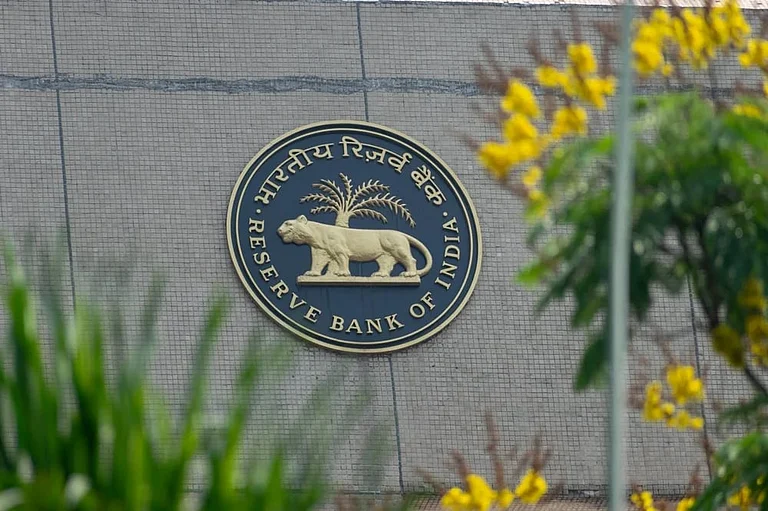
Investors will also await the decision of the RBI's monetary policy meeting on April 9 on interest rates. Last week, the US Federal Reserve maintained a status quo on interest rates, and investors widely expect the RBI to also follow suit. However, any commentary from the panel on inflation and geopolitical concerns spilling into the domestic economy will be awaited.
Advertisement
Show comments
Published At: