MMR leads residential sales and launches
Pune records strongest quarterly price growth
Digital reforms improve buyer confidence
MMR And Pune Lead Real Estate Momentum As Transparency Reforms Gain Ground
MMR and Pune are benefiting from real estate transparency reforms, with digital property registrations and improved documentation boosting buyer confidence, sales activity, and price appreciation

Summary
Advertisement
The Mumbai Metropolitan Region (MMR) and Pune have emerged as the key beneficiaries of India’s ongoing real estate reforms. From digital property registration systems and improved documentation processes, there’s a buyer confidence that keeps increasing and boosting market activity. According to the latest Q1 2026 residential market report by Proptiger, the latest reforms help in creating more transparent and efficient housing ecosystems, especially in the two largest residential markets harboured in the state.

Why Is This Surge Significant?
This momentum is driven by the implementation of the Registration Bill 2025 framework. This framework promoted Aadhaar-linked digital property registrations with centralised property records and better transaction processes. These measures are aimed at reducing ownership disputes, which improve the title clarity, and shortening registration timelines. This has made property transactions and registrations easier for buyers and sellers.
“The Mumbai residential market continues to demonstrate strong resilience, particularly in the premium and luxury segments, where buyer confidence remains robust. Homebuyers are increasingly prioritising quality, branded living experiences, thoughtful design, and long-term value creation while making purchase decisions. Today’s buyers are looking beyond just square footage; they seek integrated communities, lifestyle-led developments, sustainability features, and projects in well-connected micro-markets that offer both superior liveability and future appreciation potential,” states Rajat Khandelwal, group CEO, Tribeca Developers.
Advertisement
The report highlights Navi Mumbai in MMR as one of the earliest beneficiaries of the reforms made in the real estate sector. With improved documentation and digital registration mechanisms, the activity in the secondary housing market has helped in attracting end-users and investors. As the property records become easier to verify, the confidence in the market has improved significantly, which has led to faster deal closures.
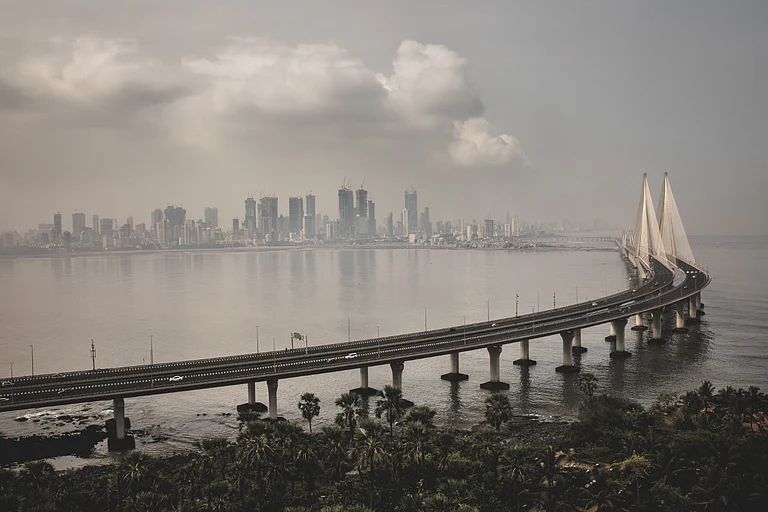
What Are The Sales?
MMR has continued to dominate India’s residential market in Q1 2026. The region has accounted for nearly 29 per cent of all new residential launches across the top residential markets in India. With 27,189 units launched during the first quarter of 2026. Residential sales have reached 26,116 units, which has maintained MMR’s position as the country’s largest market in terms of sales and pricing volume. Property prices have increased by 20 per cent on a year-on-year basis, reaching Rs 15,120 per square foot. This reflects a sustained demand despite the elevated pricing.
Advertisement
On the other hand, Pune continues to benefit from disciplined supply growth and strong end-user demand. The city recorded 15,778 new launches and 13.565 sales during the first quarter itself. The city also registered the highest quarterly price increase in India. On average, prices rose by 9 per cent, reaching Rs 7,957 per square foot, bringing Pune closer to the Rs 8,000 threshold.
“MMR’s 20 per cent appreciation and Pune’s 12 per cent growth reflect the strength of demand in markets backed by robust economic activity, infrastructure investments, and employment generation. Importantly, price growth is being supported by genuine end-user demand rather than speculation, indicating a healthy and sustainable market. With urbanisation, rising incomes, and continued infrastructure development, we expect residential real estate to remain on a steady growth trajectory over the medium term," adds Dr. Mohit Ramsinghani, president & business head, VTP Realty.
Beyond the regulations, these reforms help the buyers in understanding their rights and have a smoother homeowning experience. As digital registrations and centralised records become more common, MMR and Pune remain among the strongest performers in India.
Advertisement
Show comments
Published At: