Mid-segment housing drives Mumbai residential sales
Suburban markets witness sustained buyer demand
Buyers prioritise value, credibility and connectivity
Mumbai Residential Market Witnesses Strategic Shift In Buyer Behaviour
Mumbai’s housing market is witnessing a strategic shift as buyers prioritise value-driven mid-segment homes, suburban connectivity, and long-term asset appreciation over speculative luxury purchases

Summary
Advertisement
Indian real estate experienced several major turning points in 2025. Specifically in Mumbai, the real estate market had consolidated a massive expansion, which was supported by inventory diversification, revision of pricing and keeping up with buyer preferences. As per the Cushman & Wakefield Q4 2025 Marketbeat report, the city had recorded a launch of 15,771 residential units. This is a 2 per cent increase on a quarter-on-quarter basis, while being an 11 per cent decline on a year-on-year basis. This reflects the cautious stance of developers, noticing the rise in unsold inventory. Within this slowdown, three defining narratives of this occurrence emerged: good positioning of luxury launches, dominance of mid-segment residential sales, and continued rise of suburban markets in sales.

In the latest report by CREDAI-Liases Foras, the previous data support the growth sentiment in the region of Greater Mumbai. The data cited mentions a total recorded sales worth nearly Rs 1.33 lakh crore in the year 2025; these figures made this one of the country's largest luxury housing markets. The report also stated that the ultra premium segment of Rs 2 crore to Rs 5 crore segment has accounted for the highest residential sales in Mumbai, with 14,443 units being sold.
Advertisement
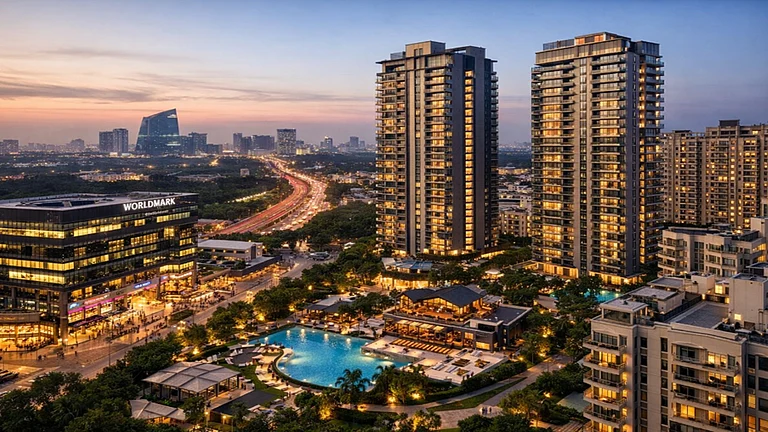
"The market has performed steadily over the first four months of 2026 as well, with healthy absorption levels and sustained demand across key residential micro-markets. Sales momentum has remained positive, particularly in redevelopment-led projects and developments by established developers. Despite selective price appreciation, demand has continued to be largely end-user driven, reflecting stable market fundamentals and long-term confidence in Mumbai’s residential sector," says Anuj Mehta, Director, Dhuleva Group.
The real estate segment made one thing clear: the demand for mid-segment housing is strong and has driven the market in terms of volume and absorption. This dominance stems from a good balance of demand and supply. From the buyer’s perspective, mid-segment homes align closely with Mumbai’s high-end user profile, led by salaried professionals and dual-income households. The increase in capital values in prime and luxury markets has pushed buyers to opt for suburban residential areas that also have connectivity and social amenities.
Advertisement
From the developers' perspective, exploring the mid-segment market and expanding their inventory favoured them heavily. Unlike luxury projects, which require long periods of time to sell out completely and have deeper capital commitments, mid-segment projects have a predictable demand and a faster cash flow. This became a prominent development, and the developers took this as an opportunity and expanded inventory and had a positive response as compared to the luxury segment.
However, buyer behaviour is still cautious despite being heavily active. Buyers are looking for long-term value as well as seeking round-the-clock amenities that support their standards of living. "Buyer behaviour this quarter has remained relatively consistent, although purchasing decisions have become more research-driven and value-focused. There is a continued preference for reputed developers, larger configurations, integrated amenities, and projects located along key infrastructure corridors. Buyers are also prioritising long-term asset appreciation, timely delivery, and brand credibility, particularly within the premium and mid-income segments," adds Mehta.
Advertisement
Show comments
Published At: