Mid-segment housing drives Mumbai residential sales
Suburban markets witness sustained buyer demand
Buyers prioritise value, credibility and connectivity
Mumbai’s Ageing Housing Stock Fuels Strong Redevelopment Growth In 2026
Mumbai’s redevelopment boom is accelerating as ageing buildings, land scarcity, and rising housing demand push developers and housing societies toward large-scale urban renewal projects

Summary
Advertisement
Mumbai’s ageing developments are now undergoing a major transformation as redevelopment activity takes priority across the city. This momentum gathered in 2025 and is still strong in 2026. Rising land scarcity, growing demand for modern housing, and supportive policy measures have changed how the infrastructure is viewed in the population-dense city.

As per a report by Hindustan Times, data released by Knight Frank states that Mumbai’s old building redevelopment has marked a 16 per cent growth in 2025. Developers are now focusing strongly on redevelopment projects, as acquiring fresh land parcels within the city is difficult and has become extremely expensive. Redevelopment offers builders the opportunity to unlock prime locations while providing residents with upgraded homes and better amenities.
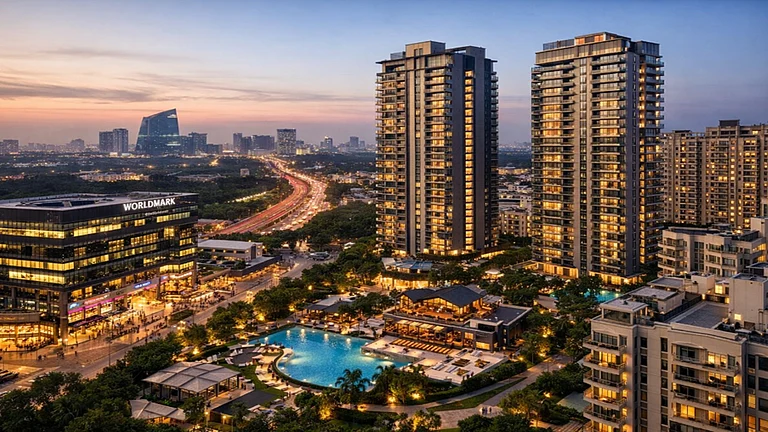
Many prominent areas in Mumbai are dominated by ageing residential housing that was built several decades ago. Many of these buildings are weak in structure, lack modern-day amenities, and require urgent repairs. Some of them are even under scrutiny from departments due to their safety concerns. However, instead of quick fixes and repeated maintenance works, societies are choosing redevelopment as their long-term solution.
Advertisement
It is cited that developers are focusing on areas like Andheri, Bandra, Borivali, Ghatkopar, Mulun and other parts of South Mumbai to initiate the major redevelopment hubs. Developers are also picking up projects in the micro-markets because of the connectivity and consistent housing demand. Redevelopment projects in these locations allow developers to create a premium residential unit that attracts a higher selling price.
Why Is Redevelopment Prominent In The State?
One of the key drivers behind this growth is Mumbai’s limited resources, especially when it comes to land availability. With land prices touching their record highs, redevelopment is the practical plan of action for developers and homeowners. Developers are now partnering directly with the housing societies for redevelopment. They equip the old constructions with newer ones while adding amenities such as parking spaces, modern amenities in terms of water, electricity and community centres.
The demand side has also reinforced this trend; homebuyers in Mumbai are increasingly preferring the newer constructions that support their aspirational living standards. This also brings cost relief to the developer as they don’t have to spend as much as they would in a project building from scratch.
Advertisement
However, the challenges persist. Development projects involve a series of negotiations with the society residents, temporary rehabilitation arrangements, approvals from the regulatory body, and financing complexities. These delays and internal conflicts in the housing society boards lead to delays in execution.
Redevelopment is turning out to be one of the most critical pillars of Mumbai’s growth strategy. The sector is reshaping how residential real estate growth is viewed in the city.
Show comments
Published At: