EAC-PM recommends reviewing women cash transfers to match inflation.
Study finds higher savings and household spending among beneficiaries.
More than 15 states run women cash transfer programmes.
EAC-PM Calls For Periodic Review Of Women-Centric Cash Transfer Schemes
EAC-PM has suggested that the transfer amounts to women under the financial aid schemes should be adjusted to match inflation. A case study of two states - Maharashtra and Odisha - showed higher savings and household spending patterns

Summary
Advertisement
The Economic Advisory Council to the Prime Minister (EAC-PM) has recommended that unconditional cash transfer (UCT) schemes for women be reviewed periodically in order to ensure that the financial support remains adequate amid rising prices and changing household expenditure patterns.
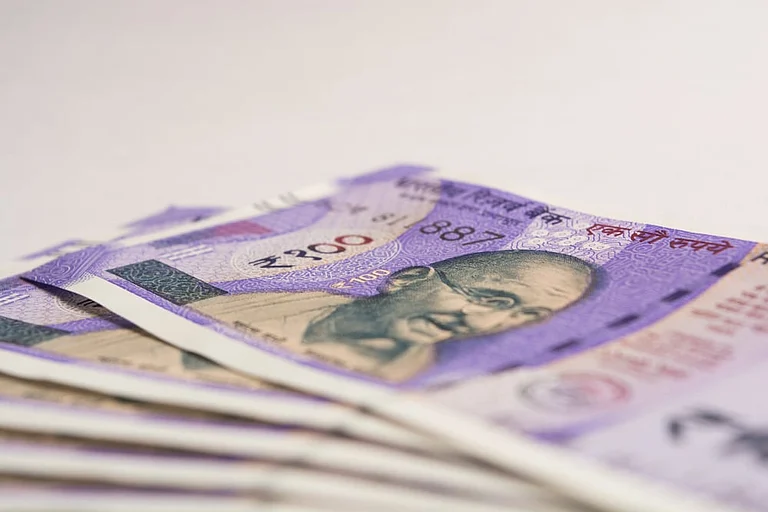
Study Looks Into Two State Schemes
In a working paper released on July 6, 2026, the advisory body said that transfer amounts should be revised in line with inflation. It has also suggested that any savings achieved through better targeting of beneficiaries could be used to increase benefits and provide additional support services.
The paper, titled Unconditional Women Cash Transfer Programmes in India: Evidence from Maharashtra and Odisha, has taken two state government schemes into account, using account-level monthly panel data. These are the Mukhyamantri Majhi Ladki Bahin Yojana, a women-centric welfare scheme by the Maharashtra government which provides eligible women with financial aid of Rs 1,500 every month, and Odisha's Subhadra Yojana, which offers an annual aid of Rs 10,000 through two instalments.
Advertisement
Increase In Savings And Spending
Both the schemes have resulted in significant improvements in beneficiaries' savings and spending, the paper said.
For beneficiaries in Maharashtra, month-end account balances have increased by about 84 per cent, while those in Odisha have risen by around 45 per cent. The study estimated that the increase in savings amounted to nearly Rs 6,884 per beneficiary in Maharashtra and Rs 6,887 in Odisha.
Monthly consumption spending has also increased. The paper reported a rise of 46 per cent among beneficiaries in Maharashtra and 28 per cent in Odisha. It estimated the marginal propensity to consume at 0.90 per cent, indicating that a large share of the transferred money has been spent on household needs.
The study has also found that the schemes had wider effects within households. Family members of beneficiaries have recorded improved financial positions, with lower spending and higher savings in several cases.
Advertisement
According to the paper, a 10 per cent increase in account balances of Subhadra Yojana beneficiaries was linked to a 1.90 per cent decline in spending by relatives. In Maharashtra, relatives of beneficiaries have recorded a 23 per cent increase in month-end balances and a 49 per cent reduction in spending.
Recommendations And Wider Reach
The analysis of spending patterns also showed changes in the way beneficiaries used the money. Expenditure on education, healthcare and lifestyle-related purchases had increased, while the use of Unified Payments Interface (UPI) transactions also showed growth.
In Maharashtra, educational expenditure through ATM transactions increased from 18 per cent to 24 per cent. Lifestyle-related spending through UPI transactions increased from 37 per cent to 42 per cent, while medical spending increased from 8 per cent to 10 per cent.
The paper has recommended that the schemes be expanded beyond cash transfers by adding voluntary services, such as digital literacy programmes, capacity building, and links with self-help groups.
Advertisement
According to the study, by FY26, more than 15 states have introduced unconditional cash transfer schemes for women. Together, these programmes are estimated to cost around Rs 1.70 lakh crore annually, and cover nearly 120 million women.
Show comments
Published At: