New UPI security measures introduced
Advance tax payment due June 15
LPG and banking rules revised
Key Financial Changes Effective From June 1, 2026: What They Mean for You
From UPI security upgrades and advance tax deadlines to revised LPG prices and banking rules, several key financial changes come into effect from June 1, 2026

Summary
Advertisement
Several important financial and regulatory changes have come into effect from June 1, 2026. These impact taxpayers, digital payment users, liquefied petroleum gas (LPG) consumers, investors, and bank customers. These changes are aimed at improving transparency, strengthening security, and enhancing compliance across India’s financial ecosystem.
UPI Transactions
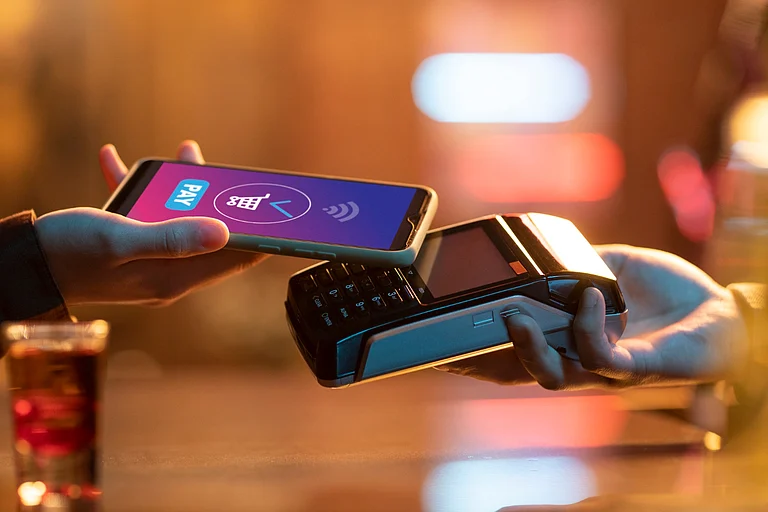
The National Payments Corporation of India (NPCI) has introduced additional safeguards for Unified Payments Interface (UPI) users. One of the most significant changes is that users will now be able to view the verified bank-registered name of the recipient before authorising a payment. This is expected to reduce fraudulent transactions and accidental transfers.
For certain high-value transactions, payment apps may also require additional authentication measures, including biometric verification, to improve security.
Changes in PAN Card Rules
The government has revised Permanent Account Number (PAN)-related reporting requirements for several high-value transactions. Under the updated framework, PAN disclosure requirements have been modified for property transactions, large cash deposits, and other specified financial activities. The objective is aimed at reducing compliance burdens for smaller transactions, while at the same time improving tracking and reporting of high-value dealings.
Advertisement
Advance Tax Deadline
Taxpayers with an estimated annual tax liability exceeding Rs 10,000 must remember an important deadline. The first instalment of advance tax for the financial year 2026-27 is due on June 15, 2026.
Eligible taxpayers are required to pay 15 per cent of their estimated tax liability by this date. Missing the deadline could attract interest penalties under income tax provisions. Freelancers, consultants, traders, landlords, and business owners are among those most likely to be affected.
Commercial LPG Prices
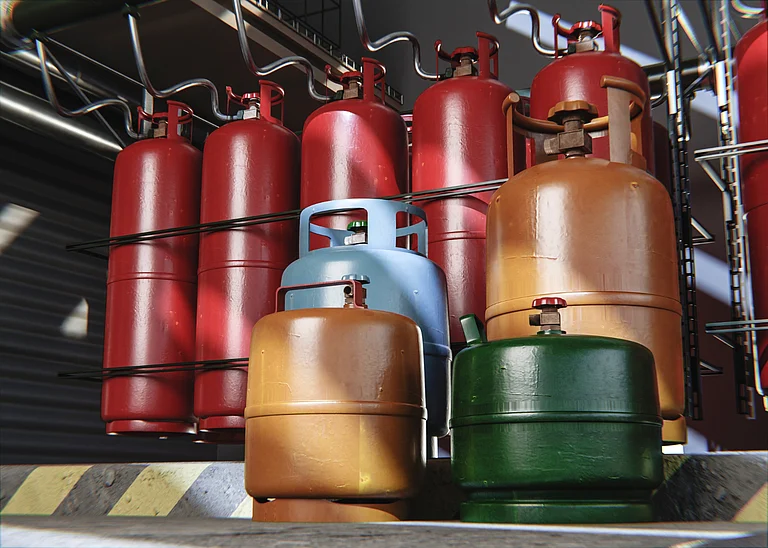
Oil marketing companies (OMCs) have revised the price of LPG from June 1, 2026. Commercial LPG cylinders have become more expensive, increasing operational costs for restaurants, hotels, and small businesses. While domestic LPG cylinder prices remain unchanged in many regions, the increase in commercial cylinder rates could indirectly influence prices of food and services at eateries, food stalls, restaurants, hotels and takeaway establishments over the coming months.
New Rules for LPG and PNG Consumers
Consumers shifting from LPG to piped natural gas (PNG) connections may now be required to surrender their LPG connections within a specified period. In addition, certain refill booking restrictions have been introduced to prevent duplicate subsidies and improve resource allocation. The changes are aimed at streamlining fuel distribution.
Advertisement
ATM Withdrawal and Banking Charges
Several banks have revised ATM-related rules. UPI-based ATM cash withdrawals will now be counted within the free transaction limits offered by banks. Customers who exceed their monthly free withdrawal quota may face additional charges. Bank customers are advised to review their bank’s updated ATM fee structure.
These changes affect a wide range of financial activities, from making UPI payments and paying taxes to purchasing property and using banking services. While many of the reforms are designed to improve security and compliance, consumers and businesses should familiarise themselves with the new rules to avoid penalties, additional charges, or transaction delays.
Show comments
Published At: