LPG prices rise across major Indian cities.
Global tensions disrupt LPG supply chains.
Government assures adequate LPG stock availability.
LPG Cylinder Prices Rise Across India Amid Global Supply Concerns
LPG rates increase in major cities as geopolitical tensions disrupt global supply chains, prompting higher bookings despite adequate stock. Here are the rates of LPG in India

Summary
Advertisement
The prices of LPG cylinders in India have increased significantly, which has been affecting households and businesses all across the country. The latest revision of the prices has led to a major rise in the cost of cooking gas, as announced in early March. The price hike is a result of global supply disruptions and tensions in the geopolitical space with West Asia. This has affected the LPG import and distribution in the country.
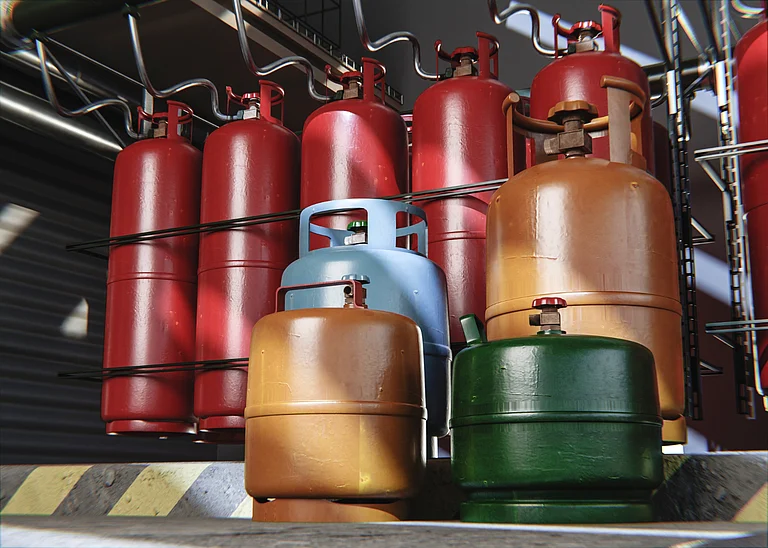
As reported by a PTI report, Sujata Sharma, Joint Secretary in the Ministry of Petroleum and Natural Gas, stated at a media briefing that fears of a shortage have led to a spike in LPG cylinder bookings in recent days, even though supplies remain adequate across the country. She maintained that LPG distributors have sufficient stocks and that supply chains are functioning normally.
Advertisement

Latest LPG Prices in Major Cities
As of March 14, 2026, the cost of domestic LPG (14.2 kg) in the following states stands at,
New Delhi: Rs 913
Mumbai: Rs 912.50
Kolkata: Rs 939
Chennai: Rs 928.50
Hyderabad: Rs 965
Lucknow: Rs 950.50
Bengaluru: Rs 915.50
Patna: Rs 1,002.50
Whereas, the commercial rates (19 kg) in the same cities stand at
New Delhi: Rs 1,884.50
Mumbai: Rs 1,836
Kolkata: Rs 1,988.50
Chennai: Rs 2,043.50
Hyderabad: Rs 2,105.50
Lucknow: Rs 2,007
Bengaluru: Rs 1,958
Patna: Rs 2,133.50
This latest revision indicates a fast change in global fuel markets and the rising costs of imports due to the ongoing tensions in West Asia.
Reasons Behind the Price Increase
The escalating tensions involving countries such as the United States, Israel, and Iran have impacted the shipments of LPG through the Strait of Hormuz, which is a major shipping route for oil and gas exports. Since India is a massive importer of LPG from West Asian countries, any challenges and disruptions to these countries affect the fuel prices directly.
Advertisement
To make sure the resources are evenly spread, the Indian government has invoked the Essential Commodities Act, 1955. The provisions that enable the authorities to regulate the production, supply, and distribution of goods such as fuel. This ensures hoarding is prevented and there’s fair market availability. In addition to this, the government has begun sourcing LPG from alternative suppliers such as the US, Canada, Norway and Russia. This is expected to stabilise supply and reduce the dependence on the tense Gulf regions.
This price hike in LPG rates highlights the interdependence between global energy markets and domestic fuel costs in India. While the government is making sure supply is unaffected, price rises continue to be a challenge for people in India.
Show comments
Published At: