A mule account scam involving suspected cyber fraud proceeds worth Rs 7.36 crore has been busted in Delhi with the arrest of six people, including the branch managers of two private banks. The 37 suspected mule accounts were linked to 99 cyber fraud complaints registered across India. Police alleged that the accounts were opened using forged signatures and know-your-customer (KYC) documents obtained from unsuspecting daily-wage labourers. A portion of the money credited into the accounts was allegedly converted into cryptocurrency, including USDT (Tether).
Mule Account Scam: Delhi Police Identify 37 Fake Accounts Linked To Rs 7.36 Crore Crypto Fraud
Forged signatures and daily wage labourers’ KYC documents were allegedly used to open bank accounts, route cybercrime proceeds, and convert money into cryptocurrency

Advertisement
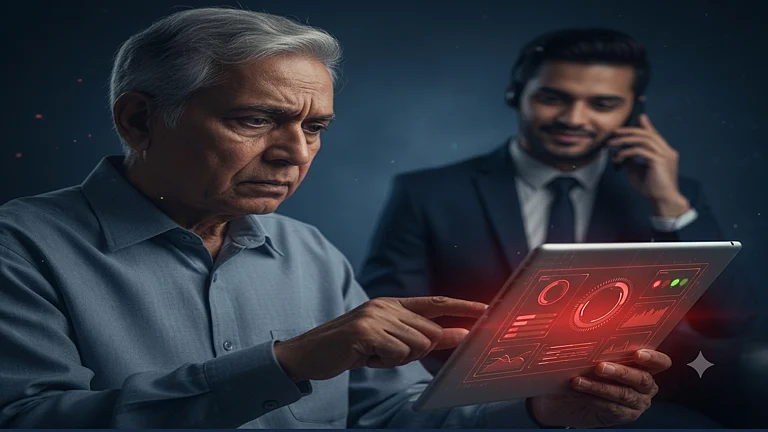
According to a report by PTI, investigators identified 17 suspected mule accounts at a private bank’s branch in Saraswati Vihar and 20 others at the bank’s Tri Nagar branch. The case came to light during an examination of suspicious account data, with the Tri Nagar branch emerging as a suspected hub for opening of such accounts.
A preliminary inquiry found that one accountholder, identified as Rahul, had neither visited the branch nor made any application for opening the account. The police also found that the addresses linked to two other suspected accounts could not be verified.
An FIR was registered on June 17, 2026, following which investigators examined additional accounts at the Tri Nagar branch. Police found that several accountholders had non-existent addresses and that their photographs and KYC documents had not been captured in person.
How The Mule Account Scam Worked
Technical analysis of registered mobile numbers, email IDs, devices linked to those email accounts and connectivity records led investigators to Mayank Kapoor, alias Rinku, 35, who was allegedly operating the mule accounts. He was arrested from Baba Haridas Nagar in Delhi.
Advertisement
During questioning, Kapoor allegedly told investigators that he arranged SIM cards in the names of daily-wage labourers and contacted them on their mobile phones on the pretext of helping them secure loans. Their KYC documents and photographs were allegedly collected through social media and used for opening the bank accounts.
Police alleged that Shobhit Aggarwal, 38, manager of the Saraswati Vihar branch, helped facilitate the account openings without the accountholders being physically present. Forged signatures were allegedly used in their names. Aggarwal later introduced Kapoor to Sushant Kumar, manager of the Tri Nagar branch.
Investigators alleged that four sales team members, identified as Manoj, Ankur, Fatma and Pankaj, processed the accounts, which were subsequently approved by the two branch managers. The accounts were allegedly used to route money linked to cybercrime, with a portion paid to Aggarwal and the remaining amount converted into cryptocurrency, including USDT.
Police said Aggarwal and the four sales staff members were arrested on October 18, 2026 after investigators collected sufficient evidence. Along with Kapoor, the total number of people arrested now comes to six. The report did not specify whether Sushant Kumar was among those arrested.
Advertisement
During searches, investigators seized a laptop, seven mobile phones, 11 SIM cards, seven cheque books, seven debit cards, Rs 60,000 in cash, and around 150 grams of gold jewellery. They also recovered 63 Aadhaar cards, 60 Permanent Account Number (PAN) cards and 55 passport-size photographs belonging to different people, which were allegedly intended for opening bank accounts.
How To Stay Safe
Avoid sharing Aadhaar or PAN details, photographs or other KYC documents with unknown people offering loans. Verify loan offers directly with the lender, and never share banking OTPs. Contact your bank immediately if you discover an account or transaction you do not recognise. Suspected cyber fraud can be reported by calling 1930 or through India’s National Cyber Crime Reporting Portal.
Show comments
Published At: