A Kolkata senior citizen lost Rs 4.70 lakh from his fixed deposit to digital fraudsters.
The fraudster posed as a bank official and tricked him into clicking a malicious link and sharing banking details.
They used forged bank documents and a fake WhatsApp DP to gain trust.
Senior Citizen Loses Rs 4 Lakh Fixed Deposit To Fraudsters Posing As Bank Officials
Cybercriminals masquerading as bank officials defraud a Kolkata senior of Rs 4.7 lakh fixed deposits. The digital world is not yet mature and secure, and this demands that individuals stay vigilant when using digital tools, apps, links, and more

Summary
Advertisement
Senior citizens, especially retirees, seem to be the soft target for cyber criminals. A retiree resident of Kolkata became the latest victim of a sophisticated financial scam and lost a total of Rs 4.71 lakh from his fixed deposit (FD). This happened on August 7, 2026, when a fraudster called the victim and posed as an official of a commercial bank. The caller or fraudster persuaded the senior citizen during the interaction to click on a malicious link. The retiree, trusting the caller, clicked the link, leading to him immediately losing his hard-earned money.
When the elderly person realised that it was a scam and he had been tricked, he lodged a formal complaint on August 8 with the police, who registered a case against unknown users of the mobile number used to contact the senior citizen. Later, the cyber cell at Lalbazar took over the investigation of this specific case, as per a report by The Times of India.
Advertisement
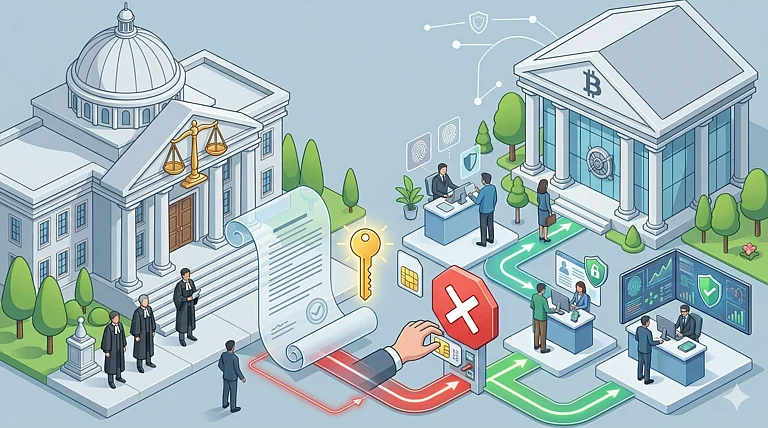
The investigation revealed that the fraudulent caller didn’t just impersonate a bank official but also premeditated the whole incident. The investigation found that the fake bank official used forged digital assets to take the victim into confidence and deceive him. They noted that the fraudsters created fake documents that displayed the bank’s official name and logo. To give the document further legitimacy, the fraudster used one of these forged documents as a display picture (DP) on their WhatsApp account.
The tactic enabled the perpetrator to pose as a bank relationship manager, win the trust of the retiree victim, and eventually collect the victim’s personal information and banking credentials. The fraudsters then tampered with the digital records to execute the fraud.
Advertisement
This may be just another case of an impersonation-led digital fraud for many, but the case underscores a disturbing trend where cyber criminals are specifically targeting retired individuals, possibly anticipating they have a good amount of savings, typically in bank FDs, and posing as bank officials or other government officials to willingly or coercively get their funds transferred to the intended accounts.
Reportedly, the cyber cell is collaborating with digital experts to track money transfers and call records of the mobile number used to perform the fraud.
As the investigation continues to track digital clues, the primary goal is to identify the person or the gang behind this fraud and recover the stolen funds. The case has been registered, and the legal proceedings involve a combination of the Information Technology Act, 2000, and the Bharatiya Nyaya Sanhita (BNS), 2023.

The accused is charged under Sections 66, 66C, and 66D, and Section 43 of the IT Act, which deal with computer-related crimes, identity theft, and illegal access, tampering of computer systems, and cheating through computer resources, and for criminal conspiracy, forgery, and use of forged documents as genuine under the BNS.
Advertisement
While the police and cyber cell are investigating the matter, recovering the money lost in such cases may not always be possible. The Reserve Bank of India (RBI) has issued guidelines for such cases, where a victim is advised to report the unauthorised transfer, withdrawal, or any suspicious transaction to the bank within a stipulated time period to benefit from the zero-liability clause.
Authorities and experts caution against sharing your personal information, OTPs, or bank credentials with anyone without making sure that they are genuine. However, sometimes the trap is such that it may feel genuine, and a person falls prey to it. In case it happens, one must not delay reporting the matter to the cyber cell on #1930 or the police.
Show comments
Published At: