The introduction of the New Income Tax Regime is an important initiative, designed for simplicity and convenience.
To make the new regime more attractive and beneficial, the government has recently introduced reforms which not only improve the disposable income but also make the tax system convenient to adopt.
Now, organizations are building employee benefit programs around these changes to save on taxes along with keeping teams happy and engaged.
New Tax Regime Push Spurs Rise In Wallet-Based Employee Benefits
The transition towards the new tax regime has been gradual and slow. To make it more attractive, the government has recently introduced reforms which not only improve the disposable income, but also make the tax system convenient to adopt. Now, organisations are also building employee benefit programs around these changes to save on taxes along with keeping teams happy and engaged

Summary
Advertisement
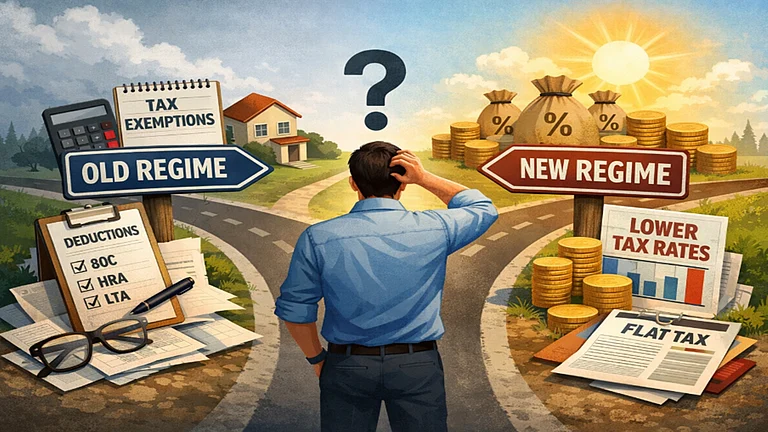
Over the past decade, the Indian direct tax system has evolved to make life easier and convenient for salaried employees. The government has simplified rules, increased transparency, and also improved disposable income. The introduction of the new tax regime (NTR) is an important initiative, designed for simplicity and convenience.
Despite the offered benefits, the transition towards the new tax regime has happened gradually. Many are still stuck with the old tax regime (OTR) because of the available deductions. To make the NTR more attractive and beneficial, the government has recently introduced reforms which not only improve the disposable income, but also make the tax system convenient to adopt. Now, organisations are building employee benefit programs around these changes to save on taxes along with keeping teams happy and engaged.
This shift matters because today’s employees want flexibility, personalisation and transparency, especially when it comes to pay. These recent tax updates accelerate that with bigger exemptions and everyday perks, such as meals, gifts and commuting, to increase purchasing power. Perhaps the most notable changes include a sharp hike in the value of the meal benefit exemption from the current Rs 50 to Rs 200 per meal, thus greatly boosting the value of the tax-efficient benefit that is made available to the workforce on a monthly basis. This exemption is valid under both the tax regimes.
Advertisement
The tax-exempt gift limit has also been raised from Rs 5,000 to Rs 15,000, offering greater flexibility in structuring gifts for employees. Fuel wallets and driver salary exemptions got a boost too, helping ease commuting costs.
Says Raj P. Narayanam, founder and executive chairman of Zaggle Prepaid Ocean Services, a firm fast tracking wallet adoption: “The reforms signal a structural shift toward smarter and more flexible compensation frameworks that enhance employees’ purchasing power. Technology platforms are becoming critical in translating policy changes into measurable financial value for the workforce.”
The ever-changing tax space in India remains an important factor. The increasing infrastructure and policy support is creating the need for a more aligned and convenient wallet concept, which will help organisations to design an effective model for the future.
Adds Narayanam: “The changing space could see reforms aligning with the new concept, where organisations could look forward to be benefitted from the technology-based solutions that will play an important role in the future.”
Advertisement
Show comments
Published At: