RBI allows FPIs to certify KYC documents overseas.
Overseas certification could reduce paperwork and onboarding delays.
Banks will still conduct mandatory KYC and verification checks.
RBI’s FPI KYC Change May Make India Onboarding Easier For Foreign Investors
The RBI’s new overseas certification facility can reduce paperwork for foreign investors, but other KYC and account-opening checks will still take time

Summary
Advertisement
The Reserve Bank of India’s (RBI) revised KYC rules could make it easier for foreign portfolio investors (FPIs) to open bank accounts in India by allowing some documents to be certified outside the country.
Under the new rules, Indian banks can accept certified copies of certain KYC documents if they are certified by recognised authorities overseas. The change took effect on September 18.
For foreign investors, this means they can get their documents certified in the country where they live or operate. This could reduce the need to send documents to India or work with authorities in India for certification.
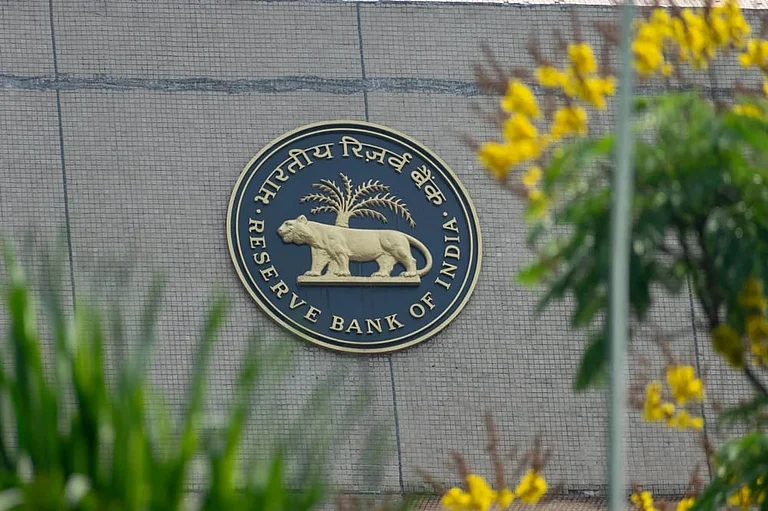
Overseas Certification Can Reduce Paperwork
An FPI may need to submit documents for the fund, authorised signatories, shareholders and ultimate beneficial owners. These documents can then be checked by banks, custodians, depository participants and designated depository participants (DDPs).
“The biggest problem is not usually one KYC requirement. It is the number of stakeholders involved,” Dharmendra Maurya, Co-founder and CEO of Rupeeflo, stated.
According to Maurya, the RBI change deals with only one part of the process. “This is primarily a bank account-opening change. It does not change SEBI's requirements or the DDP registration process.”
This means foreign investors may find bank-related KYC easier, but they will still have to complete other checks as part of the FPI onboarding process.
Advertisement
Account Opening May Become Faster
The new rule could also reduce the time investors spend getting documents certified for use in India.
“If an investor can get the documents certified by an accepted authority in the country where they are based, that can take a process that sometimes stretches into weeks and bring it down to a few days,” Maurya stated.
However, opening an FPI account can still involve other checks. These can include reviewing fund documents, beneficial ownership details, PAN, bank accounts and demat accounts.
For investors whose ownership structure involves entities in different countries, collecting and checking all the required documents can still take time.
Investors Must Use Recognised Certifiers
The RBI rules list the authorities that can certify documents outside India. These include overseas branches of Indian scheduled commercial banks, eligible branches of foreign banks, Notary Publics, Court Magistrates, Judges, Indian Embassies and Consulates General.
Maurya stated that investors need to use an approved certifier to avoid problems with their documents. “The first thing is to use a certifier that is actually recognised under the Directions.”
Foreign investors should also check the required document format with their bank and DDP before getting their documents certified.
Differences in names across passports, tax records, bank documents and address proofs can also cause delays. Investors may need to provide additional documents or explanations if such differences exist.
The RBI change makes one part of the FPI onboarding process simpler, while other KYC, ownership and account-opening checks will still apply.
Advertisement
Show comments
Published At: