A survey of 39,000 citizens across 376 districts finds that any transaction fee on UPI could sharply curb its use.
Around 75 per cent of respondents say that they would stop using it if charges are imposed.
The findings expose a deep-rooted expectation that UPI must remain a zero-cost.
What If A Transaction Fee Is Charged On UPI? Survey Gauges Mood Of Indians
The QR-code-based payment, mobile-app-based availability, and user-friendly interface of UPI apps have brought millions of first-time users into the formal economy

Summary
Advertisement
Introduction of charges in the Unified Payment Interface (UPI) transaction will affect its usage negatively, finds a survey conducted by the LocalCircles, a community social media platform. The survey collected responses from 39,000 citizens across 376 districts. The survey found that if a transaction fee is introduced for UPI payment, three-fourths (75 per cent) of the users would stop using it. Only 25 per cent replied that they will continue using UPI and bear the transaction fee, whether it’s a fixed charge, a percentage of transaction value, or a combination of both.
The findings highlight the ‘zero-cost’ paradox. Users associate UPI with a free mode of transaction, and this free/zero-cost expectation has been entrenched in their psyche.
While the transaction has grown multi-fold since its launch in 2016, it is attractive as long as it's free because it has been introduced as a free mode, a convenient substitute for cash payment.
Advertisement
The survey highlights that UPI transactions reached unprecedented heights in the financial year 2025-26. Over 240 billion transactions valuing more than Rs 314 lakh crore were processed, indicating its wide adoption by millions of users for various purposes.
The QR-code-based payment, mobile-app-based availability, and user-friendly interface of UPI apps have brought millions of first-time users into the formal economy. The survey underscores that UPI has penetrated remote rural regions. It has empowered the street vendors to compete with large enterprises.
By March 2026, its volumes were crossing 700 million transactions daily, leading the real-time payment transactions.
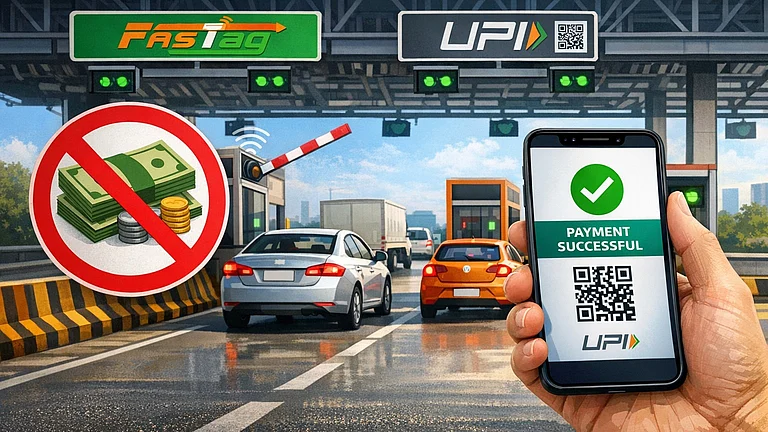
The findings show that UPI is evidently a favourite mode of payment, but the absence of a fee in UPI transactions isn’t just an incentive for people to use it. For them, it is an in-built feature and is non-negotiable for the digital payment experience.
Advertisement
It further emphasised that the stress points are at the merchant level. The survey reveals that 57 per cent of the users have experienced a situation where businesses have declined taking UPI payment and insisted on cash payment at least once in the last 12 months.
Nearly 19 per cent of respondents reported that this has become quite frequent. The discouraging behaviour from the merchants’ side indicates that they may already be facing their own sustainability challenges. This is even before the formal introduction of the user-side charges.

The survey finds that ‘while adoption is universal, the willingness to pay is not’. This may lead policymakers and industry stakeholders into a dilemma about how to scale up UPI when users are not willing to pay a fee, payment providers are already facing sustainability issues, and how payment providers, including small traders, street vendors, and banks remain profitable.
Advertisement
As UPI enters its second decade, a balance is required to ensure that UPI sustains its growth in the digital economy.
Show comments
Published At: