Young buyers dominate digital home loan applications.
Paperless tools speed up approvals nationwide.
Smaller towns embrace online housing finance.
How Digital Lending Is Making Home Loans Easier In India
Young buyers, digital tools, and faster approvals are transforming India’s home loan journey, making homeownership more accessible, convenient, and inclusive across metros, smaller towns, and emerging cities nationwide

Summary
Advertisement
The home loan market in India is evolving faster than one could have imagined. The market is filled with young buyers, internet access, and with the help of new digital tools, it is becoming easier to apply for home loans and invest in homes across the country. A recent housing finance company, namely BASIC Home Loan, in partnership with Paytm and CommsCredible, released a report, “How Bharat Finances Its Housing Dreams: A Consumer Insights Report on Housing Inclusion.” This report highlights how technology and changing borrower behaviour are reshaping the Indian dream of homeownership.

For many Indians, owning a home is a life goal. Homeownership is a symbol of stability and success. One of the biggest changes, as suggested by the report, was the rise in young homebuyers. Millennials and Gen Z are now almost constituting 90 to 95 per cent of people buying homes in India.
Advertisement
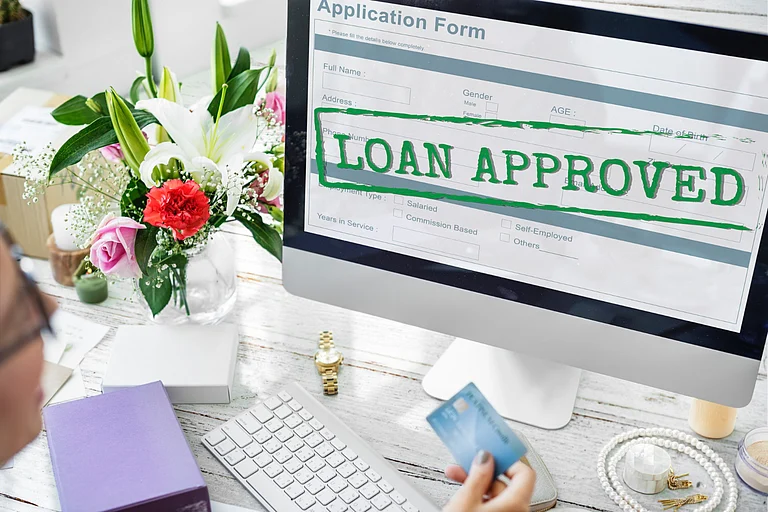
These younger buyers are comfortable using technology. Around 72 per cent of borrowers under 40 prefer to apply for home loans online. They like the simple and convenient way of comparing lenders, uploading documents, and tracking their application journey all from their mobile phones. The surprising revelation was that older borrowers are also catching up to this. Nearly 46 to 47 per cent of people above 60 feel comfortable applying for loans digitally. This indicates that digital lending is becoming quite common now.
The prime reason behind this shift is India’s digital transformation. Applications and tools like DigiLocker allow people to store and share important documents online. Today, nearly 80 per cent of borrowers who are aged 35 and below use DigiLocker for a majority of their tasks, especially while applying for home loans. This reduces the traditional tedious process filled with endless paperwork. The online adaptation reduces paperwork, speeds up approvals, and makes the process easier for both parties.
Advertisement
The digitalisation of loan processes is not just limited to the big cities. The report highlights that people in smaller towns and non-urban areas are also opting for online loan options and applications. These areas are at par with the big cities when it comes to digital connectivity, smartphone usage, and rising financial awareness. These factors are helping to bridge the gap between cities and smaller towns. As a result, homeownership is not far from reach.
Borrower expectations are also evolving alongside. Interest rates remain of the utmost importance. Many borrowers are now preferring lenders who can approve loans quickly, efficiently and safely, even if the interest rate is slightly higher.
Another insight from the report is how much people are willing to spend on EMIs. Lower-income borrowers prefer EMIs that are nearly 25 per cent of their monthly income. Higher-income borrowers reveal that they are comfortable spending nearly 40 per cent of their income on EMIs. This shows growing financial confidence and the willingness to invest in better and premium homes.
Advertisement
Overall, the Indian housing finance system is adapting to the digital and competitive world while being borrower-friendly. With access to better technology, vast lending options, and the dream of owning a home, it is becoming accessible to many Indians than ever before.
Show comments
Published At: