RBI has been persistently intervening in forex market to support rupee
India's forex reserves took a hit, falling to over one-year low in May
India's Forex Reserves Fall To Over One-Year Low Of $681 Billion On RBI's Rupee Defences
The rupee has been under pressure due to a surge in energy prices amid tensions in West Asia. The rupee fell to a record low of 96.96 against the dollar earlier during the week under review, with the Reserve Bank of India (RBI) responding by intervening in the foreign exchange market to stall further fall in the currency

Summary
Advertisement
India’s foreign exchange reserves have fallen to their lowest level in more than a year as the Reserve Bank of India (RBI) stepped up efforts to support the rupee. The rupee has fallen around 6 per cent in the current year triggered by rising global tensions and elevated crude oil prices. According to RBI data, the country’s forex reserves declined to $681.4 billion in the week ended May 22, 2026, down from $688.89 billion a week earlier. The $7.50 billion drop was driven mainly by a fall in the value of the RBI’s gold holdings, which fell by about $4.50 billion during the week.
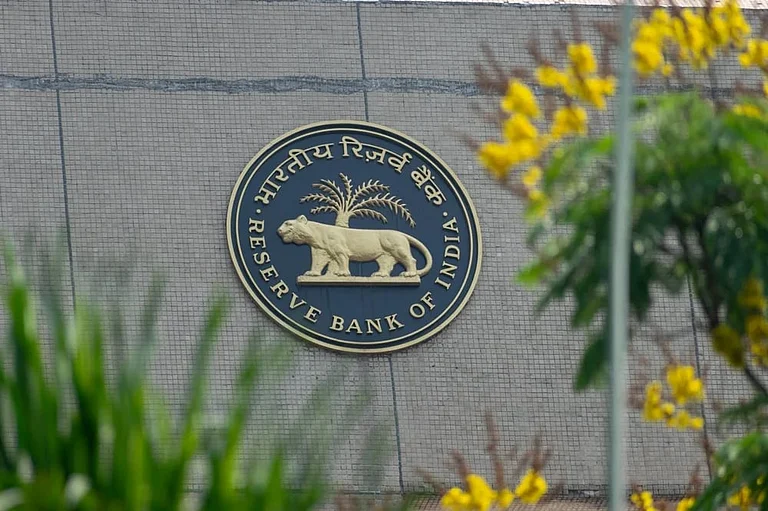
Additionally, foreign currency assets, which form the largest component of India’s reserves, also dropped by nearly $3 billion to $543 billion. These assets are influenced not only by RBI interventions, but also by movements in global currencies against the dollar. RBI has been actively selling dollars in the foreign exchange market to support the rupee, which primarily led to the fall in forex reserves. The Indian currency has come under pressure since the outbreak of the US-Iran conflict, which has pushed crude oil prices higher and triggered capital outflows from emerging markets. India, which imports nearly 90 per cent of its crude oil requirements, is particularly vulnerable to sustained increases in energy costs.
Advertisement
During the week under review, the rupee touched a record low of 96.96 against the dollar before recovering on the back of strong RBI intervention. Market participants believe the central bank sold significant amounts of dollars through state-run banks across several trading sessions to prevent a sharper decline in the currency. The rupee later ended at 95 per dollar, gaining around 0.70 per cent over the week.

Analysts estimate that the RBI has been selling between $800 million and $2 billion a day in recent weeks to slow the rupee’s fall. While these interventions have helped reduce volatility, they have also contributed to the decline in foreign exchange reserves. RBI has repeatedly noted that its objective is not to defend any specific exchange rate, but to prevent disorderly market movements and excessive speculation.
Despite the fall, India’s forex reserves continue to remain among the largest in the world, providing a substantial buffer against external shocks. However, prolonged pressure from elevated oil prices, global risk aversion and capital outflows could keep both the rupee and reserves under strain in the coming months. Market participants are now eyeing RBI’s upcoming monetary policy decision on June 6, where policymakers are expected to closely assess inflation risks and currency stability.
Advertisement
Show comments
Published At: