RBI flags risks from US-Iran deal breakdown, monsoon.
India grows 7.8 per cent despite global uncertainties.
Food and fuel prices show upward pressure trends.
India’s Growth Faces Risks From US-Iran Deal Breakdown, Weak Monsoon: RBI Bulletin
India’s economic growth remains resilient, but risks from geopolitical tensions, energy supply disruptions and an adverse monsoon could weigh on the outlook, says RBI

Summary
Advertisement
India’s economic growth could face challenges if the recent US-Iran peace agreement breaks down or if the southwest monsoon performs poorly, according to the Reserve Bank of India’s (RBI) June 2026 Bulletin.
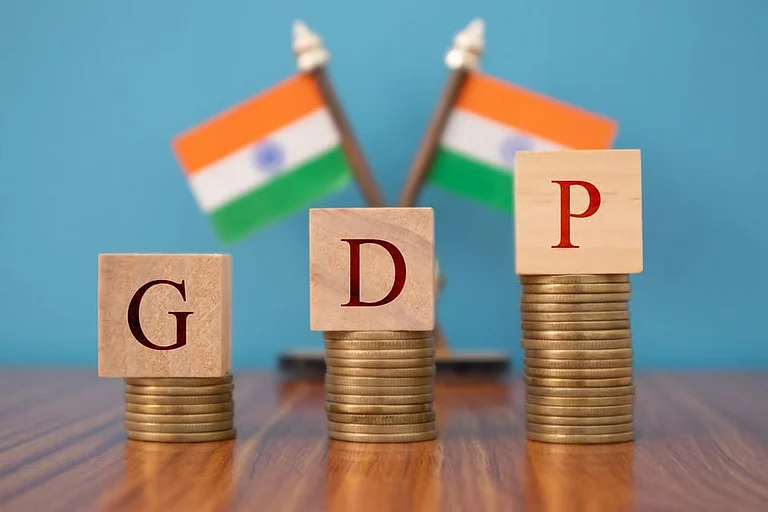
In its article on the State of the Economy, RBI has stated that the global economic environment remains fragile despite some relief from the interim peace agreement between the US and Iran. Geopolitical tensions and trade disruptions continue to affect global markets.
The Bulletin warned that any setback to the agreement could trigger higher inflation expectations, disruptions in critical energy infrastructure, delays in investment spending and concerns over food security. It added that such developments could also weaken financial stability and result in slower economic growth.
Domestic Economy Maintains Momentum
Despite the uncertain global backdrop, the Indian economy recorded a growth rate of 7.8 per cent in the fourth quarter of 2025-26. According to the RBI, private consumption and fixed investment were the key drivers of growth during the quarter.
The central bank noted that high-frequency economic indicators for the first two months of 2026-27 point to continued economic momentum.
India’s external sector also remained stable, supported by foreign direct investment (FDI) inflows and adequate foreign exchange reserves. The Bulletin stated that the country entered the current phase of global uncertainty with stronger economic fundamentals than many other economies.
Advertisement
Food Prices Show Broad-Based Increase
The RBI has mentioned that the consumer price index (CPI)-based inflation remained largely contained despite a rise in May. However, inflation increased across several categories.
Among the 12 major divisions of the CPI basket, eight recorded a sequential increase in inflation during May. Inflation remained highest in the category of personal care, social protection and miscellaneous goods and services.
Food prices also witnessed a broad-based increase. The RBI has attributed the rise in food and beverage prices during May partly to seasonal summer trends. Price increases were observed across most food categories, except for fruits and nuts.
The Bulletin said, daily price data available up to June 18 suggested that the upward trend in food prices continued into June. Prices of rice, wheat and major pulses recorded an increase, while key vegetables such as potato, onion and tomato also became costlier. Edible oil prices rose across categories as well.
Advertisement
Energy Prices Remain A Concern
The RBI noted that global energy supply chain disruptions continue to influence domestic prices. Although the price of the Indian basket of crude oil eased in June from the peak seen in April, it remained elevated.
Higher international fuel prices were partially passed on to consumers through petrol and diesel price revisions in May. Retail fuel prices increased in four phases, with cumulative hikes of around Rs 7.5 per litre for petrol and Rs 7.6 per litre for diesel, according to the Bulletin.
Show comments
Published At: