Amazon’s 10th-anniversary Prime Day sale runs July 4–6.
It offers deep discounts on phones, electronics, and fashion, plus extra card and EMI offers.
But experts warn that the rush for deals may lead scammers to deploy fake sites, apps, QR codes, ot phishing links to defraud people.
Amazon Prime Sale From July 4-6: Shop Smart But Don’t Ignore Security Checks In The Rush
Amazon's Prime Day Sale begins on July 4, but alongside the shopping frenzy, cyber fraudsters may also surge, preying on eager shoppers

Summary
Advertisement
Amazon Prime Day sale is starting from July 4 at 12:00 am and concludes on July 6 at 11:59 pm. This is the 10th anniversary of Amazon’s signature sale. This 72-hour event is exclusive to Prime members and promises discounts across almost all leading categories, including smartphones, electronics, and fashion. There will be additional discounts on selected credit cards and EMI transactions to sweeten the deals even further.
However, amid this excitement, when people rush to book the item to benefit from the attractive deals, fraudulent websites or messages also become active. So, be careful while clicking on a link from an unknown source that promises an attractive cash back, refund or some other attractive offer.

The Sale Season Battleground
Amid this excitement, the digital marketplace may turn into what experts describe as a ‘battleground’ where consumers face increasingly sophisticated digital scams or frauds.
Advertisement
Varun Grover, Business Unit Head at mFilterIt, an Ad-tech and Mar-tech company engaged in fraud detection and brand safety, says, “Sale seasons have evolved into a battleground where consumers aren't just competing for the best deals; they are also navigating increasingly sophisticated fraud. Cybercriminals exploit the urgency and excitement of festive shopping through fake websites, counterfeit apps, phishing messages, deceptive advertisements, fraudulent QR codes, and impersonation scams that closely mimic trusted brands.”
So, while shoppers look for the best deals, cybercriminals at the same time deploy various tactics that could be a fake app or a too-good-to-be-true offer to trap consumers.

Here are some common types of digital frauds
Fake Sites And Apps
One of the most prevalent threats is fake shopping websites and malicious apps that mimic well-known e-commerce platforms. These fraudulent assets lure victims with attractive discounts to steal personal, banking, or card details. It can begin with phishing links, through SMS, WhatsApp, or email, which redirect users to fake login or payment pages offering exclusive deals or order updates.
Advertisement
Financial And Remote Access Exploits
At times, fraudsters send fake payment requests or QR codes, asking users to authorise the payment while users believe they are receiving the refund. The QR code may be used to drain a bank account. Even more invasive scams are the remote access app scam, under which victims are convinced to install screen-sharing software, and once installed, scammers get full access to the devices.
In addition to this, the OTP and bank account fraud involves scammers who pose as a representative to verify the transaction and get your personal details.
Social Media And Delivery Scams
These days, a lot of products are offered online through various social media platforms, such as Facebook and Instagram. But these are also where fake pages advertise luxury goods at massive discounts, and once payment is made, they disappear forever. Consumers may also face fake delivery scams, where scammers send messages informing them that the delivery requires a processing fee. But even if the payment is made, buyers either receive nothing, or receive a fake product, or may receive a used item.
Advertisement
So, while the message and links related to the sale are circulating everywhere, be careful which app to install, which website to open, or which QR code to scan.
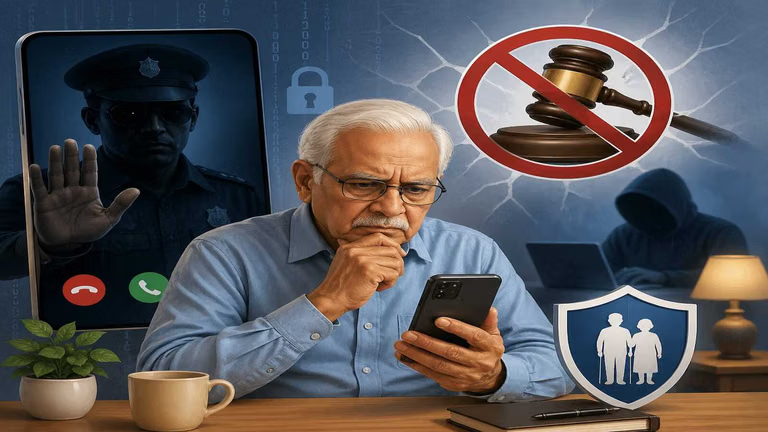
What Steps Can You Take To Avoid Falling Victim To Fraud?
Grover suggests, “Protecting consumers today requires shared responsibility. Shoppers must verify every link, purchase only through official channels, and never share sensitive information, such as OTPs or banking credentials, without validation.”
But it is also the sellers' or brands' responsibility to make their system strong and detect fraud when it happens using their name.
“Brands, marketplaces, payment platforms, and fraud intelligence providers must proactively detect and eliminate fake listings, malicious ads, and counterfeit digital assets before they reach consumers. Awareness is no longer optional; it is the strongest first line of defence,” says Grover, while concluding that the biggest savings won't come from a discount code in the sale season, but from making informed, secure choices that keep both your money and your digital identity protected.”
Advertisement
So, for someone planning to purchase a phone, an electronic home appliance, a luxury item, etc., it is crucial to ensure that the website, app, or payment link is original or generated from the official source, not from a random post on a social media platform.
Show comments
Published At: