





Summary of this article
Over 730 doctors in Telangana have collectively lost nearly Rs 30 crore to sophisticated cyber frauds.
This prompted the Telangana Cyber Security Bureau to hold an awareness meet with the medical community.
Officials urged doctors to stay vigilant and promptly report any suspicious activity or fraud to authorities.
Over 730 doctors in Telangana have fallen prey to cyber criminals and lost around Rs 30 crore in digital fraud. A senior police official in the Telangana police has disclosed that 735 doctors have collectively lost Rs 29.99 crore in digital scams.
In an interaction meeting with the medical professional to raise cyber awareness, the Telangana Cyber Security Bureau (TGCSB) presented the data. The director of the TGCSB emphasised a critical point that professional accomplishment and high levels of education do not provide immunity, as fraud is becoming more sophisticated. Citing the director, PTI reported, “Awareness, caution, and timely reporting remain our strongest defences.”
According to the data, business and investment frauds are the most damaging category. It revealed that 127 victims alone lost Rs 22.39 crore to fraudulent business and investment schemes. While these remained the top two categories, the total number of frauds shows variety as these ranged from digital arrest, identity theft, to sextortion and matrimonial scams, job fraud, insurance scams, and cryptocurrency-related fraud, among others.
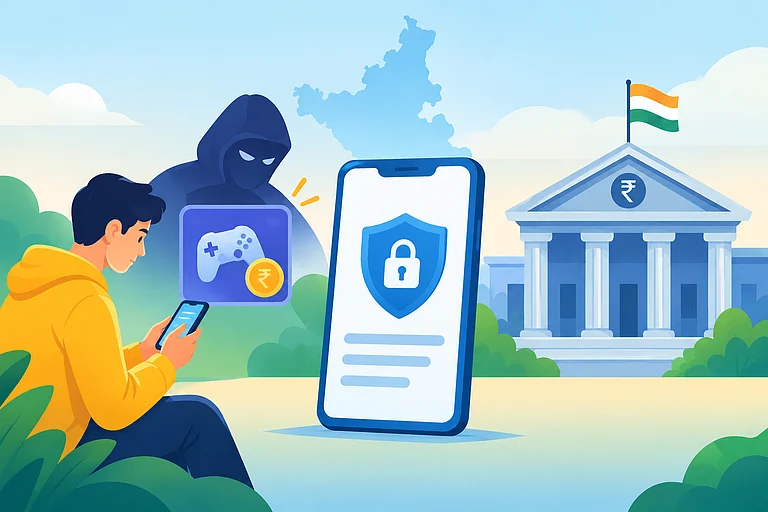
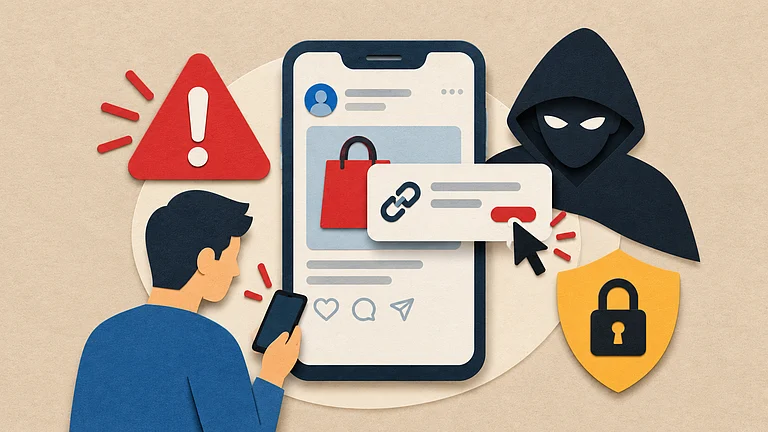



The TGCSB organised the meeting to bridge the gap between enforcement and healthcare professionals and devise preventive strategies against digital scams in the future. More importantly, while the officials acknowledged the risk involved in digital modes, they stressed that returning to the pre-digital era is impossible.
With every aspect of life, like banking, ticketing, education, filing taxes, and daily communication, being intrinsically linked to mobile apps and emails, the medical community cannot remain ignorant of it. It should rather find a way to navigate this digital life while staying protected against digital fraud.
Many reports show rising incidents of cyber or digital fraud. Recently, one report by the State Bank of India revealed that with advancing digital systems, the cybercrime landscape is also evolving, and cybercrime cases are rising.
The TGCSB officials advise people to stay aware, exercise caution, and if a fraud has already occurred, report it immediately to the police.

How To Stay Safe Against Cyber Fraud?
One should try to understand how digital portals and the apps work to feel confident about using them.
Always set a complex password including letters, numbers, and special characters. Update the password regularly.
Use layered authentication for all apps that have sensitive personal information. Use two-factor authentication (2FA), especially in banking and other financial information apps. This can be a combination of biometric verification, OTP verification, or security questions, to add multiple layers of protection.
Try to avoid freely available WiFi, more importantly, when accessing financial or personal information. Prefer using a secure internet connection for accessing such information.
Avoid charging devices from pubic charging stations, like malls or railway stations. If possible, carry a personal power bank as a safer alternative.

Regularly update anti-virus software on the devices. This is one small act, but it serves as a vital safeguard against malware that may be embedded in unknown links or downloads.
Experts suggest not clicking on links received from unknown SMS, email, etc.
Never share bank details, PINs, OTPs, or passwords with strangers. At times, fraudsters impersonate officials of financial or other entities to make the phone call real and get one’s personal information.
One may even keep a separate device for banking and social media to isolate financial data from potential threats.
If the call is from customer care, always cross-verify the number with the official websites.
And in case a fraud has occurred, do not delay reporting the incident to the police or the cybercrime helpline number at #1930. In case of feeling suspicious of a call, WhatsApp, or SMS, report it to the Sanchar Saathi Portal.





