





Summary of this article
Saving is essentially money that you can afford to spend but consciously choose not to. Every stage of life presents different financial challenges, and therefore, your approach to saving should evolve with age.
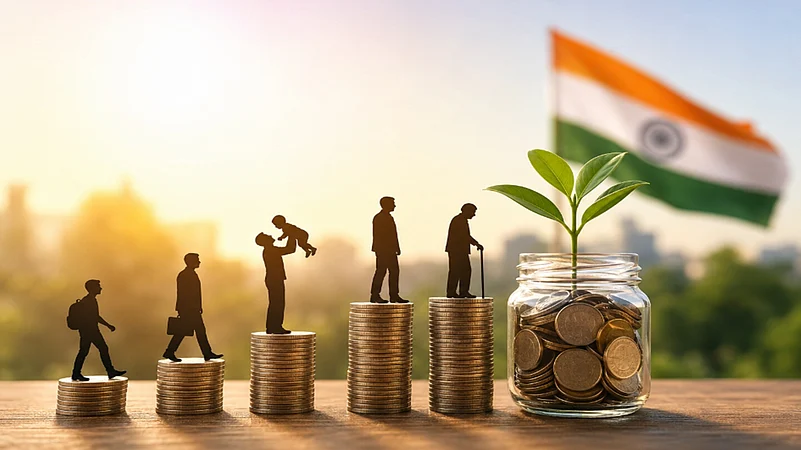
The financial choices we make in every decade of our lives - whether in our 20s, 30s, 40s or 50s - have a far bigger impact than we realise.
Every decade offers a unique opportunity to strengthen your financial future, and making the most of the stage you are in is the key to achieving lasting financial freedom.
Think back to your first salary. Chances are you had a long wishlist - buying a new phone, taking friends out for dinner, or planning a holiday. Saving for retirement was probably the last thing on your mind.
However, the financial choices we make in every decade of our lives - whether in our 20s, 30s, 40s or 50s - have a far bigger impact than we realise. The amount you save doesn’t have to be the same at every stage, but your commitment to saving should only get stronger as your responsibilities grow.
As the country marks Independence Day 2026, it’s a good time to ask yourself: are you moving closer to financial freedom? Here’s how much you should aim to save at different stages of life and why the right habits matter more than chasing a magic number.
Says Santosh Joseph, CEO of Germinate Investor Services: “Money is not the goal, financial freedom is the goal. Most people think planning, budgeting and savings restrict them, but in reality, they provide freedom. While saving may seem unglamorous and mundane, it is something we should do quietly, consistently and repeatedly. Saving is essentially money that you can afford to spend, but consciously choose not to. Every stage of life presents different financial challenges, and therefore, your approach to saving should evolve with age.”
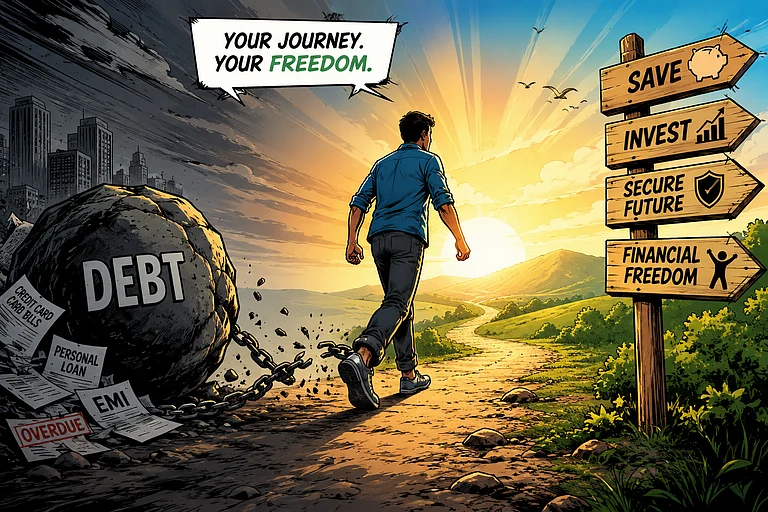
In your 20s, you may have little money but you have the greatest advantage of all, time. This is the ideal stage to build the discipline of saving, whether it is 5 per cent, 10 per cent or 15 per cent of your income. The amount matters less than developing the habit. If you can convert those savings into investments, the power of compounding will work in your favour over the long term.
“In your 30s, as your income grows, you should ideally save 20-30 per cent of your earnings, while being mindful of lifestyle inflation, where bigger cars, expensive holidays and higher spending naturally accompany higher incomes. Your savings should grow along with your income,” says Joseph.
The 40s are often the most financially-demanding decade, with responsibilities such as children’s education, equated monthly instalments (EMIs), ageing parents, and home expenses. Despite these pressures, aim to save at least 20 per cent of your take-home salary, or more if possible, while avoiding unnecessary comparisons with colleagues, classmates or neighbours.
Adds Joseph: “By your 50s, retirement is no longer far away. If you have built adequate savings, your focus should shift towards protecting your wealth. If you are behind on your financial goals, this is the time to save aggressively and make up for lost ground.”
Ultimately, irrespective of age, the money you save today will save you one day. Every decade offers a unique opportunity to strengthen your financial future, and making the most of the stage you are in is the key to achieving lasting financial freedom.





