Government drafts Financial Inclusion 2.0 roadmap
Focus on credit access, insurance and pensions
Push for digital literacy and rural banking
Financial Inclusion 2.0 Roadmap Aims To Increase Depth Of Access And Credit For All
Finance ministry begins drafting Financial Inclusion 2.0 roadmap, focusing on credit inclusion, rural banking expansion, digital payments, insurance and pension coverage by 2047

Summary
Advertisement
The finance ministry has initiated work on an elaborate plan called Financial Inclusion 2.0, aimed at extending banking, credit, insurance and pension services to every citizen, including those who are not part of the formal financial system. In a meeting, chaired by Financial Services Secretary M Nagaraju, senior representatives of regulators and ministries discussed strategies for increasing financial inclusion both in urban and rural areas.
The discussions focused on the preparation of a detailed action plan for building access to banking services in all parts of the country, strengthening banking infrastructure in villages, and increasing access to formal credit, especially for women and other vulnerable sections of society. Officials also emphasised the target of providing universal insurance and pension coverage by 2047.
Current Financial Inclusion Scenario
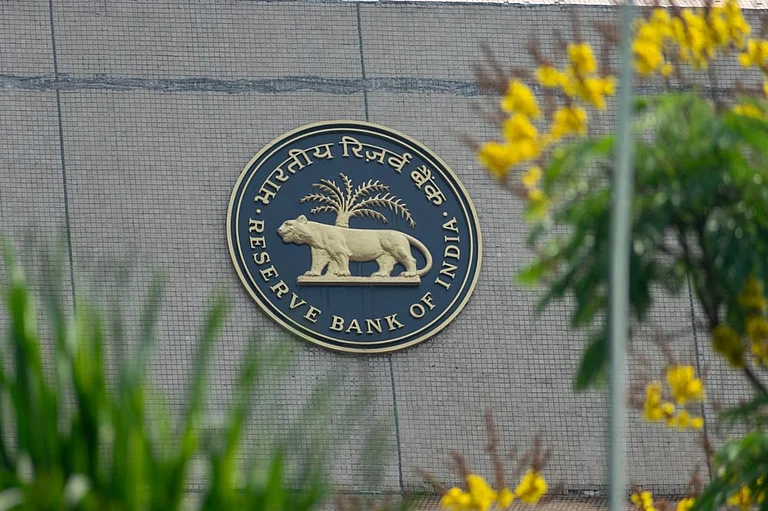
Financial inclusion has grown considerably in the last decade. Under the Pradhan Mantri Jan Dhan Yojana, over 54 crore bank accounts have been created since 2014. According to the Reserve Bank of India's (RBI's) Financial Inclusion Index, which measures access, usage and quality of financial services, the index improved to 64.2 in March 2024 against 60.1 a year ago and shows wider access and usage of banking services.
However, there are still gaps, for instance, in areas such as formal credit access, insurance penetration and pension coverage, particularly for low-income households and informal workers. While account ownership has risen, access to affordable and timely credit remains spotty. Insurance penetration as a percentage of gross domestic product is still low, and pension coverage is limited for the non-formally employed.
Advertisement
Bringing The Credit Excluded Into The Fold
A major focus of the Financial Inclusion 2.0 roadmap is bringing people who are not in the formal system of credit. These include small borrowers, those in the informal sector and those with thin or no credit histories. Officials discussed creating appropriate financial products, strengthening credit assessment mechanisms and enhancing data sharing frameworks in order to mitigate information gaps.
The meeting also reviewed the need to grow the usage of digital transactions, especially in rural and semi-urban areas, and to build trust in digital systems. Strengthening of financial and digital literacy programmes for adults as well as students at the secondary and senior secondary levels was identified as a priority. Awareness campaign on financial frauds, including digital frauds, is expected to be a part of the overall plan.
Improving Infrastructure And Social Security Coverage
Access to physical banking services was also discussed, including ensuring at least one bank branch in every subdivision in the north-eastern region. Expanding banking correspondent networks and improving the delivery of services at the last mile are likely to form a part of the strategy.
Advertisement
The wider goal, however, is universal access to banking, insurance and pension services by 2047. A final report on the Financial Inclusion 2.0 roadmap is expected following further deliberations among the stakeholders.
Show comments
Published At: