RBI eases NBFC, UCB rules to boost credit flow.
Consumer protections strengthened for digital transactions and mis selling.
Financial inclusion expanded via KCC, BCs, and collateral-free loans.
RBI Announces Measures To Ease Lending, Promotion Of Digital Payments And Financial Inclusion
RBI MPC Meet 2026: The RBI MPC announced ease for NBFCs and urban cooperative banks, alongside steps on digital payments and financial inclusion to support credit flow and customer protection

Summary
Advertisement
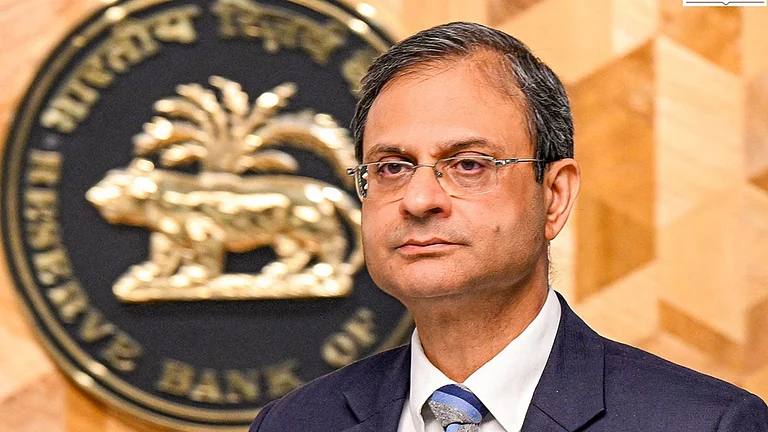
RBI MPC Meet 2026: The Reserve Bank of India’s (RBI’s) monetary policy committee (MPC) on February 6, 2026 unanimously voted to keep the repo rate unchanged, keeping a benign outlook on inflation and steady growth momentum. Along with this, the MPC also announced other regulatory and developmental measures with a view to enhance operational flexibility, strengthen customer protection, and support credit flow by non-banking financial companies (NBFCs) and urban cooperative banks (UCBs).
Regulatory Measures
RBI has eased rules for the NBFCs and UCBs. NBFCs with asset sizes up to Rs 1,000 crore that do not accept public funds and have a customer interface will be exempted from registration, thus easing compliance for smaller and low-risk entities. The requirement for prior approval of new branches will be also removed for select NBFC investment and credit companies with more than 1,000 branches to help with faster expansion.
Advertisement
For UCBs, lending norms will be rationalised, covering unsecured loans, limits for lending to nominal members, and tenure and moratorium for housing loans, especially for tier-III and tier-IV UCBs. The review will be tiered and simplified, but not compromise on prudential discipline.
Consumer protection measures, such as draft instructions relating to advertisement, marketing and sale of financial products will also be put in place to curb mis-selling. RBI will also review rules on engagement of recovery agents and their conduct during loan recovery. The framework for limiting customer liability in unauthorised digital transactions will also be updated, including compensation for small-value fraudulent transactions.
“RBI’s proposed guidelines on preventing mis-selling, ensuring fair and transparent recovery practices, and clearly defining limited liability in unauthorised electronic transactions create greater accountability across the lending ecosystem. Similarly, the proposed compensation for losses arising from small-value fraudulent transactions acts as both a deterrent against misuse and a meaningful safety net for customers who become victims of fraud,” says Bhavin Patel, co-founder and CEO, LenDenClub & Vartis Platforms.
Advertisement
RBI said that NBFCs are currently financially sound. As of September 2025, the total capital to risk-weighted assets ratio of NBFCs was 25.11 per cent, while the gross non-performing asset (GNPA) ratio was 2.21 per cent as against 2.57 per cent in the previous year.
Payments System
In digital payments, RBI will publish a discussion paper on safeguards against fraud. Measures could include lagged credits and extra authentication for certain users, including senior citizens, in order to boost customer protection while maintaining digital payment adoption.
Financial Inclusion
RBI has outlined three schemes for better access and better delivery mechanism of credits. The Lead Bank Scheme will be updated with clear operational instructions and a common portal for bank-wise reporting for better monitoring.
Kisan Credit Card (KCC) guidelines will also be updated to increase the coverage and ease of operations. Changes include standardising crop seasons, increasing tenure to six years, linking drawing limits with crop finance, and providing expenses on technological interventions.
Advertisement
Guidelines on business correspondents (BCs) for last-mile access at rural and remote locations will also be reviewed. The limit for collateral-free loans to micro and small enterprises will increase from Rs 10 lakh to Rs 20 lakh for loans sanctioned or renewed from April 1, 2026, paving the way for easy access to formal credit.
Kunal Shah, co-founder of SURE, said: “From a lending perspective, having maintained a neutral stance provides more certainty to both banks and borrowers on the earlier repo rate cuts. For borrowers, this stability means interest rates are less likely to see sudden movement. Existing borrowers will see more stable monthly outgo, while new buyers are better positioned to plan their home purchases with confidence, as a result of predictable equated monthly instalments (EMIs) and stable rates.”
Show comments
Published At: