The safest loan isn’t the fastest. It’s the one people can actually repay without losing sleep or scrambling to cover EMIs. Real responsibility starts with solid underwriting.
Tools like FOIR, income-to-obligation ratios, and actual repayment behavior matter a lot more than a number on a report. That’s the real safety net.
As personal loans keep booming in India, it’s not enough to just make them available to more people. What will really count is whether people get the credit that actually fits their needs and their ability to pay.
Rising Personal Loans In India: Can P2P Lending Offer Safer Borrowing?
As personal loan demand surges, experts say robust underwriting, transparent lending practices, and responsible risk assessment are key to ensuring borrowers take on debt they can realistically repay.

Summary
Advertisement
India’s lending scene has changed completely over the past ten years. Getting a personal loan used to mean endless paperwork, running between branches, and waiting anxiously for an answer. Now, with all the digital lenders and instant loan apps out there, money lands in your account in just a few clicks.
That’s opened a lot of doors. People who never borrowed before can finally get formal credit. But just because you can borrow money in five minutes doesn’t mean it’s safer. Speed’s great, sure, but sometimes it just means risk piles up faster. If lenders skip the homework and approve loans without really checking repayment capacity, it sets people up for trouble: over-borrowing, missed EMIs, and financial headaches all around.
“This is where the true value of P2P lending comes into focus. People shouldn’t think of it as just another “quick and easy” option. Its actual strength lies in making the borrowing process more transparent and accountable for everyone involved,” says Mohan Parsuramka, COO and Head of P2P Business of 1 Finance, a personal finance platform.
Advertisement
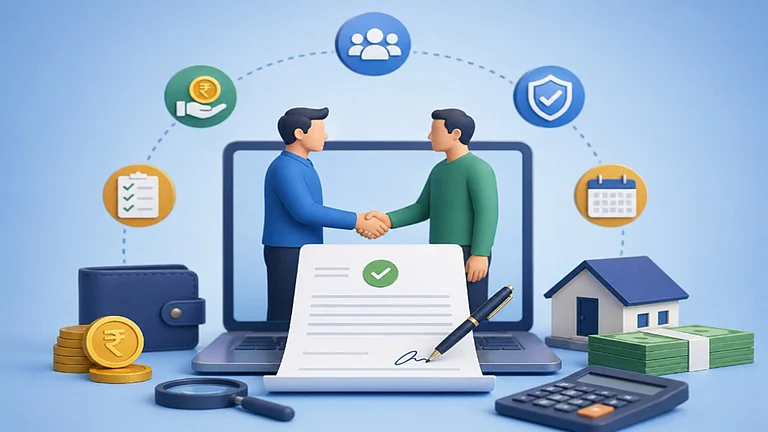
Why Underwriting Is More Important Than Instant Approvals
The safest loan isn’t the fastest. It’s the one people can actually repay without losing sleep or scrambling to cover EMIs. Real responsibility starts with solid underwriting. That means lenders need to go beyond just saying yes. They need to ask: Can this borrower handle this loan without hurting their finances?
There’s more to this than a simple credit score. You have to look at income, ongoing EMIs, family expenses, job stability, banking habits, how they’ve handled debt before all of it. Tools like FOIR, income-to-obligation ratios, and actual repayment behavior matter a lot more than a number on a report.
That’s the real safety net. Going faster doesn’t make loans better. Understanding borrowers does.
P2P Lending’s Unique Advantage
P2P lending does something different. It lines up the interests of borrowers, lenders, and the platforms themselves. When traditional banks lend, it’s their money. With P2P, it’s regular people lending to other people. That puts more pressure on the platform to really check if borrowers can pay back, to be honest about the risks, and to give everyone all the facts.
Advertisement
“So, the incentive’s stronger: good underwriting, honest risk assessment, real transparency. The goal isn’t to flood the market with loans. It’s to approve the right ones,” says Parsuramka.
What Real Safer Borrowing Looks Like?
For borrowers, a safer loan means the platform actually checks if they can afford it, not just blitzes through approvals. The question shifts from “How fast can we lend?” to “Should this borrower even take out this loan, and how much makes sense for them?”
That matters. Matching people with loans they can truly handle protects them far more than instant approval based on shaky info. Lending is about fit, not just speed.
So, Does P2P Lending Make Borrowing Safer?
“Safer borrowing isn’t about the name of the model, it’s about how responsibly it’s implemented. The real difference lies in the checks, transparency, and lending practices behind it. But if the platform does deep checks, tells the truth about risks, and cares about lending the right amount to the right people, P2P can help set higher standards,” says Parsuramka.
Advertisement
As personal loans keep booming in India, it’s not enough to just make them available to more people. What will really count is whether people get the credit that actually fits their needs and their ability to pay. In that sense, the real power of P2P isn’t moving faster. It’s making borrowing more open, careful, and fair for everyone involved.
Show comments
Published At: