Know your tax regime before the Budget speaks — last-minute switches often lead to costly mistakes.
Ensure health insurance keeps pace with medical inflation, not premiums bought years ago.
Get your investment paperwork in order so you can act the moment rules or deductions change.
Align investments with life goals, not just tax savings, to build long-term security.
Budget 2026: 5 Financial Checks Every Middle Class Family Should Do Now
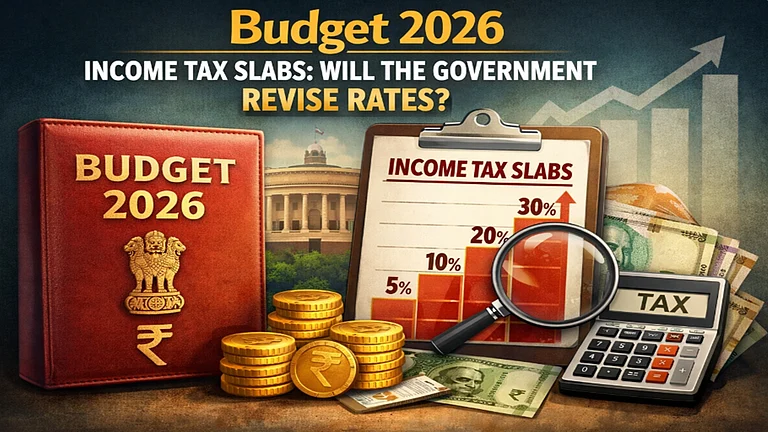
As Budget 2026 approaches, the real advantage lies not in reacting to announcements but in preparing ahead. From tax choices to insurance and investments, these five checks can help middle-class families turn Budget proposals into real financial gains.

Summary
Advertisement
Every Union Budget brings a sense of anticipation for middle-class families. Headlines speak of tax relief, higher deductions, and better savings opportunities. But once the excitement settles, many households realise that the real impact of the Budget depends less on what is announced and more on how prepared they were before those announcements arrived.
The Pre-Budget Mindset
Millions of Indian families wait for the Finance Minister’s speech, read headlines, and then scramble - filing forms, making last-minute investments, trying to optimise decisions they should have made months earlier. This reactive approach costs them in ways they rarely calculate: missed deductions, suboptimal tax choices, insurance gaps, lost investment opportunities, and emergency funds that remain theoretical rather than actual.
The families who benefit most aren’t the wealthiest - they’re the ones who do their financial homework before the Budget arrives.
Here are five checks every middle-class family should complete now to ensure they’re ready for Budget 2026.
Advertisement
Check 1: Calculate Your Tax Position Under Both Regimes
Many families operate on autopilot, neither calculating which tax regime benefits them nor actively choosing. A single oversight can cost tens of thousands annually.
“Budget season is not about reacting to announcements,” says Sanjiv Bajaj, Joint Chairman and MD at BajajCapital. “It’s about understanding your financial position, so you can make decisions that actually work for your life and goals.” Use online calculators or a tax advisor to compare regimes. Don’t wait until announcements create pressure - decisions under stress often stick all year.
Check 2: Review Health Insurance Adequacy
Medical inflation is 13–14 per cent annually. A policy bought three years ago may now be inadequate. Check your sum insured against current medical costs, factoring in room rent caps, sub-limits, and co-pay clauses. Experts advise middle-class families to aim for Rs 10–15 lakh per person or Rs 20–25 lakh family floater. Budget 2026 may enhance deductions under Section 80D, but only if you’ve already upgraded your coverage.
Advertisement
Check 3: Organise Investment Documentation
Scan and save ITRs, Form 26AS, health and life insurance premiums, PPF/ELSS statements, and home loan interest certificates. A simple naming convention saves frantic searches later. When the Budget announces new deductions or deadlines, you’ll act immediately rather than scramble.
Check 4: Review Investment Allocation
Many invest just to save tax. Step back: Are your investments aligned with actual goals like children’s education, retirement, and home purchase? Have you diversified adequately? Emergency fund, insurance, then systematic investments aligned with goals - that’s the right sequence.
Check 5: Understand Your Actual Tax-Saving Gap
Most families overestimate how much a Section 80C/80D investment is needed. Calculate your existing coverage: EPF, insurance premiums, and home loan principal. The difference is what you truly need to invest to optimise deductions.
When Preparation Meets Opportunity
Budgets provide frameworks. Financial security comes from preparation. Hope waits for announcements; preparation positions you to benefit today and for decades.
Advertisement
Sanjiv Bajaj adds, “Preparation compounds. Families who prepare thoughtfully don’t just react to announcements - they leverage them. That advantage grows over time. The Finance Minister will speak on February 1, 2026. The question is: Are you ready?”
Show comments
Published At: