Verify, don’t assume: Personally check RERA registration, approved plans, timelines, and quarterly updates on the state portal.
Documents over promises: Marketing material and verbal assurances carry no legal weight - only RERA-filed documents do.
Act early, not late: Approach RERA at the first sign of delay or deviation; waiting weakens enforcement leverage.
Prepare for execution: Winning a RERA order is only half the battle - follow through on execution and allied legal remedies.
RERA Pitfalls Homebuyers Must Watch For in 2026 And How To Resolve Disputes
RERA has strengthened buyer protection, but awareness gaps and execution hurdles continue to expose homebuyers to avoidable risks. As disputes grow more complex in 2026, informed use of RERA - rather than blind faith in it - will determine outcomes.

Summary
Advertisement
For many middle-class families, buying a home is the culmination of a lifelong dream—built on years of savings, compromises, and sacrifices. While the Real Estate (Regulation and Development) Act (RERA) promised transparency and accountability, thousands of homebuyers continue to find themselves trapped in situations they never anticipated.
As 2025 draws to a close, the conversation has evolved significantly. The once-basic question - “Is this project registered under RERA?” - has given way to a more informed and assertive one: “Am I genuinely protected under RERA in this project, and do I know how to effectively use those protections?”
RERA has definitely brought about a dramatic change in the real estate landscape. “In 2024, the real estate regulatory authorities in different states had together disposed of approximately 1,25,000 consumer complaints, which indicates that when buyers approach the regulator, they can receive time-bound relief. Still, the sheer number of complaints is an indicator of the lack of awareness among the buyers regarding their rights and developers continue to exploit this situation. RERA's presence in 2025 does not guarantee anything; rather, the danger is in the misconceptions regarding the automatic guarantees of RERA,” says Ashwini Kumar, Advocate & Founder of My Legal Expert (MLE).
Advertisement
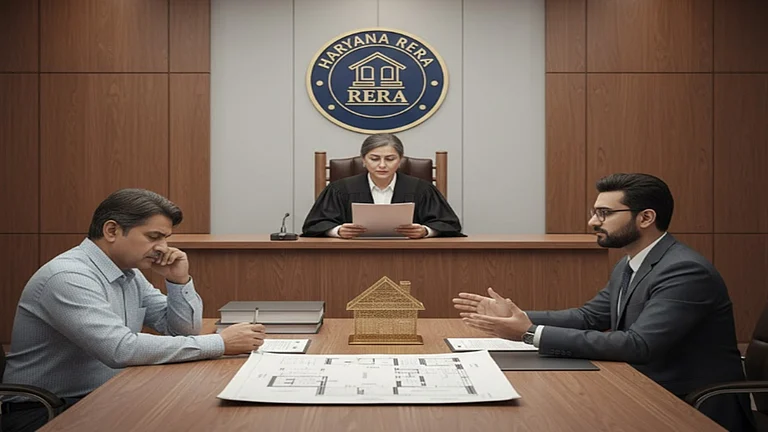
One of the biggest mistakes homebuyers make today is investing in projects that are either not registered with RERA or are promoted without clearly disclosing their registration status. Buyers often believe that any project that is visible on the portals or is backed by the brokers is “RERA-approved,” and they get disappointed to find out during disputes that the protection they counted on is either limited or not applicable.
A further trap is the naive belief in the marketing materials, the display apartments, and the promises made by builders. RERA is based on the idea that the official documents, approved plans, actual area, dates, and step-by-step construction schedule are the legal reality, not the promo. Nevertheless, buyers continue to focus on super built-up areas, clubhouses “coming soon”, and future infrastructure promises, rather than what is actually filed with the authority.
Advertisement
“When disputes arise regarding the delay of the project, changes in the layout of the project, or non-provision of facilities, the authority and the courts will first refer to the RERA-registered documents and not the sales pitch. Most importantly, buyers must see the actual agreements they end up signing with the builders,” suggests Kumar.
In the year 2025, delays in possession continue to be the biggest cause of complaints, but a new layer of complaints has arisen; buyers are caught in between RERA orders and execution. Getting a favourable decision and actually getting the money back or getting possession of the property can be two very different journeys. The buyers frequently are taken by surprise when they realize that it is necessary to follow up on execution proceedings, to go to appellate tribunals, or to synchronize RERA orders with concurrent consumer or civil litigation.
“Homebuyers have to sort out this confusion with a newly structured approach. First and foremost, treat RERA registration as unbendable: double-check the project’s registration number on the state RERA website personally, and take a look at the approved plans, construction milestones, and quarterly progress reports. Secondly, record everything - emails, WhatsApp conversations, payment receipts, site photographs - and keep a clear timeline of events. If things go awry, these records can significantly bolster a complaint,” says Kumar.
Advertisement
Third, make use of RERA early, and not as a last resort. There are many cases where buyers have to wait for years to get possession of the property just because the seller made informal promises of “next quarter,” and, in the meantime, they lose the opportunity to put pressure on the developer through the regulator when it would have the most impact.
The authorities have shown that they are ready to impose penalties for non-registration, order interest for delay, and, in certain cases, even direct refunds, but they can only do that when buyers make formal complaints to them. A coordinated strategy, sometimes mixing RERA with consumer forums or criminal cases in situations of clear cheating, can generate much more power than isolated action.
Lastly, buyers should understand that RERA is changing, and so should their expectations. “Statistics from places like Maharashtra indicate that complaints are gradually being pushed from old, pre-RERA projects to new, registered ones, which means that enforcement is effective but also that conflicts around timelines, modifications, and force majeure are becoming more common. This scenario makes legal literacy, not just psychological optimism, crucial to secure homeownership,” says Kumar.
Advertisement
The shift in mindset required as a guiding principle is clear: do not merely ask whether a project is registered under RERA - ask how you will use RERA from day one. Today, a sophisticated, rights-conscious buyer is the strongest defence against old problems repackaged in new regulatory language.
Show comments
Published At: