Financial readiness needs sustainable income, not just corpus size.
Health is wealth, and thus, preventive care can significantly beat rising medical costs.
Emotional prep builds identity beyond job titles and routines.
What It Truly Means To Be Retirement-Ready
India’s biggest risk post-retirement is rising medical costs. Add longevity to that, and health readiness becomes essential

Summary
Advertisement
By Dr K.S. Rao
Retirement is not an event, it is a state of readiness. For most people, retirement planning begins and ends with one question:
“How much money do I need?”
But this is only one part of the story.
The truth is that retirement readiness is multi-dimensional. You are not ready for retirement simply because you have built a corpus. You are ready only when your money, mindset, lifestyle, health, and purpose are all aligned to support the next 20–30 years of your life.
In The Retirement Planning Manifesto, I describe retirement readiness as a holistic journey — one that must be understood emotionally, mentally, and financially.

The 5 Dimensions of Retirement Readiness
Let’s decode what it truly means to be retirement-ready in the Indian context.
1. Financial Readiness: The Foundation Of Independence
Financial readiness is the most visible, but not the only part of retirement prep.
Advertisement
It includes:
• A well-defined corpus
• A sustainable income strategy
• Inflation-adjusted planning
• Emergency fund and insurance
• An asset allocation aligned to your life-stage
But financial readiness is not only about wealth; it is about cash flow confidence.
In retirement, the question shifts from:
“How much wealth do I have?” → “How long will my income last?”
A retirement-ready individual can answer this confidently.
2. Health Readiness: Your True Retirement Asset
Wealth can finance good healthcare — but it cannot buy good health.
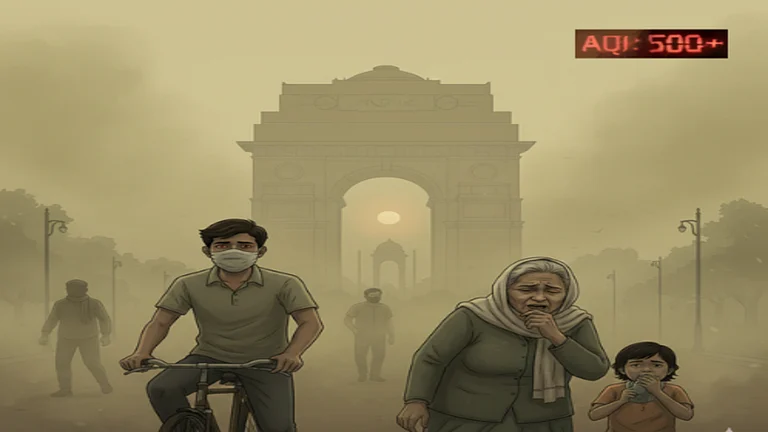
India’s biggest risk post-retirement is rising medical costs. Add longevity to that, and health readiness becomes essential.
This includes:
• Preventive health habits
• Regular screenings
• Adequate health insurance and critical illness cover
• Fitness and nutrition routines
• Physical and mental well-being practices
Remember:
Your financial plan fails instantly if your health fails suddenly.
Advertisement
3. Emotional Readiness: The Transition From Role To Identity
Retirement ends formal responsibilities but opens emotional vulnerabilities.
Many retirees struggle not because of money, but because they suddenly lose:
• Structure
• Identity
• Social interaction
• Professional relevance
A retirement-ready person proactively builds:
• A network beyond the workplace
• A sense of self not tied only to job title
• Hobbies, passions, and routines
In my workshops, I often say:
“Retirement readiness begins the day you stop introducing yourself only by your designation.”
4. Social Readiness: The Power Of Relationships In Longer Life
As people live longer, loneliness is emerging as the new elderly epidemic.
Social readiness means:
• Investing in relationships
• Staying connected with family and friends
• Joining communities, interest groups, or volunteer networks
• Having a support system in times of need
A rich social life extends your lifespan — and your life satisfaction.

Advertisement
5. Purpose Readiness: Why Your Next Chapter Matters
The happiest retirees share one thing — a sense of purpose.
Purpose could mean:
• Consulting
• Teaching
• Mentoring
• Volunteering
• Spiritual pursuits
• Entrepreneurship
• Creative arts
Purpose gives structure to your days and meaning to your years.
As I say in the book:
“Retirement is not about what you leave behind. It is about what you move toward.”
The REACH Model: A Simple Diagnostic for Every Indian
To simplify these dimensions, I propose the REACH model for retirement readiness:
R – Resources (Financial Readiness)
E – Emotional Wellbeing
A – Active Health
C – Community & Relationships
H – Higher Purpose & Meaning
Score yourself from 1 to 5 in each area.
A total score of 20+ indicates strong retirement readiness.
A score under 15 signals a need for structured planning.
This self-assessment brings clarity to what used to be a vague idea.
Advertisement

Why Most People Are Financially Ready But Emotionally Unready
The Indian workforce invests heavily in creating income — but very little in creating identity beyond work.
As a result:
• Many fear retirement
• Many delays retirement
• Many feel lost after retirement
Retirement readiness demands that one prepare for the inner transition, not just the financial one.
The Retirement-Ready Mindset
A retirement-ready person embraces three truths:
1. They take ownership
“My retirement is my responsibility.”
2. They value freedom over dependence
Not relying on children, employers, or luck.
3. They focus on sustainability, not short-term returns
Because retirement is not a sprint — it is a marathon.
Why This Matters For A Viksit Bharat
India is moving rapidly toward becoming a developed nation. A financially independent senior population is essential to:
• Reduce pressure on families
• Reduce burden on public health and welfare systems
Advertisement
• Improve economic participation
• Strengthen social stability
Closing Thought
Retirement readiness is not just a personal milestone.
It is a collective transformation for India’s future.
Retirement Readiness Is Not About Having More — It Is About Being Prepared
You are retirement-ready when your -
• Mind is calm
• Health is stable
• Finances are predictable
• Relationships are strong
• Purpose is clear
Retirement is not the end of work.
It is the beginning of the work you choose to do.
(Disclaimer: Views expressed are the author’s own, and Outlook Money does not necessarily subscribe to them. Outlook Money shall not be responsible for any damage caused to any person/organisation directly or indirectly.)
Show comments
Published At: