Delhi AQI crosses hazardous level, damages lungs, heart, brain, and immunity.
82 per cent Delhi-NCR residents know someone with severe air pollution health issues.
Children, senior citizens, pregnant women among those facing highest health risks.
Delhi Air Pollution Reaches Hazardous Level: Health Risks And What You Can Do
Delhi's air is becoming unbreathable, with an Air Quality Index (AQI) around 500. Air pollution is at a hazardous level, requiring immediate action and long-term planning. While the damage may not be immediately visible, it is slowly weakening your body

Summary
Advertisement
Delhi's air quality is deteriorating rapidly. With an AQI of around 500 on Monday, December 15, 2025, the air pollution crisis demands both immediate action and a long-term action plan. Every year, the issue surfaces during the winter months, and temporary measures such as online classes and restricted vehicle movement are implemented. However, the issue is often forgotten until the next winter.
The matter is of serious concern. It is evident from the fact that worsening air pollution is being proposed for discussion in Parliament, and an air pollution-related plea is to be heard in the Supreme Court on December 17, 2025.
A bench comprising Chief Justice Surya Kant, Justice Joymalya Bagchi, and Justice Vipul M. Pamcholi will hear the plea. Per the PTI, earlier the bench had stated that "the case will be taken twice a month to find out short- and long-term solutions to the menace."
Meanwhile, a survey conducted recently by LocalCircles, the community platform, found that 82 per cent of the Delhi-NCR residents know at least one person in their close network suffering from a severe health condition due to long-term exposure to the toxic air. This number goes up as 28 per cent of the respondents reported knowing four or more such individuals grappling with air pollution-related medical issues.
Advertisement
The survey collected responses from 34,000 individuals across Delhi-NCR, and reveals that 73 per cent of the respondents feel anxious about affordable healthcare for their families if they continue living in the region. And around 8 per cent of people intend to move out of Delhi-NCR permanently, due to the toxic air quality.
What Is AQI?
The Central Pollution Control Board (CPCB), the government agency for preventing and controlling water and air pollution, define air quality using the US-EPA 2016 standard. The air quality index or AQI is a number that suggest the quality of air. CPCB categorises the AQI between 0-50 as good, 50-100 as moderate, and beyond this mark, a risk to health.

Though the hazardous level of AQI is being discussed, by the time a concrete action is taken, it will have taken away a few years of the lives of people who happen to live here.
How Dangerous Is This Air Pollution For Your Health?
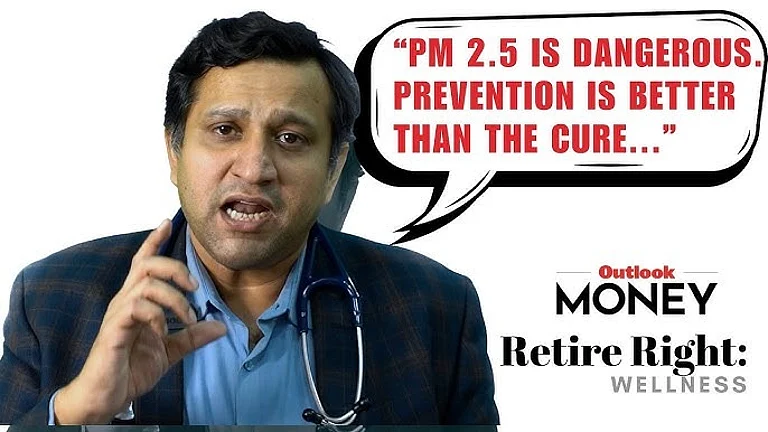
Dr Nikhil Modi, Senior Consultant, Respiratory and Critical Care, Sleep Medicine, Indraprastha Apollo Hospitals, “Rising air quality index levels affect far more than just the lungs. While respiratory problems such as asthma, bronchitis, chronic obstructive pulmonary disease, and lung cancer are well known, polluted air also harms the heart, brain, and other organs. Fine particles enter the bloodstream through the lungs and increase the risk of heart attacks, strokes, irregular heartbeat, and high blood pressure.”
Advertisement
Long-term exposure can be linked to diabetes, reduced kidney function, weakened immunity, and it can also affect the brain and memory, reducing concentration and increasing anxiety and depression. Overall, air pollution is a whole-body problem, not just a respiratory concern, he adds.
Who Are The Worst Affected?
Senior citizens, children, pregnant women, and people with low immunity are at a higher risk.
Modi says, “Children are among the worst affected because their lungs and immune systems are still developing, and they breathe more air relative to their body weight. Elderly people, especially those with existing heart or lung conditions, are at higher risk. Air pollution can also affect pregnant women and fetal development, people with asthma, heart disease, diabetes, or other chronic illnesses.”
Many other people are also highly affected due to the nature of their work, such as traffic police, construction workers, delivery personnel, etc.
Advertisement
What Can You Do To Keep Your Health Protected?
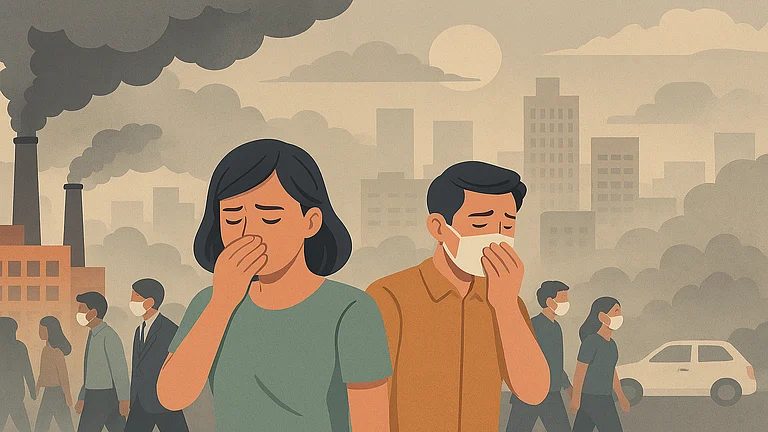
Dr Mukesh Goel, Senior Consultant, Cardiothoracic and Cardiovascular Surgery, Heart and Lung Transplant Surgery, Indraprastha Apollo Hospitals, advises, “To minimise health risks from poor air quality, especially from a heart and brain perspective, it is important to focus on both exposure reduction and protective habits. Limiting outdoor exposure during high pollution hours and wearing a properly fitted N95 mask can help reduce inhalation of fine particles that affect the cardiovascular system. Also, it is important to manage and strictly control blood pressure, blood sugar, and cholesterol, along with regular medication adherence.”
One needs to avoid morning or evening walks when the AQI is high, as it can do more damage than the benefits from a walk. One should also consciously include fruits, vegetables, and food rich in antioxidants to improve immunity and stay well-hydrated.
Advertisement
In addition to this, one can also use an air purifier at home or use air purifying plants, such as snake plant, money plant, Philodendron, and so on, to keep the air cleaner inside the home at no cost.
This air pollution may not remain a one-time health issue but turn out to be a chronic issue requiring frequent visits to the doctor during this time of the year. So be prepared for it and check if your health insurance covers the OPD.

Dinesh Mosamkar, Senior VP - Consumer Underwriting, TATA AIG General Insurance, says, “Prolonged exposure to elevated AQI levels can necessitate recurring medical intervention, which may result in an increase in OPD visits or, in more severe cases, hospitalisation. Indemnity-based health insurance policies generally cover hospitalisation expenses arising from such conditions, while OPD coverage varies across insurers.”
While one person may be more prone to AQI-related health issues than the other, high AQI remains hazardous for everybody. Until it reduces, protect yourself.
Advertisement
Show comments
Published At: