Government plans centralised asset records to aid recoveries.
Banks asked to strengthen oversight of pending DRT cases.
High-value recovery cases and Lok Adalats remain focus.
Government, Banks Work On Framework To Track Movable Assets Of Loan Defaulters
Banks may soon get faster access to information on movable assets linked to defaulters as the Centre works on a new recovery framework

Summary
Advertisement
The central government is working with banks on a framework to create a centralised mechanism for sharing details of movable assets linked to defaulting borrowers when debt tribunals issue attachment orders. The move is aimed at helping lenders recover dues faster and reducing delays in recovery proceedings.
According to a bank official who spoke to The Economic Times, banks have been directed to strengthen monitoring and oversight mechanisms for cases pending before Debt Recovery Tribunals (DRTs). The official has stated that these measures are expected to speed up the disposal of recovery cases and improve outcomes in stressed loan accounts.
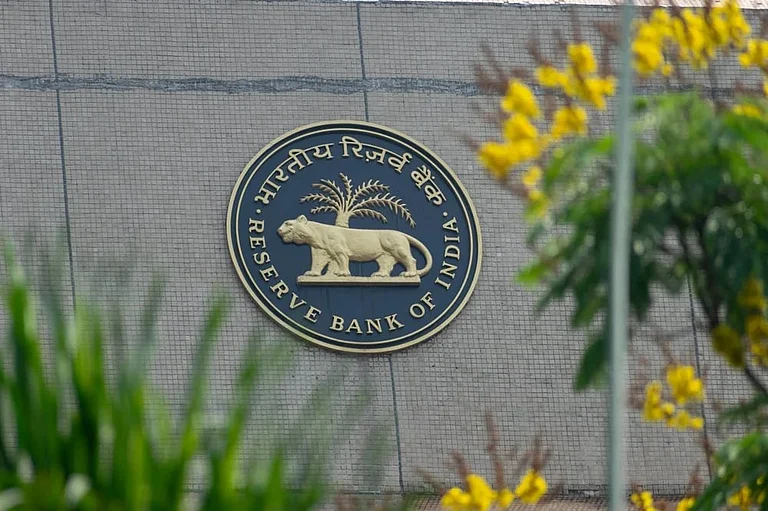
Centralised System Under Consideration
At present, banks approach recovery officers at debt tribunals to identify movable assets that can be seized to recover outstanding dues. After identifying such assets, recovery officers issue attachment orders and communicate them to the concerned lenders.
However, the process is often lengthy as there is no centralised platform where lenders can access information on movable assets linked to defaulting borrowers. Banks currently rely on separate channels to obtain these details, which can delay recovery efforts.
The proposed framework is considering creating a centralised platform which would contain all records of movable assets linked to loan defaulters, which could potentially help banks access information faster and speed up the recovery of unpaid dues.
Advertisement
Push To Reduce Backlog At Tribunals
The initiative comes amid ongoing efforts to reduce the large number of pending cases before DRTs and Debt Recovery Appellate Tribunals (DRATs).
Earlier this year, Finance Minister Nirmala Sitharaman had stated that four Special Lok Adalats would be organised in 2026 to help dispose of pending cases before DRTs and DRATs. Government data shows that nearly 71 per cent of pending cases involve claims of Rs 100 crore or more.
Last month, the government convened a colloquium of chairpersons of DRATs and presiding officers of DRTs. Discussions focused on ways to reduce pendency and improve the pace of case disposal.
According to a finance ministry statement, participants highlighted the need for capacity building and infrastructure strengthening through targeted training programmes. Tribunals were also encouraged to adopt practices followed by high-performing DRTs.
Focus On Faster Recoveries
The Centre has also asked lenders to prioritise high-value recovery cases and make greater use of Lok Adalats as an alternative dispute resolution mechanism.
The proposed framework for sharing information on movable assets is expected to complement these measures by helping lenders access relevant information more quickly and pursue recovery proceedings with fewer delays.
Advertisement
Show comments
Published At: