Early diagnosis of dementia helps delay cognitive decline.
Dementia cases in India may reach 16.9 million by 2036.
Healthy lifestyle choices significantly lower dementia risk.
Dementia Care For Elderly: Early Signs, Prevention, And How Families Can Provide Care
Alzheimer’s is a type of Dementia. People suffering from the disease start losing their cognitive abilities and tend to forget daily routines, making them dependent on others. Learn what families can do to take care of an elderly family member suffering from Alzheimer’s disease

Summary
Advertisement
World Alzheimer’s Day is observed every year on September 21 to spread awareness and reduce stigma around the disease. This year, the day’s theme is “The Earlier You Know, The More You Can Do: A Dementia Diagnosis Matters”.
This theme emphasises that cognitive decline can be delayed if the disease is diagnosed early. For this, people should be aware of the symptoms and willing to break the stigma by seeking timely intervention from medical practitioners.
Usually, ageing is linked to physical health issues, but mental health issues remain largely ignored. Today’s nuclear family societal structure, aided by a lack of financial security, stands out as a leading reason for loneliness among the elderly. These socio-economic factors can give rise to mental and cognitive health issues, including forgetfulness, depression, and so on.
Awareness Gap
According to Dr. Ritu Rana, mission head – healthcare, HelpAge India, a non-governmental organisation (NGO), “There is also a significant awareness gap. Memory loss is often considered a normal part of ageing, and early symptoms may be ignored until they begin to interfere substantially with daily life. Families may also hesitate to seek help because of stigma, fear, or a lack of understanding about dementia and other cognitive conditions.”
Advertisement
While Dementia is often linked to memory loss and changes in the ability to speak and express thoughts, Alzheimer’s is only one type of dementia, where damaged brain cells lead to memory loss and difficulty in thinking and reasoning ability, and the person starts losing independence.
What Is The Difference Between Alzheimer’s Disease And Dementia?
Says Dr. Aparna Gupta, Director, Neurology, ISIC Multispeciality Hospital: “Dementia is not one disease. It is a general term that applies to a cluster of symptoms that involve memory, thinking, behaviour, and the ability to do daily activities. About 60-70 per cent of people suffering from dementia have Alzheimer's Disease. It is the “umbrella disease,” and Alzheimer's is one type of dementia. However, not all dementias are Alzheimer's, and other types are vascular dementia, Lewy body dementia or frontotemporal dementia.”
Are Dementia Cases Rising In India?
According to a 2023 AIIMS-USC study, the number of elderly in India living with dementia could rise from around 8.8 million to 16.9 million by 2036. This would mean these people will become dependent on others for care, even for daily activities.
Advertisement
Gupta says, “Dementia is increasingly becoming a growing problem in India, especially among those above 60. The increase is primarily attributed to improved awareness and diagnosis, as well as longer lifespan and increasing prevalence of diabetes, hypertension, obesity, heart disease, and other factors. Dementia can occur at any age, although it is most likely to occur in older adults.”

Red Flags To Notice The Onset Of Dementia
Although dementia is generally linked to forgetfulness, this is not the only symptom. When memory loss is accompanied by other symptoms, it can only be diagnosed as dementia. These other symptoms include repeated questions, memory lapses of recent discussions, forgetfulness of daily activities, mood changes, difficulty in finding words in conversations, getting lost in familiar settings, and financial issues, says Gupta, and adds, “Early signs of dementia can be very subtle and may be confused with typical ageing due to these symptoms. However, if these symptoms continue and start to affect the person's ability to function normally, a neurological evaluation should NOT be postponed. There are treatments available for some dementia types, such as Alzheimer's, that may slow down the disease for up to 40 per cent in eligible people. Patients who are diagnosed early can benefit from this treatment, and good long-term management and quality of life.”
Advertisement
Prashanth Reddy, Founder & MD, Anvayaa Kin Care, an elder-care platform, said, “The key message for families is not to wait until memory loss becomes severe. Early assessment creates an opportunity to understand what is happening, identify potentially reversible contributors, plan care and safety, and involve the person in decisions about their future while they can still participate fully.”
How Should Families Take Care Of The Family Member With Dementia?
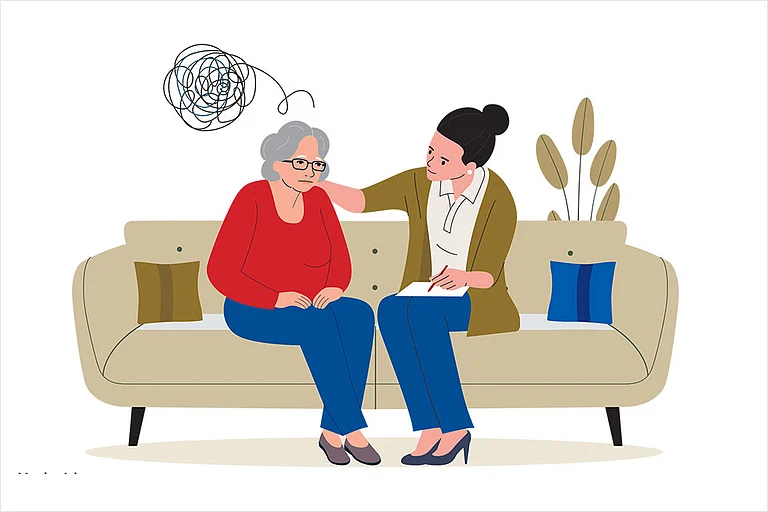
At times, when an elderly family member shows the signs, other members in the family may find their behaviour irritating and sometimes may think that it’s intentional, while it is not. The sudden loss of words or asking for the same things again and again could be due to the onset of dementia.
Reddy says, “A useful rule for families is: do not focus only on whether the person forgets; look at whether cognitive changes are beginning to affect everyday functioning. If dementia is diagnosed, care should be person-centred rather than diagnosis-centred. Families should understand who the person is, what they can still do, what matters to them, what difficulties they are experiencing, and what support will help them remain independent.”
Advertisement
Gupta suggests, “Families should consult a neurologist for proper evaluation and diagnosis of their family members if dementia is suspected. With the diagnosis comes patience and emotional support. Create basic, routine activities, set reminders and/or labels throughout the home, and make the home environment safe to prevent falls or wandering out. Do not argue with the person if he/she is confused, and use simple sentences while talking down. Keeping them physically active, socially connected, and mentally stimulated can help maintain independence. Caregivers should also get support for themselves, as caring for someone with dementia can be emotionally draining.”
The key lies in striking the right balance between supporting such older adults and preserving their autonomy. “Families naturally want to protect their older loved ones, particularly when there are health concerns or cognitive changes. But sometimes, with the best of intentions, protection can become overprotection; family members start making decisions on behalf of the older person without first asking what they want. We should therefore “ask, not assume.” Even when they need assistance, we should distinguish between supporting a decision and making the decision for them,” says Rana.
Advertisement

Preventive Measures To Reduce The Risk Of Developing Dementia
Says Gupta: “Although some forms of dementia can't be prevented, there are some healthy lifestyle choices that will help lower the risk.”
She suggests regular physical activity, a balanced diet including fruits and vegetables and whole grains, good sleep habits, and maintaining blood pressure, diabetes, and cholesterol at healthy levels. Further, engaging in activities that keep the mind active, such as reading, puzzles, learning new skills, and staying socially active, can also be beneficial to brain health. Also, reducing smoking and alcohol consumption, and early intervention in hearing loss, depression, and other health issues could further help in reducing the risk of cognitive decline.
Finally
A healthy lifestyle and prudent financial planning can help in maintaining good physical, mental, and cognitive health. Dementia requires extensive care for the person living with it, which means more financial resources, time, and effort.
Advertisement
Reddy agrees, saying, “The overall economic burden of dementia increases as the severity of the condition increases. Unpaid family caregiving also represents a substantial part of the overall cost.”
Rana emphasises involvement of different stakeholders, saying, “Creating an age-friendly society is not the responsibility of any one individual. It requires families, communities, society, and policymakers to work together to build an environment where every older person can lead an independent life and live with dignity, good health, and freedom from poverty.”
So, if you see an elderly person in your family, less socially active, becoming forgetful, repeating the same questions or thoughts, don’t ignore, don’t assume, don’t irritate, and more importantly, don’t make decisions on their behalf. Instead, consult a doctor for a diagnosis and to stop or delay the cognitive decline.
Show comments
Published At: