PFRDA is expected to launch the health-focused NPS Swasthya scheme in 30 days.
It allows subscribers to fund medical care from retirement savings.
The remaining corpus continues to grow if health funds are unused.
NPS Swasthya Scheme May Launch In 30 Days, PFRDA To Issue Final Guidelines Soon
The PFRDA’s NPS Swasthya scheme is likely to be launched in the next 30 days. During the Global Fintech Fest 2026, PFRDA chairperson S Ramann announced that the final guidelines for the product are being finalised, after which the product will be formally launched

Summary
Advertisement
The Pension Fund Regulatory and Development Authority (PFRDA) will launch the healthcare–oriented ‘NPS Swasthya’ scheme in the next 30 days. PFRDA chairperson S Ramann said at the sidelines of the Global Fintech Fest 2026 that the scheme’s final guidelines will be released in a few days, after which the scheme will be launched. The product will work under the National Pension System (NPS) architecture and allow subscribers to allocate a certain portion of their retirement corpus for healthcare expenses, which can be withdrawn when needed, whereas the remaining corpus will continue growing as retirement investments.
NPS Swasthya has been introduced first as a proof of concept (PoC) under PFRDA’s regulatory sandbox framework to evaluate how an integration of health benefits and pension savings can work together. PFRDA noted an encouraging response from the trial, which prompted it to finalise the product design. The central recordkeeping agencies (CRAs) are currently working on backend integration to support the rollout roughly within 30 days.
Advertisement
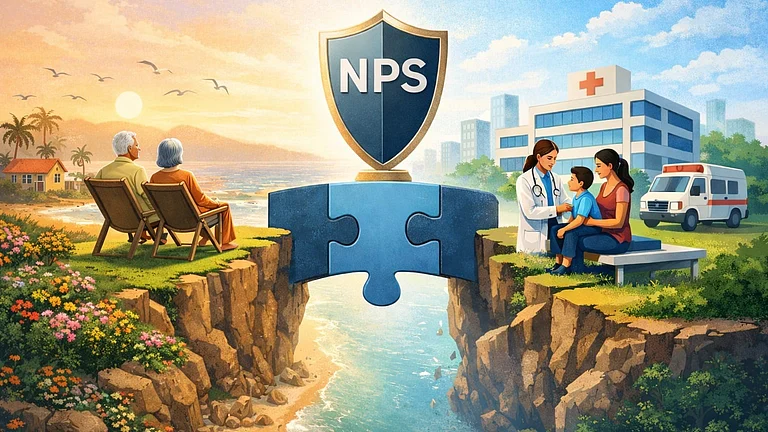
NPS Swasthya
NPS Swasthya focuses on establishing a direct and hassle-free process to access money for health needs when required. The process will involve pension accounts, insurance companies, and medical providers. According to a report by ANI, the money will be released directly from the subscriber’s pension account to the medical provider/hospital. The PoC framework also includes a health insurance top-up, for which the premium will be deducted directly from the NPS Swasthya Account.
The health-benefit administration, which will work along with the insurance company, will send the top-up coverage details to the hospital when medical costs exceed the available portion of the pension corpus.
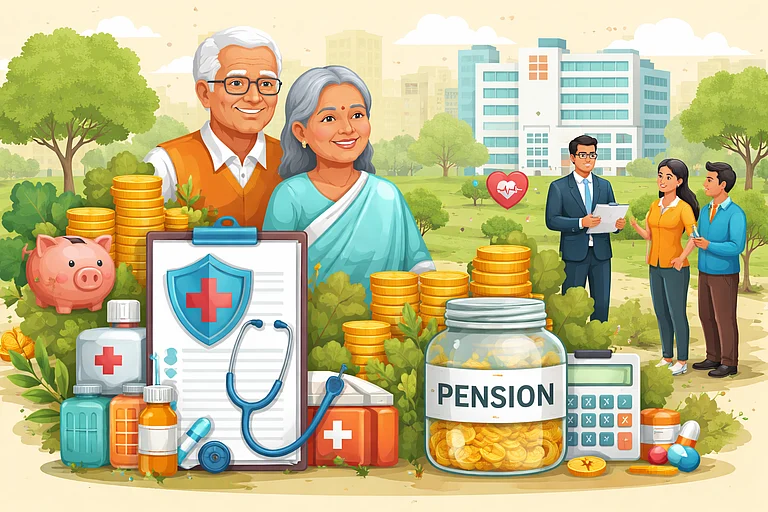
The scheme is different from insurance, as the funds in the scheme will keep growing for pension purposes if not withdrawn. So, if a subscriber remains healthy and doesn’t require hospital care, the funds will remain invested and compound through market returns.
Advertisement
Under the NPS framework, pension funds will act as master policyholders; they will partner with insurance providers to create bundled products. They will be required to develop competitive offerings and allow subscribers to choose among options based on the health and pension benefits provided to them.

The product was first launched in January 2026 as PoC-1 under regulatory sandbox (as a pilot project for a restricted number of subscribers and a defined evaluation period). Based on the feedback, the second PoC (PoC-2) was launched in April 2026. In July this year, Ramann indicated the scheme’s rollout in the next 60-70 days, and now it is expected to be formally launched for all subscribers in the next 30 days.
This product is expected to enable subscribers to take out money from the scheme partially for medical expenses instead of liquidating their retirement savings entirely.
Advertisement
Show comments
Published At: