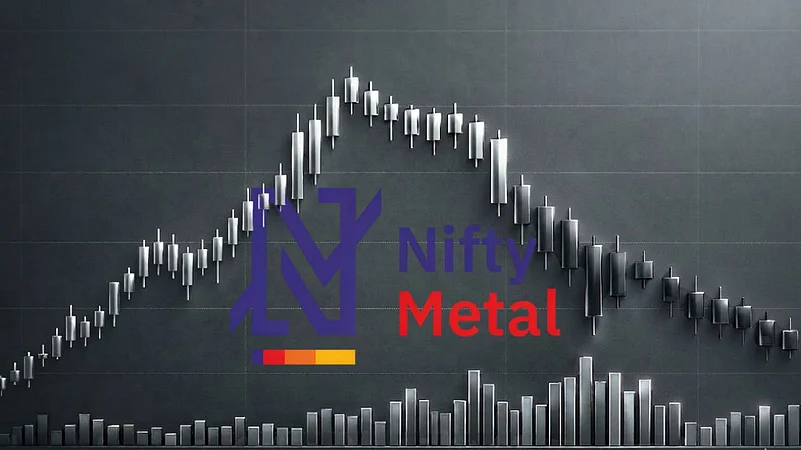

The Nifty Metal index tumbled 4.82 per cent to close at 11,292.50 on March 13, 2026, its biggest single-day fall since April 2025, as all 15 constituents of the index closed deep in the red.
Leading the decline, Jindal Steel and Hindalco fell 6.50 per cent and over 6 per cent, respectively. Hindustan Copper, Hindustan Zinc, Tata Steel, National Aluminium, Lloyds Metals And Energy, Jindal Stainless, and Welspun Corp also fell 5-6 per cent each. Vedanta and JSW Steel fell around 4.50 per cent. Other metal stocks, such as APL Apollo Tubes, SAIL, NMDC, and Adani Enterprises closed 2-3 per cent lower.
Why Metal Stocks Fell Today
Analysts said the sell-off in metal stocks was driven by a mix of global factors, including rising energy prices, a strong dollar, and signs of weakening demand.
Rising Crude Oil Prices
The sell-off was largely triggered by escalating tensions in West Asia, which pushed crude oil prices above $100 per barrel and raised fears of higher input costs for metal producers. As of 4:10 pm, Brent crude futures were trading at $100.34 per barrel, while the US benchmark West Texas Intermediate (WTI) crude was at $94.80.
Sachin Gupta, vice president of research at Choice Broking, said the spike in energy prices has raised concerns over production costs. “The sharp rise in energy prices has raised concerns about a possible gas supply crunch, an essential input for metal production. This has intensified fears of rising operational costs and potential margin pressure for metal companies,” Gupta said.

Sachin Jasuja, head of equities and founding partner at Centricity WealthTech, said: “A strengthening dollar has been one of the primary culprits. Since metals are globally priced in dollars, a firmer greenback makes commodities more expensive for foreign buyers, compressing demand and pushing prices lower.”
The US Dollar Index, which measures the greenback against the world’s six major currencies, was 0.40 per cent up at 110.15. Since the launch of the US-Israel joint offensive against Iran on February 28, the index has surged 2.65 per cent.
Weak Demand Signals From China
Demand concerns from China, the world’s largest consumer of metals, also added to the negative sentiment. On the Shanghai Futures Exchange, zinc fell 0.41 per cent, copper declined 0.31 per cent and tin dropped 1.29 per cent.
Ajit Mishra, senior vice president of research at Religare Broking, said: “China’s prolonged property slowdown continues to weigh on steel and iron ore demand.”
Shift From Cyclicals to Safe Havens
Rising geopolitical tensions in West Asia have also pushed investors away from cyclical sectors, such as metals to safe haven assets. “Escalating tensions in West Asia have rattled global risk sentiment. Investors are moving away from cyclical, industrial assets like metals and into safe havens, such as gold and US treasuries,” Jasuja said.
The conflict has disrupted traffic through the Strait of Hormuz, the world’s most critical oil shipping route, which carries over a quarter of the global seaborne oil trade. The disruption has raised concerns about potential supply bottlenecks, which investors fear could slow down industrial activity.
Metal Stocks Outlook 2026
The Nifty Metal index has declined nearly 8 per cent from its recent peak level hit in January 2026. The sectoral index has been one of the top performing indices in 2025. Over the past year, the index has delivered 28.65 per cent return after factoring in today’s near-five per cent fall.
Jasuja said metal stocks are likely to remain under pressure as long as the dollar stays strong and geopolitical tensions persist. “Until the dollar strength eases and West Asian tensions de-escalate, metal stocks are likely to remain under pressure. Investors should watch management guidance, central banks’ commentary and Iran–Israel developments closely for further cues,” he said.
According to Mishra, a recovery could emerge if energy prices stabilise and geopolitical tensions ease.
“A recovery could emerge if energy prices stabilise, geopolitical tensions ease, and China introduces stronger infrastructure and real estate stimulus,” Mishra said. Over the longer term, he added, structural demand from electrification, artificial intelligence infrastructure and renewable energy could support metals such as copper and aluminium.