





Summary of this article
MHADA backs cluster redevelopment model.
Policy reforms to cut housing costs.
2.8 million homes target by 2030.
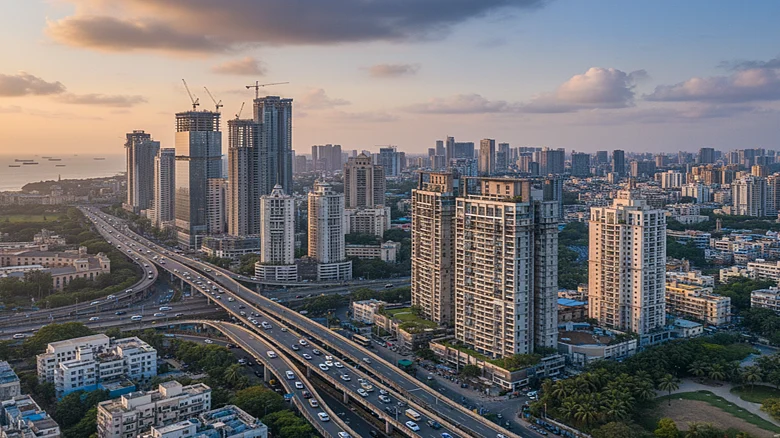
Mumbai’s longstanding housing affordability challenges are not just a matter of high property prices; they reflect deeper structural constraints facing India’s financial capital.
Limited land availability, escalating costs and outdated development approaches will have to be tackled for a more holistic, policy-driven solution if the city has to deliver affordable homes at scale, according to senior officials of the state housing development authority.

Sanjeev Jaiswal, vice-president and CEO of Maharashtra Housing and Area Development Authority (MHADA), outlined a multi-pronged strategy focused on cluster redevelopment and reforming key housing policies at the ET Realty Real Estate Conclave in Mumbai.
He said Mumbai’s affordability index stands at nearly 50 per cent, meaning that a middle-income family would need about half of its earnings to service a mortgage. This puts enormous pressure on middle- and lower-income households and undermines the need for solutions that ease pricing pressures.

He said cluster redevelopment which involves moving away from isolated, building-by-building redevelopment to coordinated renewal of larger parcels of land is the way forward. He said nearly 90 per cent of Mumbai’s developable land has already been utilised, and MHADA is opening up between 800 and 1,000 acres for cluster redevelopment projects. These sites will be planned as integrated layouts of 60–100 acres that can support infrastructure, open spaces, transport links and basic services, essentially creating small townships within the city, he added.
Cluster redevelopment reflects a broader shift in urban planning, from fragmented to comprehensive redevelopment that improves liveability and expands housing supply. Under Maharashtra’s housing strategy, the state aims to build 2.8 million affordable homes in the Mumbai Metropolitan Region (MMR) by 2030, with MHADA directly contributing around 800,000 units through its schemes and partnerships, according to a report in the Economic Times.
Jaiswal further said that in the past two-and-a-half years, almost 50,000 homes have already been delivered, and 60-70 per cent of future supply will come from cluster redevelopment initiatives.
In addition to restructuring land use, policy reforms are critical to reducing the cost of developing affordable housing. Rationalising charges, such as premiums, development fees and taxes on affordable projects could reduce housing prices by up to 25 per cent. Such incentives, coupled with regulatory clarity, are aimed at making affordable segments more attractive for developers while protecting end buyers.
Jaiswal also emphasised the importance of expanding the notion of housing beyond ownership. With infrastructure projects emerging across the region, he said there is a growing need for diversified housing options, such as rental housing, student housing, hostels for working women and industrial housing to ensure a balanced market response and avoid the risk of oversupply in certain segments.





