

Summary of this article
NSE has launched Electronic Gold Receipts (EGRs), allowing gold to be traded in demat form on a regulated platform
EGRs represent physical gold stored in Sebi-accredited vaults and can be bought and sold like shares
Investors can trade in small quantities and also convert EGRs into physical gold if needed
Electronic Gold Receipts: Gold has always been more than just a metal in India; it is a symbol of security and a key part of every household's savings. Traditionally, people bought gold in the form of jewelry or coins to protect their wealth against inflation and economic uncertainty. However, storing physical gold comes with risks like theft and concerns about purity. To modernize this tradition, the National Stock Exchange (NSE) has launched a new way to invest that combines the safety of gold with the convenience of digital banking.
On May 4, 2026, the NSE officially started a new trading segment called Electronic Gold Receipts (EGRs). This initiative is designed to bring more transparency and trust to India’s massive gold market by moving it into a regulated, digital environment.
The exchange said the platform will help bridge the gap between physical gold and financial markets by offering a regulated and secure way to trade the metal.
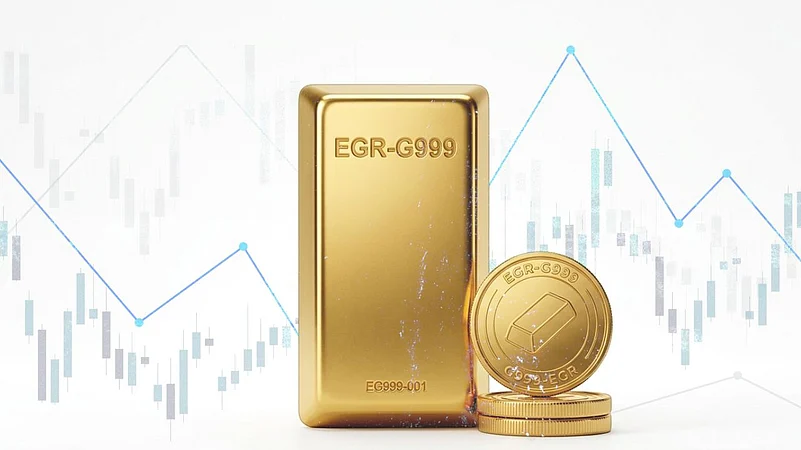
As part of the launch, NSE also demonstrated the conversion of a 1,000-gram gold bar into an electronic receipt, showing that physical gold can be turned into a tradable digital instrument within the regulated system.
Sriram Krishnan, chief business development officer at NSE, said, "We believe that by creating a seamless, secure, and digital pathway for gold investment, we are positioning gold as a modern, integrated asset class within our capital markets, ultimately reducing dependence on fragmented benchmarks and fostering deeper financial inclusion."
What are Electronic Gold Receipts
Electronic Gold Receipts are dematerialised securities that represent ownership of physical gold. The gold is stored in Securities and Exchange Board of India (Sebi)-accredited vaults, while investors hold the receipts in their demat accounts.
Each EGR is fully backed by physical gold, ensuring that the value is linked directly to the underlying metal.

How Electronic Gold Receipts work
Gold deposited with authorised vault managers is converted into electronic receipts and credited to an investor’s demat account. These receipts can then be traded on the exchange like stocks.
Before entering the system, the gold is checked for strict purity standards and stored securely in Sebi-accredited vaults.
This process removes the need to hold physical gold, reducing risks such as theft and quality concerns.
What EGRs Mean For Investors
EGRs allow investors buy and trade gold in small amounts, making it easier for retail investors to participate. This also improves liquidity and gives investors more flexibility, while adding gold as a useful diversifier in volatile times.
EGRs are expected to bring more participants into the gold ecosystem, including jewellers, refiners, traders and institutional investors, and also improve price discovery.
Since each EGR is backed by physical gold, investors can convert it into actual gold and take delivery if needed.
Frequently Asked Questions
1. What are Electronic Gold Receipts (EGRs)?
EGRs are digital securities that represent ownership of physical gold. The gold is stored in SEBI-accredited vaults, while investors hold the receipts in their demat accounts.
2. How can investors trade EGRs?
Investors can buy and sell EGRs through their trading and demat accounts on the NSE, just like shares. The receipts are credited electronically and can be traded easily on the exchange.
3. Can EGRs be converted into physical gold?
Yes, since each EGR is backed by physical gold, investors can choose to convert their holdings into actual gold and take delivery if they want.