Summary of this article
Gold prices have fallen nearly 29 per cent, from Rs 1.81 lakh to Rs 1.29 lakh
Stronger US dollar, rising bond yields and interest-rate expectations pressure gold prices
Weak physical demand and investor profit-booking have added to gold's decline
Indian gold prices depend on global rates, rupee movements and import costs
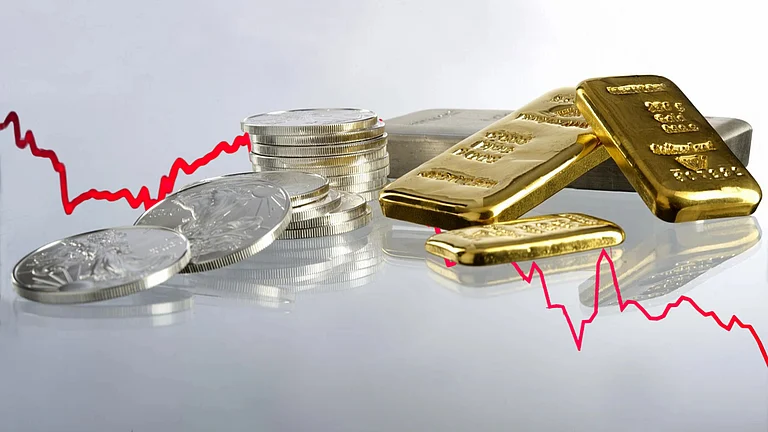
Gold has fallen from about Rs 1.81 lakh per 10 grams earlier this year to around Rs 1.29 lakh, a nearly 29 per cent drop. The decline has been sharp, though the latest move on the Multi Commodity Exchange (MCX) was small: December gold futures fell Rs 44 to Rs 1,29,770 per 10 grams on November 19.
A single day’s movement does not explain the wider fall. Gold prices have been under pressure as the US dollar has strengthened, bond yields have risen, and investors have reassessed the interest-rate outlook. Weak demand in the spot market has added to the pressure.
Why Gold Has Come Under Pressure
Gold does not pay interest. US bonds have become more attractive as yields climb. They pay interest; gold does not. The stronger dollar has also made gold more expensive for buyers using other currencies.
Expectations of further US interest rate hikes have reinforced these pressures. Investors have also been selling assets across markets, including precious metals, to manage losses elsewhere. After gold’s steep rally, some may be taking profits as well.
Physical demand is another part of the picture. When jewellery buyers and other spot-market participants hold back, it can add to the downward pressure. The reasons are different, but both investor selling and weaker physical buying can weigh on prices.
Why Indian Gold Rates Can Differ
Indian gold rates move with global prices, but they do not simply mirror them. The rupee’s value against the dollar matters because international gold is priced in dollars. Import costs and duties also feed into domestic prices, while local demand can influence what buyers pay.
The MCX price is one indicator of the market. Futures prices, international spot prices, and the rates quoted to retail buyers are not interchangeable. Jewellery bills also include making charges and taxes, so a lower gold rate may not reduce the final bill by the same amount.
What Buyers And Investors Should Keep In Mind
A fall in prices may interest jewellery buyers, but it is difficult to know whether prices have reached a low. Investors should consider the role gold plays in their portfolio before deciding whether to buy, sell or hold. Buying in stages spreads purchases over time, but it does not prevent losses if prices fall further.
US rate signals, the dollar, and bond yields will continue to matter. Geopolitical tensions, central-bank purchases, and the rupee’s movement may also affect prices. These forces can change, so the recent fall alone cannot show where gold will go next.
FAQs
Why have gold prices fallen?
A stronger US dollar, rising bond yields, and expectations of interest rate hikes have weighed on gold. Weak spot demand and investor selling have added to the pressure.
Why can gold prices in India differ from global prices?
Indian rates are affected by global prices and the rupee-dollar exchange rate, as well as import costs, duties, and local demand.
Is this a good time to buy gold?
It is difficult to know whether prices have bottomed out. Buyers and investors should consider their needs and time horizon; staggered purchases can spread the risk of buying at one price.