





Summary of this article
Fraudsters impersonate utility officials using fake KYC update calls.
Never share OTPs, PINs or banking details.
Verify outstanding bills through official utility provider channels.
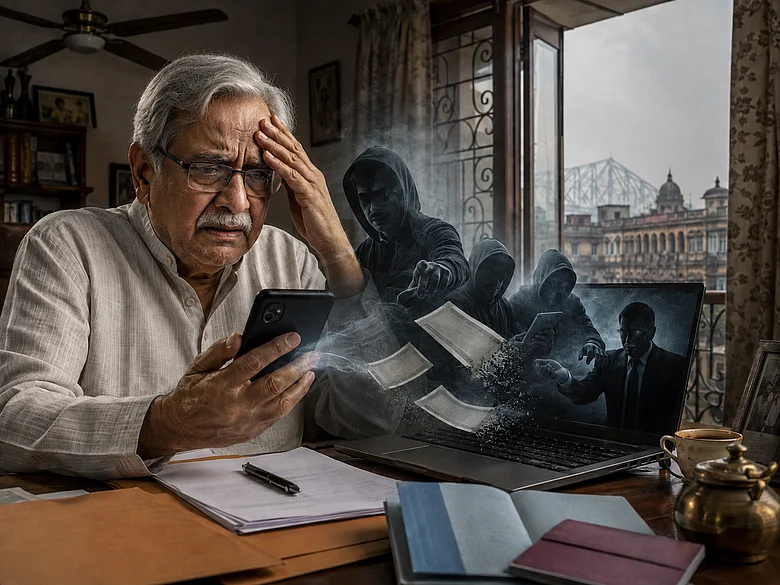
The State Bank of India (SBI) has warned consumers about a new electricity bill scam in its latest campaign. The fraud involves fraudsters impersonating officials from electricity, gas, water and other departments to steal personal information and money. Scammers are using fake KYC update calls, suspicious payment links and urgent messages to trick people into sharing sensitive banking details.

SBI issued the warning through its official X handle called Captain Y: Your Cyber Rakshak. The bank also shared a video explaining how fraudsters operate and what traps consumers should not fall into to stay protected from scams like these.
According to the post, scammers often contact consumers claiming that their utility bill payments are pending or that their Know Your Customer (KYC) details need to be updated immediately. They create this false urgency where the consumer feels burdened, and the fraudster may even threaten that their services will be disconnected immediately.
This sense of urgency is created to make people panic and follow instructions without having the time to think through the loopholes or have the time to verify whether the communication is genuine or not. Here are some key things consumers should never do to avoid becoming a victim of such frauds.
Act on links received from unknown numbers
Fraudsters may send links claiming that consumers need to clear their outstanding bills immediately. These links can lead to fraudulent websites designed to steal personal and financial information. Consumers should avoid clicking on links received from unknown numbers.
Share OTPs, PINs or details with anyone
Consumers should never disclose their sensitive information. Be it OTPs, ATM PINs, card verification values (CVVs) or any other credentials. Many times, scammers claiming to be in association with electricity departments would try to get these digits from consumers. Such details can be misused to access bank accounts or authorise unauthorised transactions.
Download unknown attachments from any unverified number
Scammers may ask consumers to download an application to complete a KYC update or resolve a billing issue. Ideally, no such reminder calls are made from any utility departments. Any unknown numbers providing attachments to such files can potentially expose devices and corrupt the device altogether. One should avoid downloading applications or attachments shared by unknown contacts.
Act under pressure from threats from such calls
A message claiming that electricity supply will be disconnected immediately because of an unpaid bill or an incomplete KYC can create panic. Fraudsters can exploit this fear in order to push consumers into making payments through unverified links. Instead of responding immediately, consumers should independently check their outstanding dues through the utility provider’s official website or customer care numbers.
Verifying their identity
A caller claiming to be an official does not mean that they actually represent the utility provider. Scammers can impersonate authorised personnel to gain trust and credibility. Before sharing information or making payments, verify the caller’s identity through official customer-care channels.
SBI has asked consumers to question unexpected calls or messages before they take any action. Its cyber-safety campaign encourages people to ask “why?” rather than blindly trusting the request that comes their way. Consumers should also check on a regular basis with their utility provider through official channels; this would make sure that they are aware of the process and the original channel of communication.