





Summary of this article
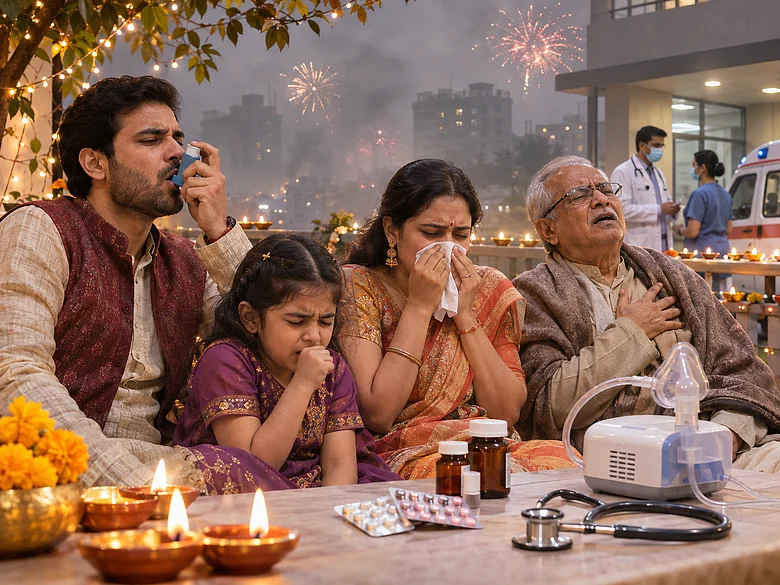
Diwali pollution increases respiratory illnesses, particularly among children and older adults
Severe air pollution can trigger asthma, bronchitis, and other respiratory problems
Pollution-related hospitalisation costs can exceed Rs 1 lakh in metro cities
Preventive measures and adequate health insurance can reduce financial risks
Anshul Mittal
In India, Diwali is considered one of the most cherished festivals, resonating with the celebration of light triumphing over darkness. While the spirit of Diwali remains deeply uplifting, the convergence of the festive time with the winter season, along with construction dust, air movement, among others, triggers a regular public health crisis across India.
Impact On Health
India routinely witnesses a surge in Air Quality Index (AQI) levels around October-November, with readings rising to “Severe” (400–500+) in several parts of the country. In metropolitan regions, such as Delhi-National Capital Region (Delhi-NCR), Mumbai, Kolkata and Lucknow, particulate matter accumulates rapidly when temperatures drop, and pollutants fail to disperse. For instance, many parts of Delhi have already recorded AQI levels above 400 in early November this year, driven by a combination of various factors, such as stubble burning, climatic conditions, and dense urban emissions.
These spikes have a direct impact on health, as hospitals typically see an increase in respiratory-related cases, including asthma, allergic rhinitis, and throat irritation, along with eye irritation cases during this time.
Last year, there were higher volumes of respiratory‑related claims among children below 10 years and adults above 45 years during this season. It clearly indicates that children, senior citizens and individuals with existing respiratory conditions are more vulnerable to the poor air quality impact.
Financial Implications Of Seasonal Illnesses
Poor air quality often leads to unexpected medical expenditure; for instance, one visit to a private clinic for the treatment of acute bronchitis or asthma may cost anywhere between Rs 1,000 and Rs 5,000, including consultation, diagnostics, and medication. Further, in case of hospitalisation, the medical bill can easily go beyond Rs 1 lakh in a metro city.
Strengthening Protection Through Preventive Health Measures
Taking preventive steps during this season can help mitigate risk. Here are some ways to do it.
Using N95 masks on high‑AQI days
Keeping windows closed during peak pollution hours
Ensuring inhalers and prescribed medicines are stocked
Scheduling preventive lung check‑ups
Using air purifiers or indoor ventilation optimally
Why Health Insurance Should Be A Part Of Your Festive Planning?
Every year, the Diwali list gets longer. Sweets to order, rangoli colours, new clothes, gifts for relatives, the annual house clean, and so on. Somewhere in all that, we rarely stop to ask a simple question: if someone in the family fell ill tomorrow, would we be ready?
Diwali is about light winning over darkness, and about the people we do all this for. We spend weeks making sure they are happy. Making sure they are protected is just as much a part of looking after them, and health insurance is one of the easiest ways to do it.
Think about what a hospital stay costs today. A sudden admission can eat into savings that took years to build, and the last thing a family needs while someone is recovering is a scramble for money. With a good policy in place, one can focus on getting one’s loved one better instead of worrying about the bill.
The festive season brings its own risks, too. The weather changes, pollution levels shoot up, and colds, coughs, and breathing problems become more common, especially for children and older parents. It’s a good reason not to put the decision off.
Today’s plans also do more than pay claims. Many include free health check-ups, wellness programmes, and rewards for staying active, so that one is encouraged to look after yourself before anything goes wrong.
So, this Diwali, along with the diyas and the mithai, take a few minutes to review your family’s cover. Of all the things we wish for our loved ones at this time of year, good health matters most.
As environmental patterns evolve and seasonal health risks become more pronounced, it is always a good idea to blend festive positivity with adequate health insurance protection to ensure you and your loved ones enjoy the season without worrying about medical expenses.
The author is joint president and appointed actuary, HDFC ERGO General Insurance.
(Disclaimer: Views expressed are the author’s own, and Outlook Money does not necessarily subscribe to them. Outlook Money shall not be responsible for any damage caused to any person/organisation directly or indirectly.)
FAQs
1. Does health insurance cover hospitalisation caused by Diwali pollution?
Yes, health insurance generally covers hospitalisation for pollution-related illnesses such as asthma and bronchitis, subject to policy terms, waiting periods, and exclusions.
2. How much can treatment for pollution-related respiratory illnesses cost?


A private clinic visit may cost Rs 1,000–5,000, while hospitalisation expenses can exceed Rs 1 lakh in metro cities.
3. How can families protect themselves from pollution-related health risks during Diwali?
Wear N95 masks on high-pollution days, limit outdoor exposure, keep prescribed medicines available, and review your family's health insurance coverage.





