

Summary of this article
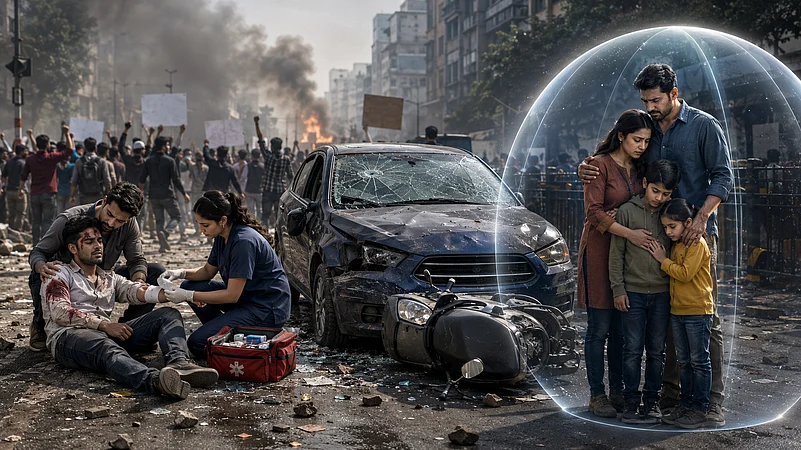
Health, term and motor insurance may cover protest-related injuries and damage
Claim approval depends on exclusions, policy conditions and innocent bystander status
Comprehensive motor insurance usually covers riots, vandalism, strikes and civil disturbances
FIRs, medical records, photographs and repair bills can strengthen insurance claims
The Cockroach Janta Party-led youth protest in Delhi raises questions about insurance protection during such events.
“Insurance protection can be provided, after a protest, riot, or civil disturbance, but the exact outcome depends on the policy type, features, the facts of the incident, and whether the person was an innocent victim or an active participant,” says Madhupam Krishna, Securities and Exchange Board of India (Sebi) registered investment advisor (RIA) and chief planner, WealthWisher Financial Planner and Advisors.
How Health, Term And Motor Policies Respond
Term life insurance pays the death benefit if the policy is active and the death is not linked to an exclusion or fraud. Deaths due to riots or terrorism are commonly covered. However, an insurer may investigate if the insured was actively participating in violence.
Health insurance may cover hospitalisation when an innocent bystander is injured by a stone, bullet or crowd-related incident. Claims may be blocked if the injury falls under exclusions relating to war-like events, unlawful acts or intentional self-endangerment.
“Damages caused by protest, riots and civil disturbances are usually covered under comprehensive motor insurance policies. Likewise, life insurance also pays out death benefits to nominees as long as the deceased was an innocent bystander and not involved,” says Abhishek Kumar, a Securities and Exchange Board of India (Sebi)-registered investment advisor (RIA), and founder and chief investment advisor of SahajMoney, a financial planning firm.
Comprehensive motor insurance generally covers riot, strike, vandalism or malicious damage to the insured vehicle. A parked car burnt during a riot may be covered, but a claim can be challenged if the vehicle was driven into a prohibited protest area during unlawful activity.
“Comprehensive motor insurance generally covers accidental damage to the insured vehicle caused by riot, strike, vandalism, or malicious damage, subject to the policy terms. The third-party cover protects against legal liability to others,” says Krishna.
Documents Can Decide The Claim
Policyholders should check exclusions, exceptions, extensions and add-on covers for terms such as riots, terrorism, sabotage, vandalism, civil commotion and malicious acts. Active participation in violence, illegal acts, deliberate loss, fraud and vehicle misuse are major red flags.
“Finally, health insurance plans usually cover medical hospitalisation and emergency treatments resulting from injuries sustained during such events provided the event is not explicitly categorised under an act of war or act of terrorism,” says Kumar.
The incident should be reported to the police immediately and an FIR or complaint copy obtained. Preserve photographs, videos, medical records, discharge summaries, repair estimates, bills, post-mortem reports and eyewitness accounts. For vehicle claims, inform the insurer and get a survey done before repairs wherever possible.
A paper trail can establish that the policyholder was an innocent victim.
FAQs
1. Does health insurance cover injuries sustained during a protest or riot?
Hospitalisation may be covered if the policyholder is an innocent victim, subject to exclusions for unlawful acts, war-like events or intentional self-endangerment.
2. Will motor insurance cover a vehicle damaged during a riot?
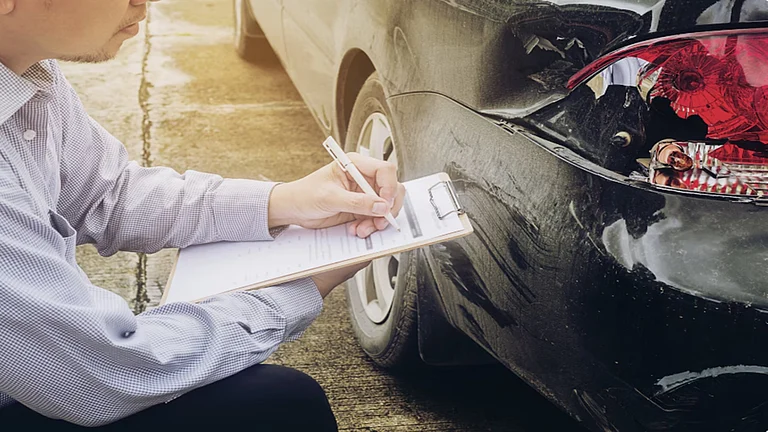



Comprehensive motor insurance generally covers damage caused by riots, strikes, vandalism or malicious acts. Third-party-only insurance does not cover damage to your own vehicle.
3. Which documents are needed for a riot-related insurance claim?
Policyholders should obtain an FIR or police complaint and preserve photographs, videos, medical records, repair estimates, bills and eyewitness evidence supporting the claim.