75.5 per cent Indians lack detailed retirement planning roadmap
Rs 28 lakh corpus falls short of Rs 1 crore goal
Rising healthcare costs deepen retirement savings and planning concerns
61 Per Cent Indians Expect Comfortable Retirement Despite No Detailed Financial Plan: Survey
Many Indians approaching retirement lack detailed financial plans even as healthcare inflation and longevity risks continue to rise

Summary
Advertisement
Most Indians approaching retirement have neither built adequate savings nor prepared a structured financial roadmap for life after work, even as many are confident about retiring comfortably, according to a recent survey by 1 Finance.
The study has found that 75.5 per cent lack a detailed retirement plan, while 76.9 per cent have never sought professional financial advice. Yet, 61.4 per cent without a proper plan still expect a financially secure retirement.
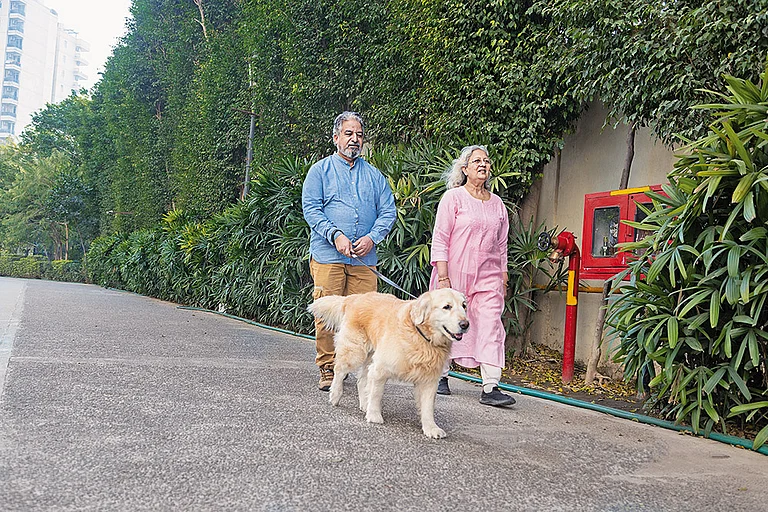
Savings shortfalls have been persistent among all income groups. The median retirement corpus is currently Rs 28 lakh, as compared to the target of Rs 1 crore, which translates to a shortfall of 3.6 times. The disparity has grown even greater for the higher income groups where the average retirement corpus is Rs 50 lakh while the targeted corpus is Rs 4 crore, translating into an 8x shortfall for the top 75th percentile, according to the survey report.
Advertisement
There is also a notable gap between metro and non-metro households. The target corpus amount for metro residents is around Rs 2 crore while for non-metro residents around Rs 52.5 lakh. This retirement savings gap has grown to 3.8 times, compared to 2.3 times difference in income among the two groups.
Retirement Still Seen As Lifestyle Goal
For many respondents, retirement is associated more with lifestyle aspirations, rather than financial readiness. Around 48 per cent have linked retirement with spending time with family, while 23.3 per cent associated it with rest and relaxation. Another 21.7 per cent viewed retirement as a phase for travel.
Only 24.5 per cent said they had a detailed retirement plan. Around 52.5 per cent described their planning as rough or basic, while another 23 per cent admitted they had no plan at all.
The findings have also highlighted uncertainty around fallback arrangements. Nearly one-fourth, or 24.3 per cent, said they had no backup option if retirement savings fell short. Around 21.2 per cent expected to rely on family and friends, while 19.1 per cent planned to depend on rental income or property. Another 18.9 per cent intended to use pensions or existing savings. Separately, the survey also found that 64.3 per cent overall plan to continue working after retirement.
Advertisement
Healthcare Costs And Longevity Risks Add Pressure
Healthcare has emerged as the biggest retirement concern, cited by 82 per cent. Medical inflation is currently estimated at 12-14 per cent annually, around two to three times higher than general inflation.
Many respondents underestimate how long retirement savings should last. Around 58.5 per cent think that their funds will run out before they reach 80, even though urban, upper-income Indians aged 60 could live another 22-24 years on average. Only 19.5 per cent have planned for retirement periods extending beyond 25 years.
Despite rising healthcare expenses, 59.7 per cent expect their overall expenses to decline after retirement. The report noted that a hospitalisation costing Rs 5 lakh today could rise to Rs 16-19 lakh in the next 20-25 years.
Savings Begin Late, FDs Remain Popular
Retirement savings have often started late for the respondents, with the median starting age standing at 39. Most participants have reported saving only 10-19 per cent of their annual income towards retirement.
Fixed deposits (FDs) and mutual funds (MFs) have emerged as the most commonly used retirement investment products, with 61.3 per cent investing in each. Gold and real estate followed at 47.3 per cent each, while only 22.7 per cent invested through the National Pension System (NPS).
Family and friends are the most common source of retirement-related financial guidance, used by 49.5 per cent. In comparison, only 18.6 per cent have consulted professional financial advisers.
Advertisement
FAQs
Why are many Indians falling short on retirement savings?
Many people start saving late, invest conservatively and save only 10-19 per cent of their income, creating a large gap between savings and retirement goals.What is the biggest retirement concern among Indians?
Healthcare costs have emerged as the top concern, with medical inflation estimated at 12-14 per cent annually, much higher than general inflation.How much retirement savings do Indians currently have?
The survey has found that the average retirement corpus stands at around Rs 28 lakh against a target retirement corpus of Rs 1 crore.
Show comments
Published At: