





Summary of this article
Private banks collected Rs 11,000 crore in penalties in three years
Public sector banks collected about Rs 8,000 crore in same period
Several PSU banks scrapped minimum balance penalties in recent years
The private sector banking system has collected more in penalties for the non-maintenance of the minimum balance in savings bank accounts compared to the public sector banks for the past three financial years.
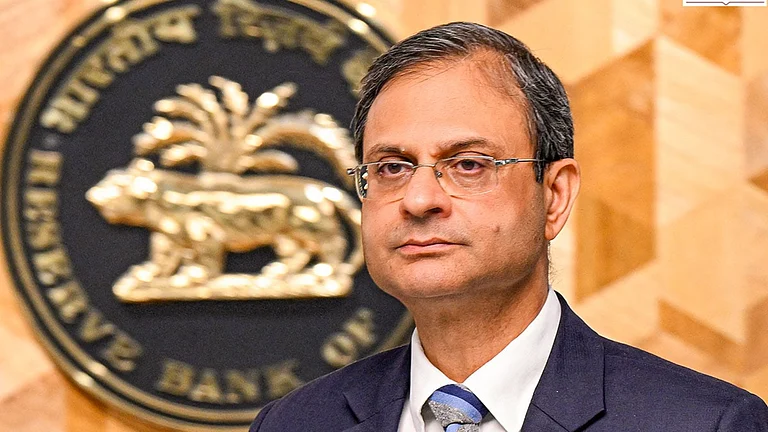
Private Lenders Lead In Penalty Collections
As per the data provided by the Finance Ministry in the Lok Sabha, it has been observed that private sector banks have collected around Rs 11,000 crore in penalties for the non-maintenance of the minimum balance in savings bank accounts from the financial year 2023 to the financial year 2025.
On the other hand, the public sector banking system has collected around Rs 8,000 crore in penalties for the non-maintenance of the minimum balance in savings bank accounts for the same period.
Penalties for the non-maintenance of the minimum balance in savings bank accounts are still a significant source of income for lenders.
Major Contributors Among Private Banks
As far as the private sector banking system is concerned, the largest contributor among the lenders in the form of penalties is HDFC Bank; it has collected more than Rs 3,800 crore in penalties for the non-maintenance of minimum balance. Axis Bank has collected more than Rs 2,700 crore in penalties, whereas ICICI Bank has collected more than Rs 1,200 crore.
Public Sector Banks Report Lower Collections
Public sector lenders also reported widespread collections, but the amount was less than that reported by the private sector lenders.
Punjab National Bank reported the highest amount collected in the country by any public sector lender. The amount collected was more than Rs 1,500 crore over the three years. Bank of Baroda reported the second-highest amount collected over the three years, with the total amount reaching up to Rs 1,200 crore. Indian Bank collected over Rs 1,100 crore.
The amount collected by the public sector lenders was less than the amount collected by the private sector lenders because the policy changes were implemented in recent years. The State Bank of India waived the penalties for non-maintenance of the minimum balance in the savings accounts in March 2020.
Other public sector lenders also followed the same policy. Punjab National Bank and Canara Bank waived the penalties for non-maintenance of the minimum balance in the savings accounts. The penalties are levied in certain current accounts.
Minimum Balance Rules And Exemptions
The minimum balance rules are still implemented in the savings accounts by many private sector lenders, as the Reserve Bank of India (RBI) had mandated that private banks can choose to keep charging penalties for non-maintenance of minimum balance, as this is not within RBI's direct regulatory control.
HDFC Bank is one such bank where the customers are required to maintain a monthly average balance (MAB) in savings accounts. The average monthly balance required in the metro and urban branches is Rs 10,000. Alternatively, the customers are required to maintain a fixed deposit of Rs 1 lakh for a minimum tenure of one year and one day.
The average monthly balance requirement in the semi-urban branches is Rs 5,000 or a fixed deposit of Rs 50,000. The average monthly balance requirement in the rural branches is Rs 2,500 or a fixed deposit of Rs 25,000.
The penalties are levied on the customers based on the shortfall in the average monthly balances. The penalty is 6 per cent of the shortfall or Rs 600, whichever is lower.




However, at the same time, there are certain accounts which are not covered under such penalties. Basic savings bank deposit accounts, including accounts under the Pradhan Mantri Jan Dhan Yojana (PMJDY) scheme, do not require the maintenance of a minimum balance. Around 72 crores of such accounts are not covered under the penalties.
According to the guidelines set by RBI, the banks are allowed to impose such charges on the accounts eligible for the scheme in accordance with the policies approved by the boards. The banks are also required to inform the customers regarding the maintenance of the minimum balance and allow time for the maintenance of the minimum balance.





