

Summary of this article
Calcutta High Court says accident compensation recovery requires hearing vehicle owner first
Insurers cannot claim policy breach recovery without notice, evidence, fair procedure
Court raised accident compensation from Rs 4.7 lakh to Rs 5 lakh
Ruling balances victim compensation rights with policyholder fairness in motor insurance
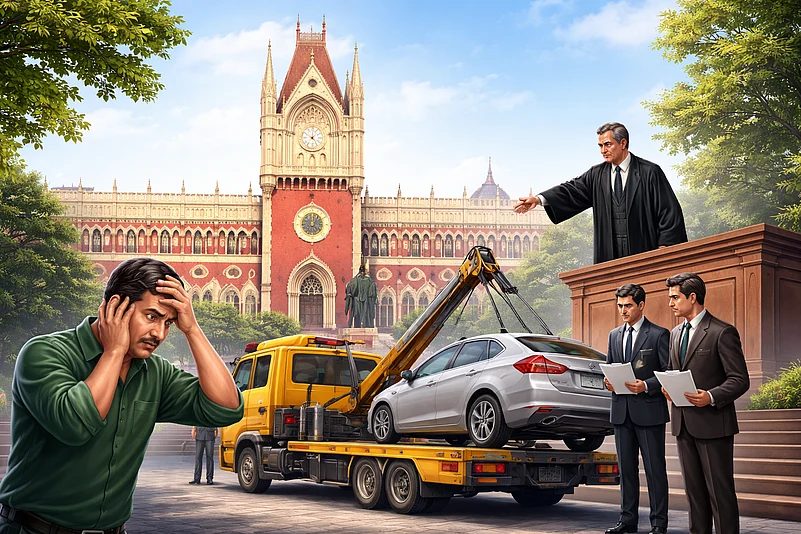
An insurance company cannot recover accident compensation from a vehicle owner without first giving them a chance to explain their position on an alleged policy breach, the Calcutta High Court has ruled in a recent case. The high court said that recovery cannot be treated as a routine follow-up after compensation is paid, adding that the basic principles of fairness must be followed.
The case stems from a road accident in Murshidabad in 2015 in which a truck hit a cyclist, causing fatal injuries. The Motor Accident Claims Tribunal ordered payment of Rs 4.70 lakh along with interest to the victim’s family. The insurer paid the amount, but later argued that the truck driver did not have a valid transport licence. On that basis, it sought to recover the payout from the vehicle owner, claiming violation of policy terms.
The High Court did not accept the manner in which the recovery was being pursued.

1 April 2026
Get the latest issue of Outlook Money

Court Flags Lack Of Proper Procedure
The judges observed that before seeking recovery from the insured, the insurer must put the allegation to the vehicle owner and allow them to respond. Liability cannot be imposed in their absence. Questions such as whether the driver’s licence was actually invalid, whether the owner exercised reasonable care, or whether there were mitigating factors required proper examination, the judges said, according to a report by LiveLaw.
The court also noted that the motor accident compensation law has a social purpose, ensuring that victims or their dependents receive timely financial relief. However, that objective does not permit insurers to bypass procedural safeguards while dealing with policyholders.
In essence, the court stressed that fairness must extend to both sides: compensation for victims should not be delayed, but insured parties should not face recovery action without being heard.
What The Ruling Means In Practice
While deciding the case, the High Court raised the compensation to Rs 5,00,000 with interest. It did not shut the door on recovery altogether. Instead, it clarified that the insurer may pursue recovery only after issuing proper notice, presenting evidence, and allowing the vehicle owner to contest the allegation.
The court also asked that its observations be circulated among motor accident claims tribunals and district judges. This is expected to guide similar cases where insurers seek to recover compensation after alleging policy violations.
For vehicle owners, the ruling is likely to bring some reassurance. It makes clear that insurers cannot first settle a compensation claim and then turn around to recover the money from the insured without proper notice and an opportunity to respond.
From the insurers’ side, the judgment underlines the need for careful groundwork before seeking recovery. Any allegation of policy breach must be backed by evidence, proper verification, and communication with the policyholder, otherwise recovery efforts may not stand up in court.
More broadly, the order reflects the approach courts often take in motor accident matters, ensuring victims receive compensation without unnecessary hurdles, while also making sure policyholders are not held financially liable without a fair hearing.