





Summary of this article
India's 10-year G-sec yield fell to 6.92 per cent as investor sentiment improved
Yields fell on RBI's rate decision, ceasefire in West Asia
Indian bonds recovered slightly on April 8, 2026, with the 10-year benchmark yield falling below 7 per cent, after reports of a likely ceasefire in the US-Iran war. Bond yields also improved as the Reserve Bank of India’s (RBI’s) monetary policy committee (MPC) decided to keep the repo rate unchanged at 5.25 per cent and maintained the policy stance at "neutral".
The 10-year benchmark government security (G-sec) yield fell below 6.91 per cent during the session, recovering over 1.70 per cent from the previous session. The 10-year yield had risen as high as 7.07 per cent on April 7, the highest level seen since the end of February 2024.
Market sentiment improved after reports of a ceasefire between the US and Iran, which also led to sharp correction in crude oil prices. If there is a conclusive end to the war, bond yields are likely to improve further, as the risk of imported inflation for India will reduce. Brent crude oil prices recovered to $94.94 per barrel following the updates.
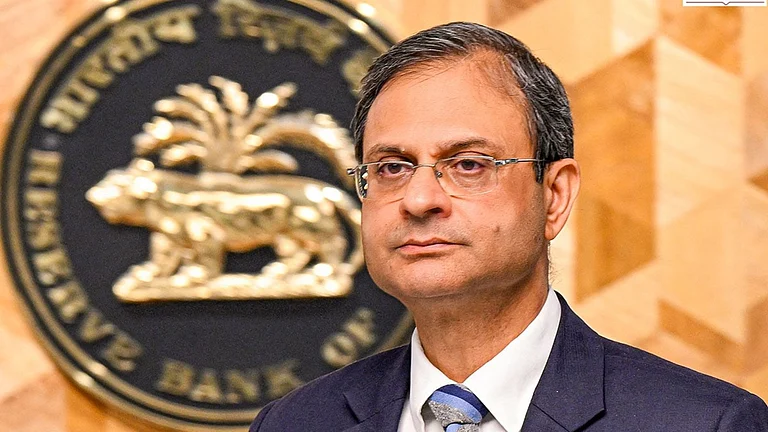
While delivering the monetary policy statement, RBI Governor Sanjay Malhotra pointed out the risks of a possible slowdown in the economy along with inflationary pressures if tensions in West Asia continue for a prolonged period.
The RBI also provided fresh projections on gross domestic product (GDP) growth and consumer price index (CPI) inflation for the current financial year. The RBI has forecast GDP growth to average at 6.90 per cent in FY27, with downside risks. Meanwhile, headline inflation is expected to average at 4.60 per cent in FY27, with pressure on the upside, due to increased energy prices and possible weather disturbances which could affect food prices.
Malhotra added that RBI will continue to monitor liquidity conditions and ensure sufficient liquidity in the banking system to check borrowing rates. Market participants also expect the RBI to further announce bond purchases through open market operations to support bond yields.

Experts have said that investors should reduce duration risks, opting for shorter tenure bonds which are providing higher yields without the risk of major capital losses.
“The 5- to 10-year maturity segment is particularly attractive for long-term investors seeking to lock in higher real rates during a policy pause. For those concerned about near-term volatility, short duration funds provide a safer way to navigate the current global uncertainty,” said Abhishek Kumar, a Securities and Exchange Board of India- registered investment advisor (Sebi-RIA).





