Summary of this article
LPG prices rise amid global supply pressures.
Saudi benchmark rates surge 46 per cent.
Ujjwala beneficiaries continue receiving subsidies.
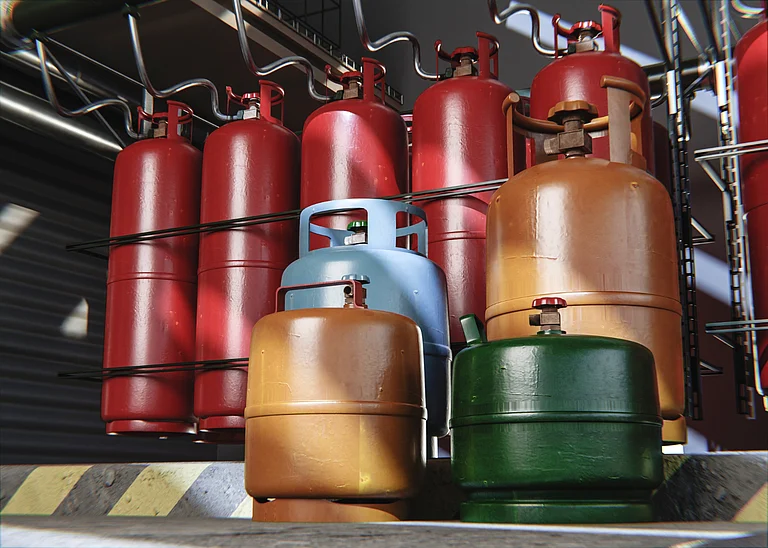
The Central government has defended the latest increase in the rates of domestic Liquefied Petroleum Gas (LPG). It is stated in a report by The Hindu that Indian households are paying the lowest for cooking gas as the rates of oil and gas continue to rise globally. Despite several global factors, Indians are paying at rates which are much less as compared to other countries impacted by the West Asia conflict. This clarification came after the price of the domestic LPG (weighing 14.2 kg) was increased by Rs 29, taking the price from Rs 913 to Rs 942.
Why Have LPG Prices Increased?
As per the Ministry of Petroleum and Natural Gas, the main reason behind this price rise is the significant increase in global LPG prices. India’s LPG import cost is linked directly to the Saudi Contract Price (CP). This serves as the international benchmark for LPG.
Since February 2026, the Saudi CP has increased by nearly 46 per cent. This is largely due to the geopolitical tensions that stemmed from the West Asian conflict in the Strait of Hormuz. The Strait of Hormuz is a critical route for global energy imports. This benchmark of the rates has increased from USD 543 per tonne before the crisis to nearly USD 790 per tonne in June 2026.
Impact of the West Asia Crisis
The conflict in West Asia has disrupted energy supplies from the Gulf region, which has resulted in a sharp rise in the LPG costs worldwide. More than half of India’s LPG imports pass through the Strait of Hormuz, which makes the country vulnerable to supply disruptions. Despite these challenges, the government claims that they have maintained an uninterrupted supply of LPG by diversifying imports from countries such as the United States, Canada, and Algeria.
Government’s Defence of the Price Hike
The government argues that the actual cost of supplying a domestic LPG cylinder has crossed Rs 1,600, while consumers are paying Rs 942. It is revealed that major public sector oil marketing companies and the government act as the main buffer between the consumers and the significant price rise. Officials say that even after the latest increase, Indian LPG prices remain lower than those in neighbouring countries.
Relief for Ujjwala Beneficiaries
In addition to the humble price rise, beneficiaries of the Pradhan Mantri Ujjwala Yojana (PMUY) continue to receive a subsidy of Rs 300 per cylinder on the first four refills each year. This means that the eligible households will pay Rs 642 per cylinder instead of Rs 942. This targeted subsidy continues to provide support for economically weaker families.
What It Means for Consumers
This latest hike is the second increase in domestic LPG prices in the last three months. The total increase in price of LPG this year has been of Rs 89 per cylinder. While the government makes sure that the consumers are protected from the immediate impact of global volatility. This increase would’ve added pressure on household budgets, which have been curbed.