





Summary of this article
Tejas Networks shares jumped over 30 per cent in two days after reports of successful D2M broadcasting trials
The trials reportedly showed D2M signals do not interfere with existing 4G and 5G networks
D2M technology enables content delivery directly to mobile phones without internet or mobile data
Shares of Tejas Networks, a leading telecom equipment manufacturer and part of the Tata Group, jumped over 30 per cent in just two sessions, extending its gain for the dourth consecutive session. On May 7, the Tata Group stock jumped close to 20 per cent to hit an intraday high of Rs 554.95 apiece on the NSE. As of 1:50 PM, the stock traded at Rs 533.50 per share, up 15.18 per cent from previous close.
Tejas Networks makes telecom and networking equipment used for broadband, wireless, and optical communication networks. Its products support 4G and 5G services, fiber broadband connections, and high-speed data transmission. In July 2021, Panatone Finvest, a subsidiary of Tata Sons, acquired a controlling stake in the company, making Tejas Networks a part of the Tata Group.
From its all-time high of Rs 1,495, Tajes Networks’ shares are still trading around 64 per cent below.
Why Tejas Networks Shares Are Rising
Tejas Networks shares rallied after a report said the company’s equipment successfully cleared lab and field trials for direct-to-mobile (D2M) broadcasting technology.
According to the Exchange4media report, the trials were conducted under the supervision of officials from the Ministry of Information and Broadcasting, Ministry of Electronics and Information Technology, and the Department of Telecommunications.
The tests checked whether D2M signals could work without affecting existing telecom networks. The report said the technology did not interfere with 2G, 3G, 4G, or 5G services. The trials also tested compatible devices such as smartphones, dongles, receivers, and home gateways.
The development boosted investor sentiment as Tejas Networks is seen as a potential beneficiary of India’s D2M rollout plans.

What Is Direct-to-Mobile (D2M) Technology
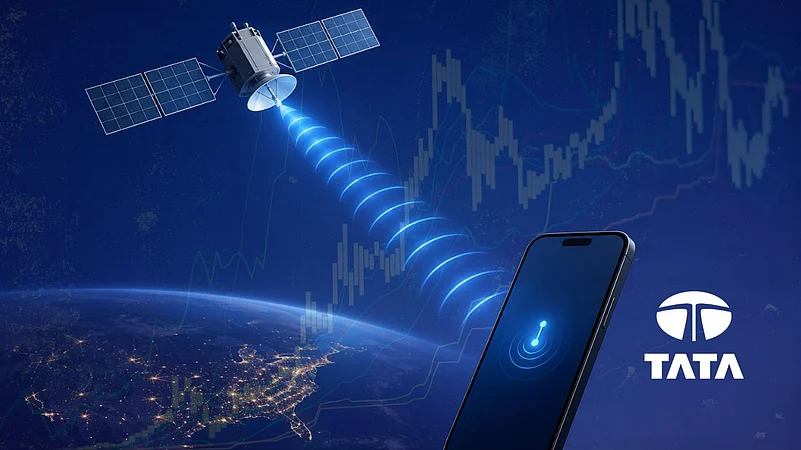
The D2M technology allows videos, audio, text messages, and other content to be sent directly to smartphones and other mobile devices without using mobile data or an internet connection.
In simple terms, D2M works like traditional TV broadcasting but for mobile phones. Instead of streaming content through the internet, the content is broadcast directly to compatible devices using dedicated airwaves.
The technology is being explored as a way to reduce network congestion, especially during large events or emergencies when mobile networks often become overloaded.
D2M can also help users access content in areas with weak internet connectivity. Apart from entertainment, the technology can be used for emergency alerts, educational content, public service messages, and live broadcasts.
It is being said that the technology believe D2M could make content delivery faster, more reliable, and less dependent on mobile data networks.
Which Countries Are Testing D2M Technology?
Globally, the technology is still at the trial and early deployment stage. India has emerged as one of the leading markets experimenting with large-scale D2M rollout.
Countries such as the United States, Mexico, and Canada are already testing the technology through pilot projects and trials.
In the US, companies such as Saankhya Labs and Sinclair Inc. are working together to develop low-cost devices that can support D2M broadcasting. The technology uses ATSC 3.0 standards to deliver content directly to mobile phones without internet.
Mexico and Canada are also conducting trials to study how D2M can improve mobile broadcasting and content delivery. These countries are testing the technology’s compatibility, performance, and large-scale deployment potential.
Frequently Asked Questions
1. Why are Tejas Networks shares rising?
Tejas Networks shares rallied after reports said the company’s D2M broadcasting equipment successfully cleared multi-ministry-backed lab and field trials.
2. What is Direct-to-Mobile (D2M) technology?
D2M is a technology that allows video, audio, and other content to be broadcast directly to smartphones without requiring internet or mobile data.
3. Why is D2M technology important?
D2M can help reduce mobile network congestion and improve content access in areas with weak internet connectivity. It can also be used for emergency alerts and live broadcasting.





