
India has begun the first phase of its flex-fuel infrastructure rollout, marking a significant shift from policy planning to large-scale execution in the country’s energy transition strategy.
Speaking at the launch of the Maruti Suzuki WagonR Flex Fuel in New Delhi, Union Petroleum and Natural Gas Minister Hardeep Singh Puri said India’s energy transition is now moving into an implementation-driven phase, with flex-fuel vehicles and ethanol blending at the centre of the strategy.
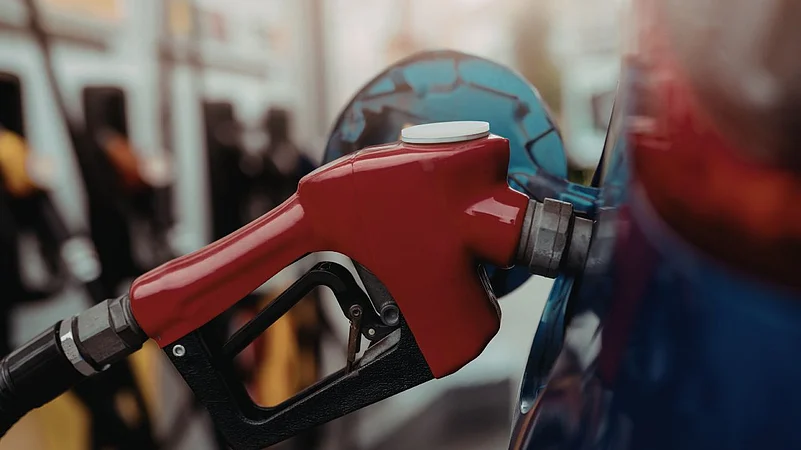
The first phase will include 50–100 flex-fuel dispensing stations across key urban corridors such as Delhi-NCR, Mumbai, Pune and Nagpur. This will be followed by an expansion to around 500 stations by the end of the year, and nearly 5,000 outlets across major cities in the next phase.
Flex-fuel vehicles can operate on petrol, ethanol (including up to 100 per cent ethanol), or any blend of the two.

“This is not merely a product launch. This is also the beginning of a new chapter in India’s energy transition,” Puri said.
He said India’s energy policy is guided by the three pillars of availability, affordability and sustainability, which have helped ensure fuel stability even amid global geopolitical uncertainties.
Highlighting India’s performance in managing fuel costs, the minister said India has recorded one of the lowest increases in fuel prices globally, ranking just after Japan among 193 countries in his assessment.
“In my calculation, India comes after Japan as the country which has the lowest increase in fuel prices amongst all the 193 countries in the world,” he said.
On the biofuel front, India has increased ethanol blending from less than 1.5 per cent in 2014 to 20 per cent achieved ahead of schedule, with further expansion targets underway.
The minister said wider adoption of flex-fuel vehicles could significantly accelerate this transition. If 50 per cent of new vehicles become flex-fuel compliant, India could generate 311.8 crore litres of additional ethanol demand, increase farmer income by Rs 12,403 crore, and reduce carbon emissions by 66.4 lakh tonnes.
“Since E85 has been identified as the monofuel standard for flex-fuel vehicles under BIS specifications, alongside a phased national rollout of flex-fuel vehicles across the segment, I think success is ensured,” he said.
The flex-fuel initiative is expected to strengthen linkages between agriculture, energy, and mobility, while also supporting rural income generation and cleaner transport.
With the rollout beginning across major urban corridors and a clear roadmap for expansion, India’s flex-fuel transition is now entering a phase of rapid infrastructure scaling and commercial adoption.