





Summary of this article
UIDAI has onboarded around 100 OVSEs in three months
Aadhaar offline verification enables consent-based, paperless identity checks
System reduces costs, improves speed, and limits data sharing
The Unique Identification Authority of India (UIDAI) has recently announced that almost 100 bodies have been registered as offline verification seeking entities (OVSEs) within three months of the implementation of the Aadhaar offline verification system in India. These entities were created to promote consent-based and paperless identity verifications.
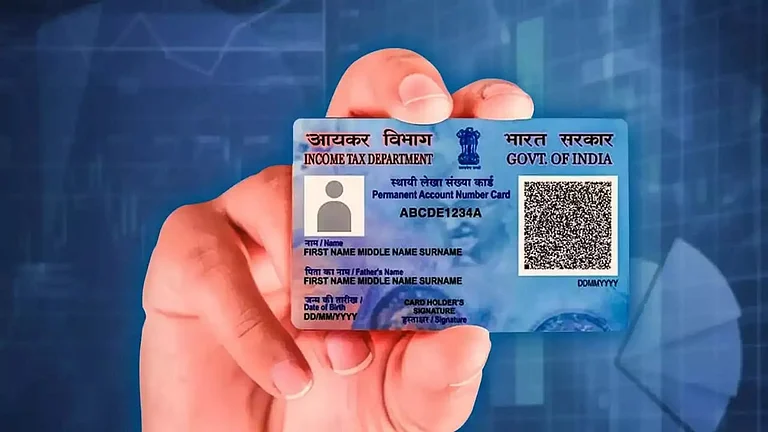
According to the press release of UIDAI, the onboarded OVSEs include government departments (both central and state), fintech companies, event management organisations, hospitality organisations, education and examinations-related organisations, and background verification services. Workforce validation companies and identity verification service providers have also been included.
Further Inclusion of Other Companies
Many conventional entities often rely on physical documents or manual verification processes, which can take more time and involve additional costs.
In Aadhaar-based offline verifications, OVSEs can verify identities using a QR code or by validating digitally signed documents.
These verification systems do not need real-time connectivity to UIDAI's central database. Instead, Aadhaar holders are required to provide restricted identity information in secure formats, which in turn is verified by OVSEs. This makes it possible to operate in areas where internet connection is limited.
Focusses on Consent and Data Minimisation
The Aadhaar offline verification system has been designed in such a way that individuals have control of their personal information. Users have the option of providing the bare minimum of information needed to complete a particular verification process.
This has been termed by UIDAI as a "show, share and verify" model, which is meant to restrict data exposure and improve transparency in identity verification. The system aims to resolve the issue of data over-gathering by providing selective information sharing.
For verifying digitally signed documents, OVSEs are required to strictly follow the protocols laid down by UIDAI. Besides, the entities must follow consent-based identity verification norms.
Impact on Service Delivery and Expenses
Integration of OVSEs in the Aadhaar offline verification process is expected to accelerate service delivery timelines. Since the verification does not need any kind of physical checking and documentation, the process becomes easier and fast.
The entities adopting such a system can save money spent on carrying out physical verification processes as well as the storage of identity documents. For example, for many sectors like hospitality, education, and financial services, such an offline identity verification method will come in handy.
Besides, the offline verification model is distributed, which provides resilience. Verification is not based on a central database connection, so it can still operate even when there is a break in connectivity.
Supporting DPI Framework
Development of the offline Aadhaar verification system is in line with UIDAI's digital infrastructure strategy of DPI, in which UIDAI is focusing on promoting digital infrastructures for delivering services.
UIDAI has also stated that the framework is scalable and flexible, and other entities can join in the long run. This may expand the number of paperless verification solutions in





