





Summary of this article
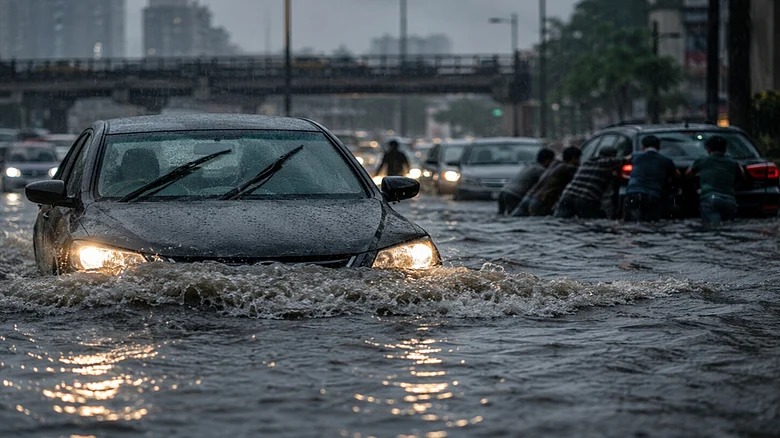
Every monsoon, social media fills with videos of stranded cars, flooded underpasses and vehicles being pushed through waist-deep water. For most drivers, the immediate concern is getting home safely. Car insurance is usually the last thing on their mind.
While a comprehensive motor insurance policy covers accidental damage, not every type of monsoon-related loss is automatically included.
Some situations may require specific add-on covers, which many vehicle owners either overlook or choose to skip while renewing their policy.
The rainy season has arrived. The first few drops are usually a welcome relief. The heat eases, the dust settles, and the city feels alive again. Then, almost overnight, familiar roads disappear under water.
Every monsoon, social media fills with videos of stranded cars, flooded underpasses and vehicles being pushed through waist-deep water. For most drivers, the immediate concern is getting home safely. Car insurance is usually the last thing on their mind, until the garage calls.
When Rohit drove through what appeared to be a shallow stretch of water during last year's rains, his SUV stalled within minutes. The mechanic later confirmed that water had entered the engine, causing extensive internal damage. The repair estimate crossed Rs 2 lakh.
Rohit assumed his comprehensive motor insurance would take care of it. It didn't. His policy did not include engine protection. That surprise is more common than many motorists realise.
Why The Monsoon Changes Your Insurance Risks
Monsoon brings a very different set of risks compared to the rest of the year. Waterlogging, poor visibility, fallen trees, damaged roads and unexpected breakdowns become everyday realities across many Indian cities. While a comprehensive motor insurance policy covers accidental damage, not every type of monsoon-related loss is automatically included. Some situations may require specific add-on covers, which many vehicle owners either overlook or choose to skip while renewing their policy.
Says Sanjiv Bajaj, joint chairman and managing director, Bajaj Capital: “The purpose of insurance is to prepare for risks that are difficult to predict, but expensive when they occur. Monsoon is one of those periods when certain risks become significantly higher. Spending a few minutes reviewing your policy before the season begins can help ensure your coverage remains aligned with how and where you drive.”
The Add-Ons That Deserve A Second Look
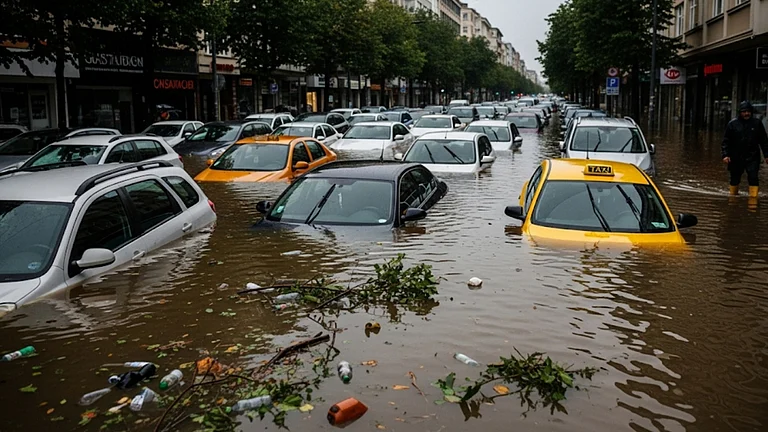
One of the most important monsoon add-ons is engine protection cover. Standard motor insurance policies generally do not cover consequential engine damage caused by water entering the engine after driving through flooded roads. Since engine repairs can cost anywhere from several thousand rupees to a few lakhs depending on the vehicle, this is often one of the biggest uncovered expenses motorists face during the rainy season.
Another useful option is roadside assistance.
Heavy rain increases the likelihood of breakdowns, battery failures, flat tyres and situations where towing becomes necessary. Emergency roadside assistance can arrange for help so drivers need not search for help in bad weather.
Zero depreciation cover, particularly for new cars, is also worth considering. During repairs, insurers normally apply depreciation on replaced parts. A zero depreciation add-on reduces or eliminates these deductions, helping lower the policyholder's out-of-pocket expenses.
Depending on the vehicle and driving pattern, motorists may also consider consumables cover, which helps pay for items such as engine oil, lubricants and nuts and bolts that are typically excluded from standard claims.
“The objective isn’t to buy every available add-on. Different drivers have different needs. Someone driving daily through flood-prone areas faces very different risks from someone who uses their car occasionally. Understanding those risks helps people choose protection that is relevant rather than simply opting for the lowest premium,” says Bajaj.
Things To Consider Before You Renew Your Insurance This Monsoon
The rainy season is also a useful reminder to review your insurance rather than automatically renewing last year’s policy.
Ask yourself a few simple questions.
Does your daily commute pass through waterlogging-prone roads?
Is your vehicle parked outdoors during heavy rains?
Is your car still new enough for zero depreciation cover to offer meaningful value?
Would you be comfortable paying a large engine repair bill yourself if water damage isn't covered?
These questions matter because insurance is not only about meeting a legal requirement. It is about understanding which risks you want to manage financially before they occur.
As India’s roads become busier and extreme weather events become more frequent, motor insurance is evolving beyond the basic policy that many motorists purchased years ago. The monsoon offers an opportunity to reassess whether that protection still matches today's realities.
After all, before every rainy season, most people remember to service their car, replace worn-out wipers and check their tyres. Reviewing the insurance policy deserves to be part of that same checklist.





