





Summary of this article
A Pune man earning Rs 90,000 monthly accumulated Rs 15 lakh debt burden over time.
Medical expenses, credit card dues and loans contributed to his growing debt spiral.
Vivek S G explained debt risks and suggested managing high-interest borrowings first.
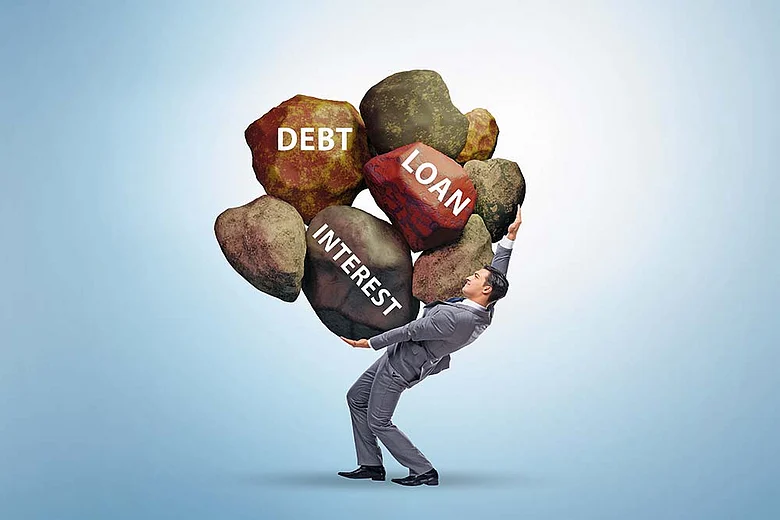
Debt is usually linked to overspending, but financial difficulties can also arise due to circumstances beyond an individual's control. A case shared on LinkedIn shows how such situations can affect personal finances over time.
Financial advisor Vivek S G shared a LinkedIn post on the case of a 36-year-old operations manager from Pune who earns Rs 90,000 a month but is now carrying a debt burden of around Rs 15 lakh. In the post, he explained that the individual did not make any reckless financial decisions, but a series of financial circumstances gradually increased his debt.
How One Loan Led to a Rs 15 Lakh Debt Spiral
According to him, the individual was earning Rs 90,000 per month three years ago and spending around Rs 82,000 on essential expenses. Although his monthly budget was tight, he was able to manage his finances.
However, an unexpected medical emergency changed his financial situation. His father required urgent surgery, which resulted in an expense of Rs 5 lakh. To arrange the funds, he opted for a personal loan at an interest rate of 14 per cent, adding an EMI of Rs 13,663 to his monthly commitments.
He said, “That single decision quietly broke his budget. His monthly outgo went from 82,000 to nearly Rs 96,000, against the same Rs 90,000 income. He was now short every month.”
As the gap between income and expenses continued, he turned to his credit card to manage routine costs such as groceries and fuel. Over the next year, the outstanding balance rose to Rs 4 lakh, while the card carried a minimum payment of Rs 20,000 and an interest rate of around 40 per cent.
With the debt burden increasing, he later took another loan of Rs 6 lakh to consolidate his existing dues. While by now his credit score had already taken a hit, which resulted in a higher interest rate of 18 per cent and an EMI of Rs 17,625.
Eventually, his total debt crossed Rs 15 lakh within two years. His monthly debt repayments alone reached Rs 51,000, accounting for nearly 57 per cent of his take-home income.
Vivek’s Advice on Managing Debt
Vivek described this situation as a debt spiral. He said, “This is how a debt spiral works. One loan adds an EMI, which shrinks your cash flow, which forces the next loan.” He highlighted that factors such as credit card interest rates of 35-40 per cent, late fees added to outstanding balances, and a falling credit score that makes future borrowing costlier can accelerate the debt cycle.
He advised borrowers whose monthly EMIs are already above 40 per cent of their take-home income to treat it as a warning sign. He suggested stopping new borrowing, listing all outstanding balances along with their interest rates, and focusing on clearing the highest-interest debt first.





