

Summary of this article
Health insurance can cover hospitalisation from common festival-related injuries
Personal accident insurance mainly covers accidental death and disability
Alcohol, unlawful activity, and specific exclusions may affect insurance claims
Prompt intimation and medical documents can prevent festival claim delays
Festivals bring crowded streets, firecrackers, elaborate lighting, late-night travel and large community gatherings. Amid the celebrations, an accidental burn, fall, road accident, or sudden bout of food poisoning can result in an unexpected hospital visit.
Such injuries are generally covered under health insurance when they require eligible treatment or hospitalisation. However, the amount paid and the claims process will depend on the policy terms, available sum insured, sub-limits and circumstances surrounding the incident.
“Festival injuries are not a separate category in insurance. A health policy can generally cover medically necessary hospitalisation expenses arising from burns, falls, road accidents, crowd-related injuries or acute food poisoning,” says Abhishek Bansal, CEO, insurance business, InsuranceDekho.
Health And Personal Accident Policies Work Differently
Health insurance typically pays for eligible medical expenses, including hospitalisation, day-care procedures and ambulance charges, where covered. Accidental injuries are also generally not subject to the initial waiting period applicable under many health plans.
“Injuries such as burns, fractures or the ones resulting from a fall or road accident are covered when they require eligible medical treatment or hospitalisation,” says Manish Dodeja, executive director and Chief Business Officer, Care Health Insurance.
Food poisoning may also be covered if it results in hospitalisation that meets the policy conditions. A minor injury treated at home or through an outpatient consultation may not be payable unless the policy specifically covers outpatient treatment.
Personal accident insurance serves a different purpose. It usually pays a defined benefit for accidental death or permanent disability. Temporary disability, fractures, burns, accidental hospitalisation and ambulance expenses are covered only if these benefits form part of the chosen plan.
Policyholders should therefore examine their policy schedule instead of assuming that every expense arising from an accident will be reimbursed.
Exclusions And Documentation Can Decide The Claim
Claims may be affected when an injury is linked to alcohol or substance abuse, intentional self-harm, unlawful activity or an excluded hazardous sport. However, ordinary carelessness should not automatically be treated as grounds for rejection. The insurer must consider the facts and identify the relevant policy exclusion.
“Negligence should not be treated as a blanket exclusion, and the insurer will assess whether a specific exclusion applies and whether it caused the loss,” says Bansal.
Treatment at a non-network hospital is also not automatically excluded. Cashless treatment may be unavailable, but the policyholder can ordinarily submit a reimbursement claim, subject to policy terms. Co-payments, room-rent limits and other sub-limits may nevertheless reduce the payable amount.
Following an accident, getting medical assistance must remain the first priority. The insurer or third-party administrator should then be informed within the stipulated period. Emergency hospitalisation generally needs to be reported within 24 hours.
“In case of an accident or sudden illness requiring hospitalisation, the first priority has to be to get medical attention and intimate the insurer within the timelines stipulated under the policy,” says Dodeja.
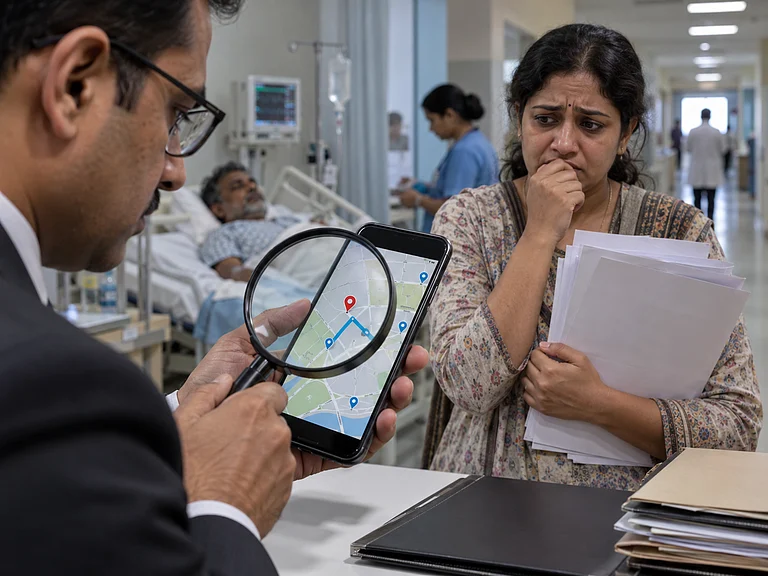
Policyholders should retain the admission note, prescriptions, diagnostic reports, itemised bills, receipts, discharge summary and indoor case papers. For road accidents or medico-legal cases, the insurer may also seek an FIR, medico-legal report, driving licence or vehicle documents. Keeping policy and e-card details accessible to family members can help prevent avoidable delays during an emergency.
FAQs
1. Does health insurance cover burns, falls and food poisoning during festivals?
Yes, eligible hospitalisation for accidental injuries and acute food poisoning is generally covered, subject to the policy terms, sum insured and applicable sub-limits.
2. Are injuries treated at non-network hospitals covered?
Treatment at a non-network hospital is not automatically excluded. Cashless settlement may be unavailable, but the policyholder can file a reimbursement claim.
3. Which documents are required for a festive injury claim?
Preserve hospital records, prescriptions, reports, itemised bills, receipts, and the discharge summary. Accident cases may also require an FIR or medico-legal report.