





Summary of this article
EAC Member Shamika Ravi said that financial literacy is a core life skill
Many Indians still perceive only part of the financial system with limited understanding, she said
Financial literacy is a core life skill for every individual, similar to swimming and driving, Shamika Ravi, member of the Economic Advisory Council to the Prime Minister, said. However, there still remains a significant gap in financial understanding in the population, even among highly educated professionals, she said.
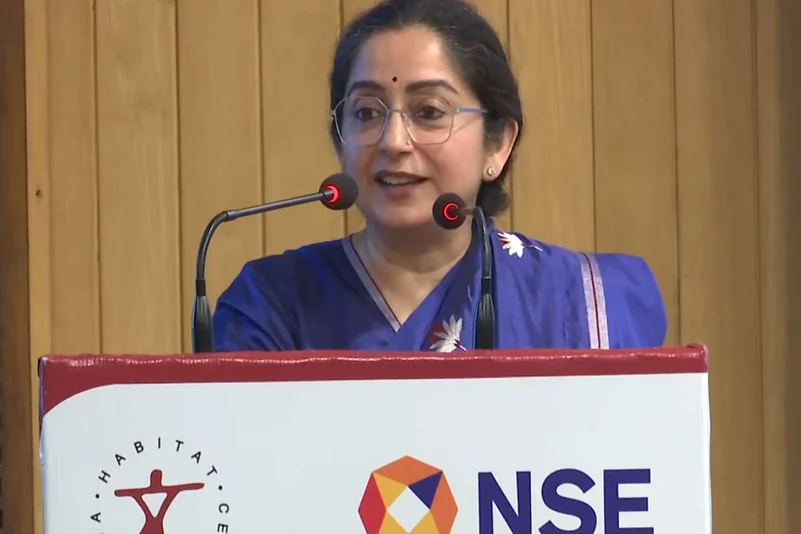
“Financial literacy is a core life skill; it’s like learning how to drive, like knowing how to swim. And of course, you can stay away from the water and perhaps hire a driver or use public transport if you are in a city like that. But how do you stay away from financial knowledge? It’s a part of your core assets you’re working hard to build,” Ravi said in her address at the inauguration of the NHE IHC Financial Literary Initiative on March 26.
Ravi highlighted the need for an institutional platform for individuals to learn about managing their finances and gain an understanding of the problem which has plagued the country and has been discussed for more than three decades now. She said that financial literacy remains a “non-tractable” challenge, noting that different segments of the financial system and the markets require different approaches to financial education.

Ravi said their financial understanding remains elusive even among highly educated professionals. She said that even among students who have the “smartest analytical minds” they often struggle with key concepts such as understanding the difference between flat interest rates and declining balance interest rates, while sharing her teaching experience at international business schools.
“They usually draw excellent salaries. You just give different ways of reporting a simple instrument, like let’s say a loan…you’ll be surprised, they falter at it,” Ravi said. She said that the state of financial literacy in the country is currently similar to the story of “the elephant and the six blind men”. She noted that different stakeholders perceive only part of the problem instead of understanding the financial system as a whole. Ravi said that many people lack the fundamental understanding of financial systems and the scope of different regulated entities.

Ravi noted that while digitisation has provided access to financial knowledge, understanding of sophisticated products still remains poor among the masses. Traditional assets like gold have remained an attractive investment option for many people despite the availability of other market products giving higher returns, she said. Ravi said that savings options for a large part of the population still remain through liquid assets such as jewellery or land.
“If savings have to be mobilised into investment, it has to go through the financial market,” she said.





