






Summary of this article
Gen Z spending could hit $12.4 trillion by 2036.
Gen Z may overtake Boomers by 2029.
Price, quality and convenience drive purchases.
Gen Z is on track to become one of the most powerful consumer groups in the global economy. The spending of this generation is expected to overtake Baby Boomers by 2029. While Gen Z is still young and currently spends less than older generations, its purchasing power is growing much faster, according to a report by NielsenIQ (NIQ) and World Data Lab.
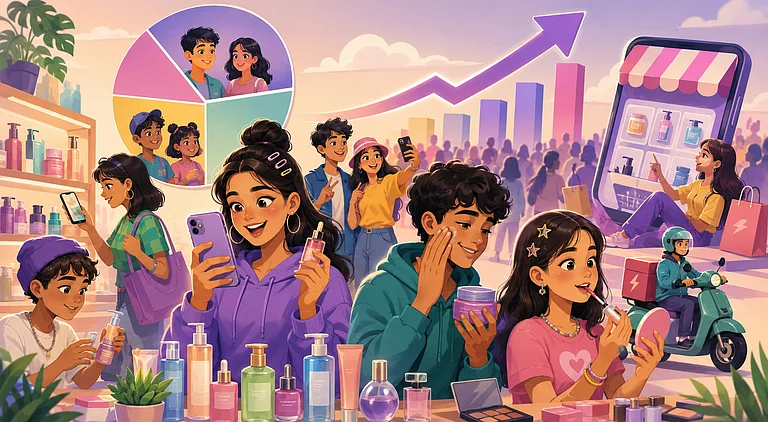
Titled A Tale of Two Consumers: The Polarised Mindsets Reshaping Global Consumption, the study was conducted across the US, the UK, Brazil, Saudi Arabia and China, and highlights how Gen Z’s global consumer spending will rise from $5.40 trillion in 2026 to $12.4 trillion by 2036. This represents a compounded annualised growth rate (CAGR) of 8.68 per cent, making Gen Z the fastest-growing generation in terms of spending. In comparison, boomer spending is expected to increase from $8.30 trillion in 2026 to $9.70 trillion in 2036. This is a much slower CAGR of 1.60 per cent. Gen X remains the largest generation for the near term, but Gen Z’s faster growth is expected to push past Boomers by 2029.

Why is Gen Z’s Spending Power Rising
One of the major factors is Gen Z’s transition into the prime earning and spending years. As more of Gen Z consumers are entering the workforce while also advancing professionally, they are also accumulating income. This would ensure their contribution to consumption rises. However, Gen Z’s importance goes beyond the amount they spend today. This generation is already influencing shopping behaviour, product discovery, and unique purchasing decisions.
With the digital ecosystem becoming more and more mainstream, Gen Z consumers prefer their shopping journeys to be online and reliant on social media, reviews and digital platforms when they decide on buying something.
However, it is not to be perceived that Gen Z will spend more just because their spending power has increased. The report highlights the concept of Say-Do Gap. According to it, Gen Z may place considerable importance on sustainability, authenticity, and values, but actual purchasing decisions are driven by more immediate factors, such as prices, quality, convenience, and cultural relevance. This makes Gen Z a value-conscious consumer group.
The report says that Gen Z is more likely to look for affordable options in categories, such as snacks, food, and beverage staples, personal care, and household essentials.
Incidentally, this is also forcing companies to rethink the traditional idea that consumers can be segmented just by age. According to the report, the bigger shift is behavioural. Consumers across generations are increasingly switching between premium and value purchases depending on the category, occasion, and perceived value. The report adds that for brands, this also means a way to strategise for the coming wave of consumers.





